

 English
 عربى
عربى


You receive a film specification from a US-based supplier that reads 48-gauge. Your production team in Yixing quotes the same material as 12 micron. Before you sign anything, you need to know whether both numbers describe the same film. They do, almost exactly. The relation between micron and gauge is simple: 1 micron is about 4 gauge, so a 48-gauge film is near 12 micron thick.
Both units measure the same physical property, the thickness of a plastic film. They exist because the packaging industry still runs on both metric and imperial habits. This guide explains the math behind the conversion, the practical effect of thickness on film performance, and what to check when you buy packaging film.
What Micron and Gauge Actually Measure
Micron and gauge are two units for film thickness, but they come from different measurement systems.
Micron: The Metric Unit
A micron is one-millionth of a meter, written as 1 micrometer or 1/1000 mm. In flexible packaging, film thickness usually falls between 10 and 100 micron. This unit is standard in China, Europe, and every other region that uses the metric system.
Gauge: The North American Convention
Gauge comes from the imperial system. In the US packaging industry, 100 gauge equals 1 mil, and 1 mil equals 0.001 inch. Since 1 inch is 25.4 mm, 1 mil is 25.4 micron. That makes 1 gauge equal to 0.254 micron.
When a buyer specifies a film, they might say "12 micron nylon/PE" or "48-gauge PA/PE." Both mean the same thing, but writing in micron removes the need for conversion between different suppliers.
Core relation: 1 micron is about 4 gauge. To convert gauge to micron, divide the gauge value by 4. To convert micron to gauge, multiply the micron value by 4.
The Exact Conversion Relationship
For quick estimates, the rule of four works well. For exact specifications, use these formulas.
- Gauge to micron: multiply gauge by 0.254, or divide by 3.937.
- Micron to gauge: multiply micron by 3.937, or divide by 0.254.
- Micron to mil: divide micron by 25.4.
- Gauge to mil: divide gauge by 100.
| Micron | Gauge (approx) | Mil |
|---|---|---|
| 10 | 40 | 0.39 |
| 15 | 60 | 0.59 |
| 20 | 80 | 0.79 |
| 25 | 100 | 0.98 |
| 30 | 120 | 1.18 |
| 50 | 200 | 1.97 |
| 80 | 315 | 3.15 |
| 100 | 394 | 3.94 |
Gauge values in the table are rounded. For a 100-micron film, the exact gauge is 393.7, not 400. Trade practice rounds to the nearest whole number, which is why a 100-micron film is often called 400-gauge.
Here is how these numbers appear in real packaging specs.
- A stretch film for pallet wrapping: 20 to 30 micron, often quoted as 80 to 120 gauge.
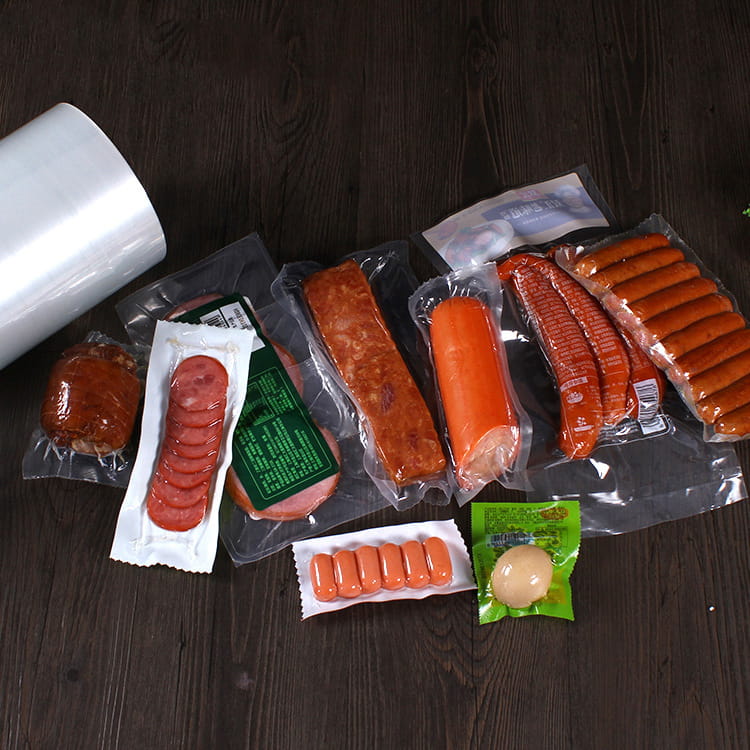
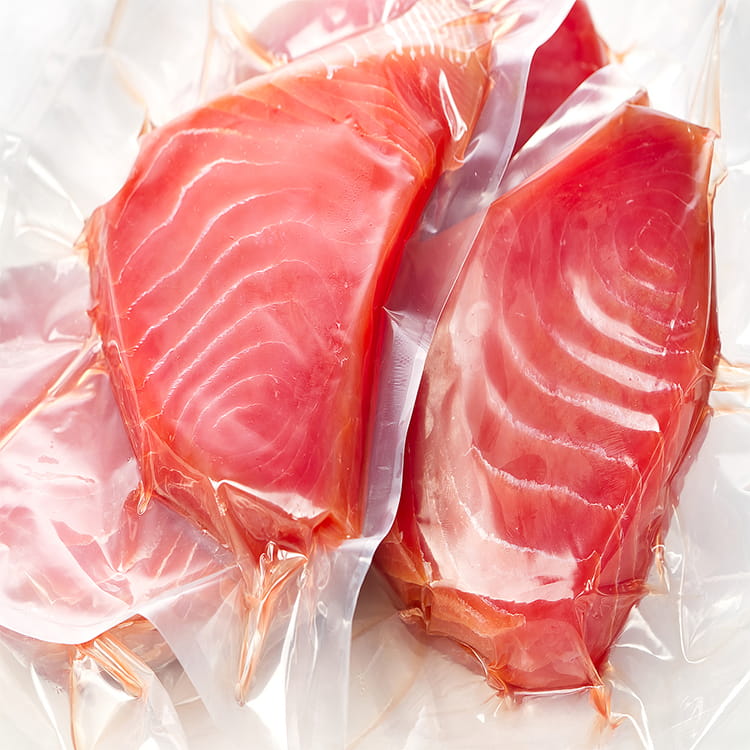
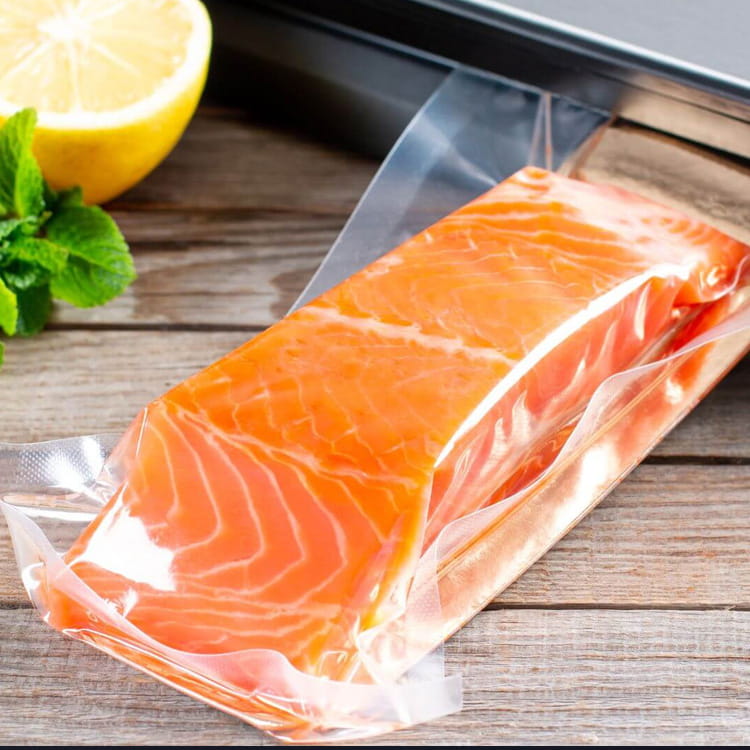
- A vacuum pouch for meat: 75 to 100 micron, often quoted as 300 to 400 gauge.
- A lidding film for dairy cups: 50 to 90 micron, often quoted as 200 to 350 gauge.
- A high-barrier film for nuts and dried fruit: 60 to 80 micron, often quoted as 240 to 315 gauge.
Why Film Thickness Drives Packaging Performance
Film thickness is not just a number on a datasheet. It directly affects the protective functions your product depends on.
- Oxygen barrier: A thicker film with functional layers such as EVOH suppresses oxygen transmission more effectively, extending the shelf life of meat, cheese, nuts, and other oxygen-sensitive foods.
- Moisture barrier: The water vapor transmission rate drops as thickness increases, protecting dry goods and electronics from humidity damage.
- Mechanical strength: Puncture resistance and tear strength improve with thickness, which matters for sharp-edged products like frozen meat bones or printed circuit boards.
- Sealing reliability: Heat seal strength depends on the sealing layer thickness. Too thin, and the seal may fail under vacuum pressure. Too thick, and sealing time and material cost increase.
For a 7-layer coextruded high-barrier film, total thickness typically falls between 60 and 100 micron. The EVOH layer inside may be only 5 to 15 micron, but it does most of the oxygen barrier work. Coextruded high-barrier films outperform standard pouches because each layer contributes a distinct function at a controlled thickness.
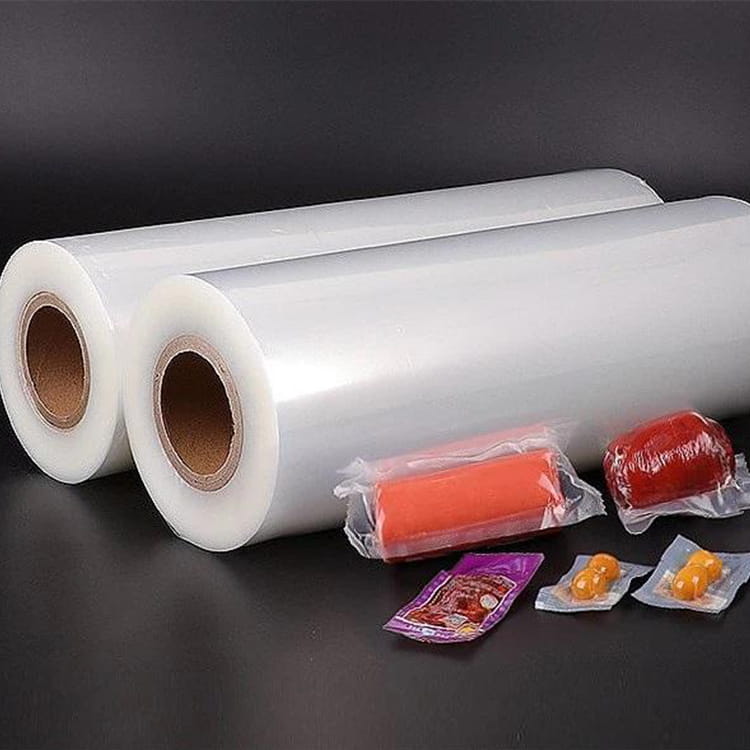
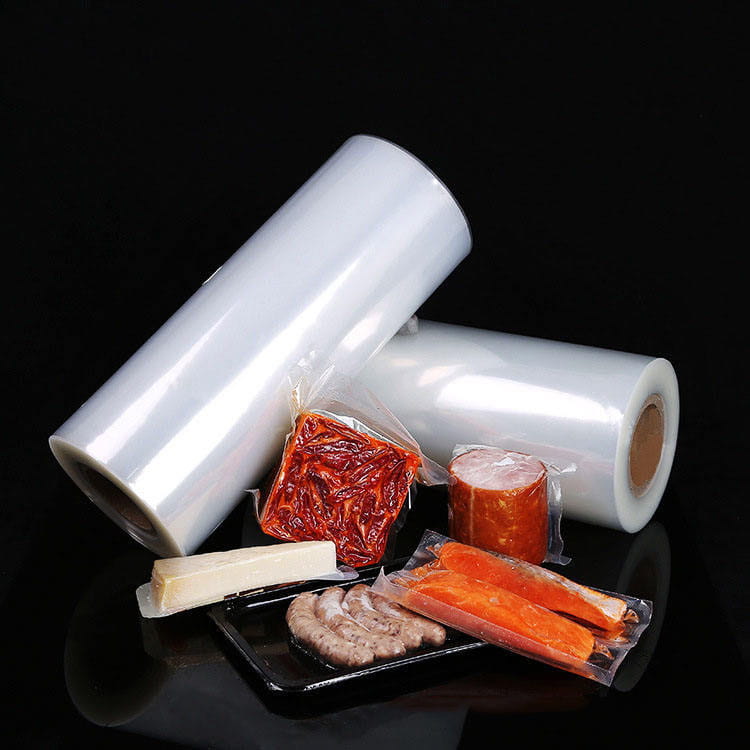
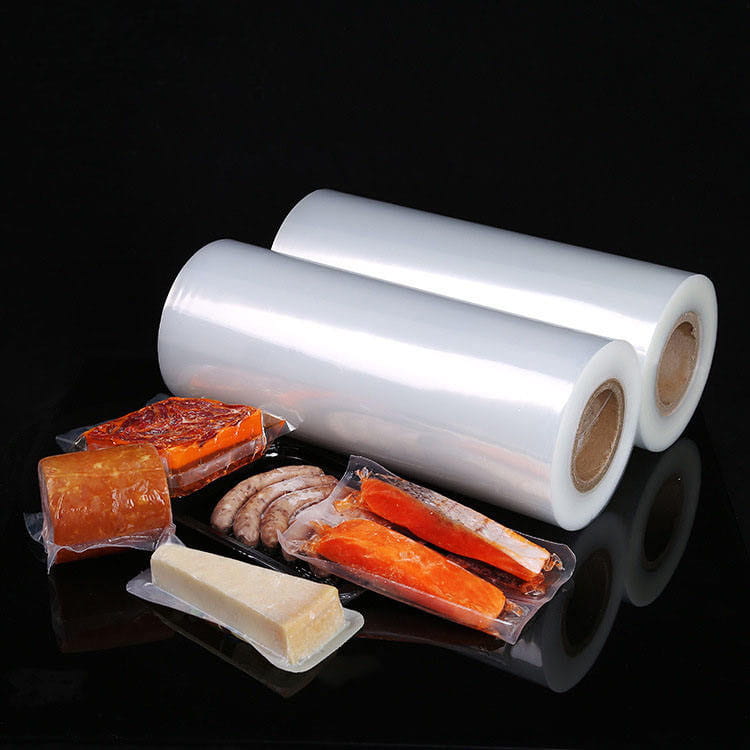
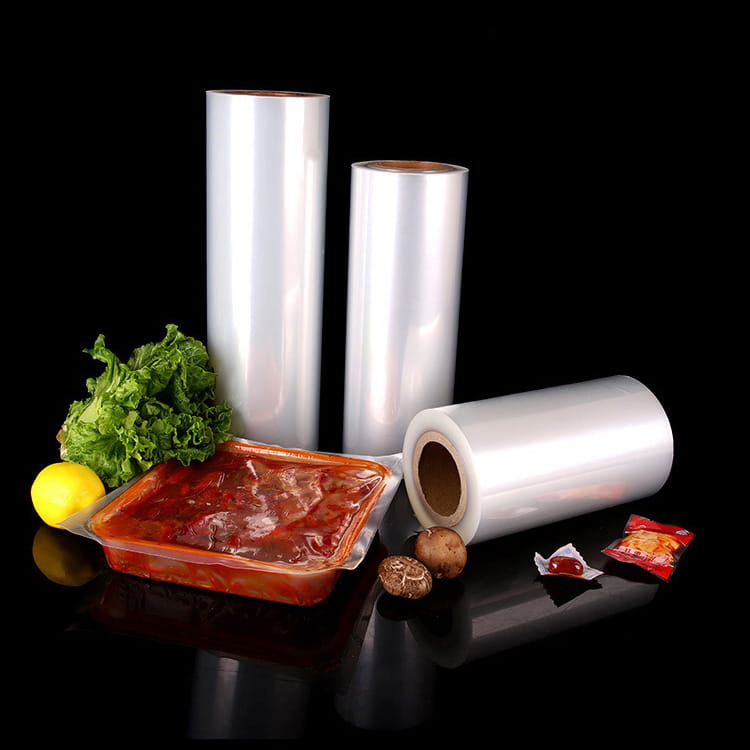
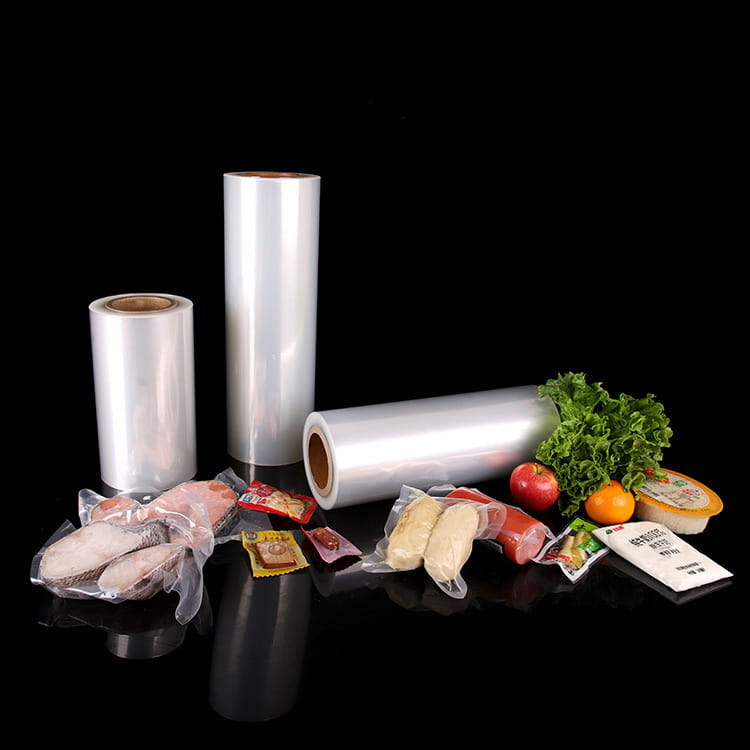
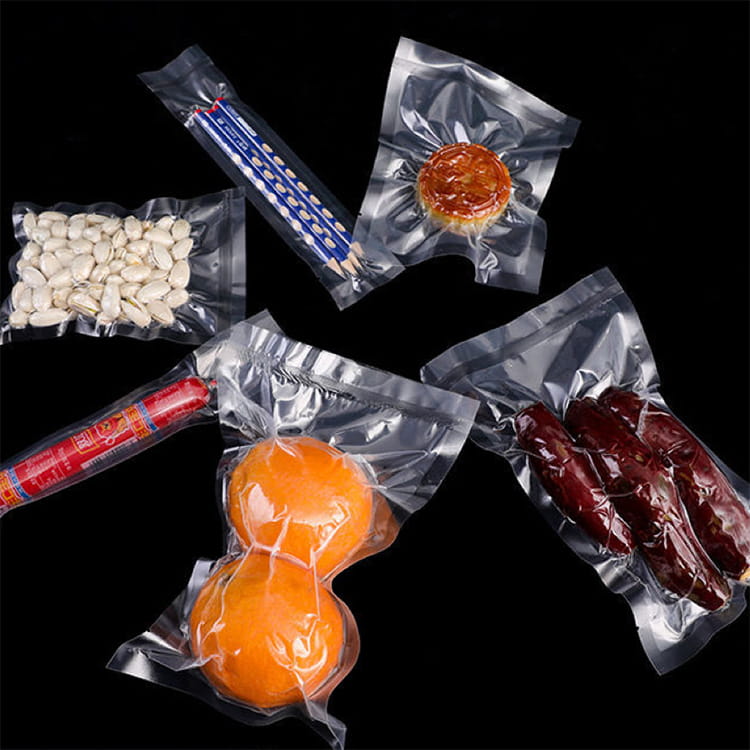 7-Layer Transparent Co-Extruded Film for Food PackagingThis multi-layer film combines PA, PE, PP, TIE, and EVOH to provide strong oxygen and moisture barriers, making it suitable for sensitive food items. Its transparency enhances product visibility while maintaining durability.View Product →
How to Apply This When Buying Packaging Film
When you compare quotes from suppliers in different regions, the unit mismatch is easy to miss. Here is a practical checklist.
- Request thickness in micron for international orders. It is the least ambiguous unit.
- If a US supplier quotes gauge, ask for the mil or micron value as well. This eliminates rounding errors.
- Confirm whether the thickness refers to the total film structure or a single functional layer, such as an EVOH barrier layer.
- For a cold-chain product that demands low-temperature sealing, choose a material like the 7-layer asymmetric PA/PE low-temperature film
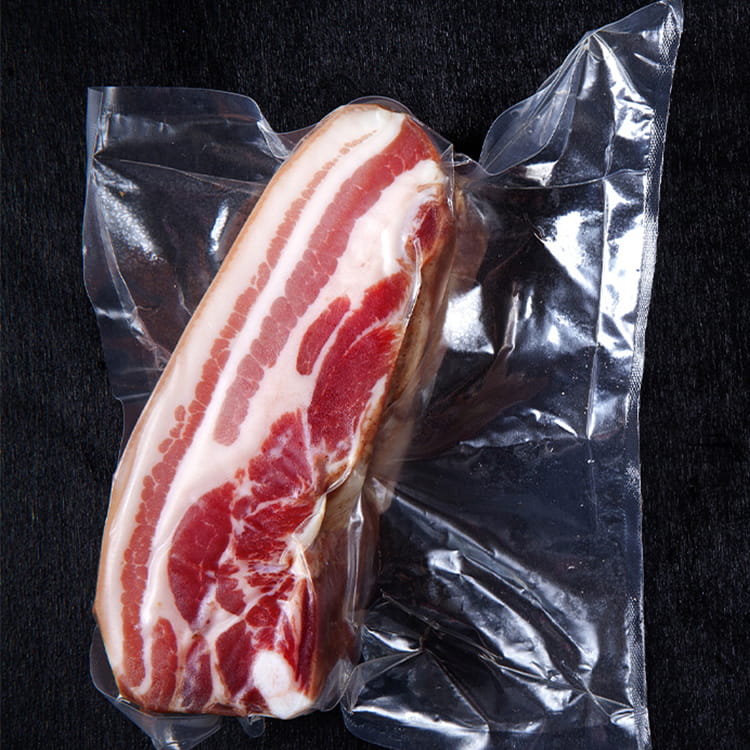 Heavy-Duty 7-Layer Vacuum Sealer Bag Roll with Puncture ResistanceDesigned for commercial and home vacuum sealing, this roll features a seven-layer structure with PA and PE for high barrier and low-temperature resistance. It protects meat, cheese, and other high-value foods from spoilage and freezer burn.View Product → and verify its working thickness range against your process.
 - Ask the supplier how film thickness changes during downstream processes such as lamination and printing, since some base films are designed for further conversion.
Thickness also drives cost. A thicker film uses more resin per square meter, which raises the price per roll. Balancing film thickness against required barrier performance is the core task of any packaging specification. A slightly thinner film with a well-designed barrier layer often costs less than a thick film with a weak barrier structure.
If your application needs a high oxygen barrier, understanding the specific layers in a 7-layer or 9-layer structure helps you judge whether the quoted thickness matches the performance you need.
Common Mistakes and Pitfalls
The relation between micron and gauge causes confusion in surprising ways. These are the errors buyers make most often.
- Confusing gauge with mil. A 100-gauge film is 1 mil, not 100 mil. This mistaken assumption inflates thickness expectations by a factor of 100.
- Using the divide-by-4 rule blindly. It is quick, but it is an approximation. For a 10-micron film, the exact gauge is 39.4, while the quick rule gives 40. A 1.5 percent error usually matters little, but for a tight barrier specification it does.
- Comparing thickness across different materials. A 60-gauge PA/PE film and a 60-gauge polyethylene film do not perform alike. Material composition determines barrier and strength far more than thickness alone.
- Assuming higher gauge always means better endurance. A thick film with an average resin blend can lose to a thinner coextruded film built with nylon and EVOH in the right positions.
Frequently Asked Questions
Q1: What is the formula to convert micron to gauge?
Multiply the micron value by 3.937 to get the exact gauge, or multiply by 4 for a quick estimate. A 25-micron film is approximately 100-gauge.
Q2: Is a 100-gauge film the same as a 25-micron film?
Yes, within a common rounding tolerance. 100 gauge equals 1 mil, and 1 mil equals 25.4 micron. The 0.4 micron difference is negligible for most packaging applications.
Q3: Why do US suppliers use gauge while other markets use micron?
The US packaging industry adopted the imperial system early, with mil and gauge as traditional thickness units. Most other regions standardized on the metric system, and micron became the norm for films. Both describe the same thing, only the scale differs.
Q4: What thickness should I choose for vacuum packaging meat?
For a vacuum pouch, total thickness between 70 and 100 micron is common. The exact value depends on the meat type, fat content, storage temperature, and required shelf life. A supplier of 9-layer coextruded high-barrier film can guide the selection based on your product and packaging equipment.
 9-Layer EVOH High-Barrier Forming Film for ThermoformingThis forming film uses a nine-layer structure with an EVOH core to block oxygen and moisture, extending shelf life for ready meals, meat, and produce. It supports efficient thermoforming and provides reliable heat seals.View Product →
Q5: Where can I find a reliable micron-to-gauge conversion reference?
Use the table in this article for quick reference, or ask your film supplier to provide thickness data in both units. A reputable supplier will confirm the exact specification for your application.
Key Takeaways
- Micron and gauge both measure film thickness. They are not the same scale, but they are directly convertible.
- 1 micron is about 4 gauge. 100 gauge equals 1 mil equals 25.4 micron.
- Use micron for international communication, and confirm gauge, mil, and micron in writing with US suppliers.
- Thickness is one factor among many. Material structure, layer sequence, and resin choice determine real-world performance.
- Total film thickness is more meaningful than a single layer thickness when evaluating barrier and durability.