

 English
 عربى
عربى


Introduction to High Barrier Vacuum Film
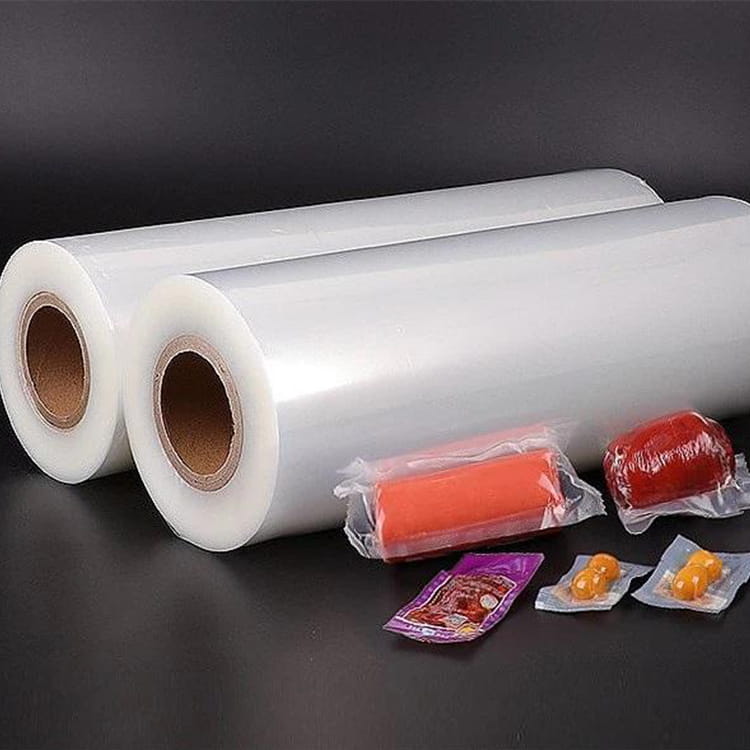
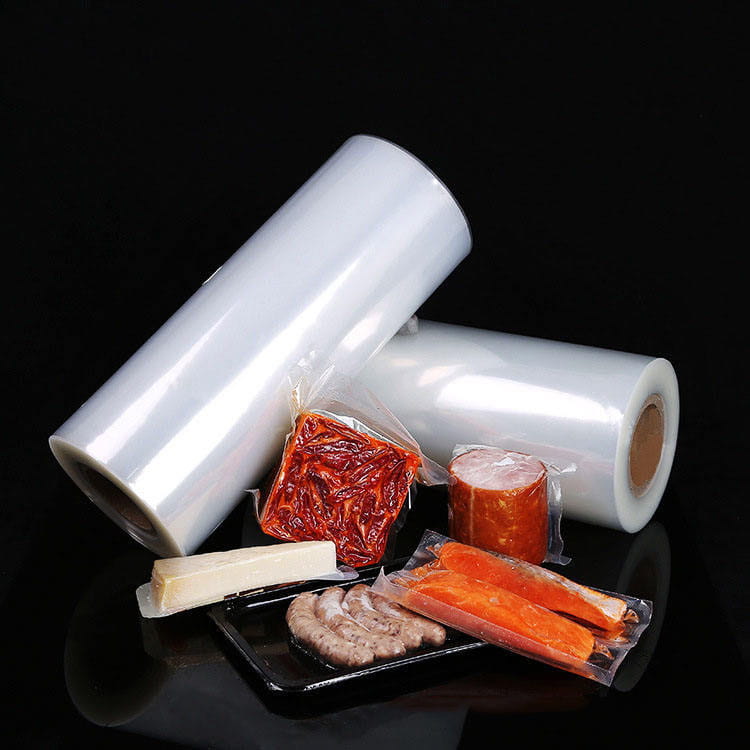
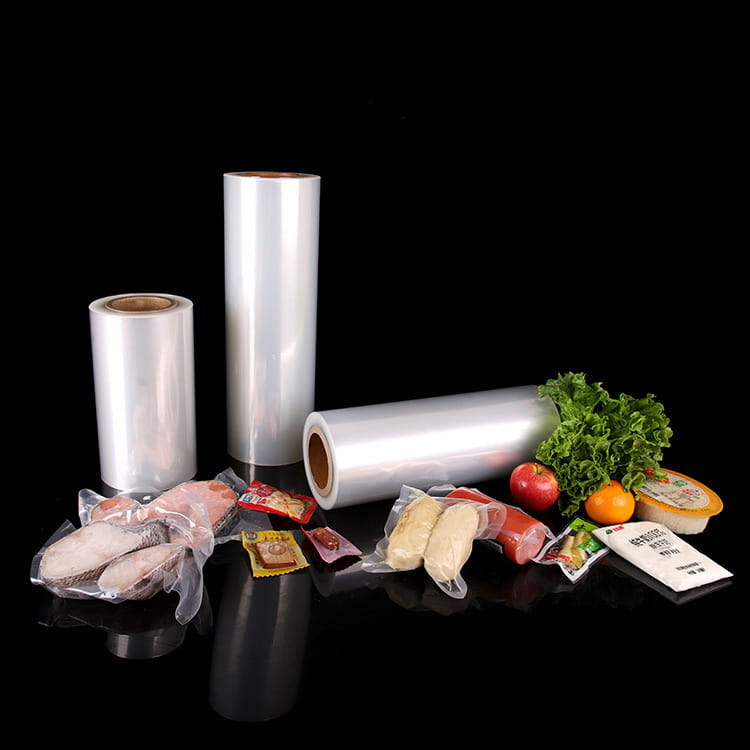
High barrier vacuum film is a core flexible packaging material widely used in food, pharmaceutical, electronic, and industrial product packaging fields. It is designed to block oxygen, water vapor, odor, light, and other external factors that cause product deterioration, effectively extending the shelf life and storage stability of packaged items. Unlike ordinary plastic films, high barrier vacuum film adopts a multi-layer co-extrusion or composite process, integrating materials with different functional properties into a single film structure to achieve comprehensive barrier performance and mechanical strength.
For industrial and commercial B2B buyers, the selection of high barrier vacuum film is not only based on basic packaging needs but also closely related to product storage cycle, transportation conditions, cost control, and compliance with industry standards. Among the mainstream products in the market, 7-layer and 9-layer co-extruded high barrier vacuum films are the most representative due to their balanced performance, stable production process, and wide applicability. These two types of films have clear hierarchical structures, and each layer undertakes unique functional responsibilities, jointly forming a high-performance packaging system.
The layer design of high barrier vacuum film follows the principle of functional complementarity. The outermost layer provides wear resistance and processing adaptability, the middle layer undertakes the core barrier function, and the innermost layer ensures sealing performance and food contact safety. Through precise ratio control and layer arrangement, the film can meet the strict packaging requirements of vacuum packaging, modified atmosphere packaging, and long-term storage scenarios.
In the global packaging industry, the demand for high barrier vacuum film is growing year by year. Driven by the development of the prepared food, meat processing, and medical device industries, multi-layer high barrier films have replaced single-layer films and become the preferred choice for professional packaging. Understanding the specific layer structure, material composition, and functional characteristics of 7-layer and 9-layer high barrier vacuum films is crucial for B2B buyers to make accurate purchasing decisions and optimize packaging solutions.
Core Characteristics and Performance Indicators of High Barrier Vacuum Film
Before analyzing the specific layers of 7-layer and 9-layer high barrier vacuum films, it is necessary to clarify the core performance indicators that define high barrier films. These indicators are the basis for evaluating film quality and are also key reference standards for B2B buyers in procurement.
Oxygen Barrier Property
Oxygen barrier property is the most critical indicator of high barrier vacuum film, which refers to the ability of the film to prevent oxygen penetration. For perishable products such as meat, seafood, and dairy products, oxygen is the main cause of oxidation and microbial reproduction. High-quality high barrier vacuum film has an oxygen transmission rate lower than 5 cm³/(m²·24h·0.1MPa) under standard test conditions, which can effectively inhibit the growth of aerobic bacteria and delay product deterioration.
Water Vapor Barrier Property
Water vapor barrier property determines the moisture retention and moisture resistance of the film. In food packaging, excessive water vapor penetration will lead to product drying, caking, or mildew; in pharmaceutical packaging, moisture will reduce the efficacy of drugs. The water vapor transmission rate of high barrier vacuum film is usually lower than 1 g/(m²·24h), ensuring the dryness and stability of packaged products in different humidity environments.
Mechanical Properties
Mechanical properties include tensile strength, elongation at break, puncture resistance, and impact resistance. Vacuum packaging needs to withstand the pressure difference during the vacuumizing process and the friction and collision during transportation. High barrier vacuum film has a tensile strength higher than 30 MPa and a puncture resistance higher than 10 N, avoiding breakage, air leakage, and damage during use.
Heat Sealing Performance
Heat sealing performance is the key to ensuring the airtightness of vacuum packaging. The film must form a firm, leak-proof seal at a suitable temperature, pressure, and time. High barrier vacuum film has a wide heat sealing temperature range of 110℃-150℃, with high sealing strength and no cracking or delamination, ensuring the long-term vacuum state of the package.
Chemical Stability and Safety
For food and pharmaceutical contact scenarios, high barrier vacuum film must comply with national and international safety standards, free of bisphenol A, plasticizers, and other harmful substances. At the same time, the film has good chemical stability, does not react with acidic, alkaline, or oily products, and maintains the original flavor and quality of the packaged items.
Detailed Layer Structure of 7-Layer High Barrier Vacuum Film
7-layer high barrier vacuum film is a mature and cost-effective product in the multi-layer barrier film market. It adopts a co-extrusion casting or blowing process, with a reasonable layer arrangement that balances barrier performance, mechanical strength, and production cost. It is suitable for medium-to-high barrier requirements in food, industrial, and daily chemical packaging. The following is a detailed introduction to each layer of the standard 7-layer high barrier vacuum film, including material composition, functional characteristics, and positional advantages.
For more professional parameters and customized solutions of 7-layer co-extruded barrier film, you can refer to 7-layer coextruded barrier film, which provides detailed technical support for B2B buyers.
Layer 1: Outer Protective Layer (Tough Polymer Material)
The first layer is the outermost layer of the film, directly contacting the external environment. The main material is polypropylene (PP) or high-density polyethylene (HDPE), with a thickness accounting for 15%-18% of the total film thickness. Its core functions are to provide wear resistance, scratch resistance, and high-temperature processing resistance, protecting the internal functional layers from damage during printing, slitting, and transportation. This layer also has good anti-static properties, reducing dust adsorption and ensuring the appearance quality of the packaged products.
Layer 2: First Bonding Layer (Adhesive Resin)
The second layer is a special adhesive resin layer, with a thickness ratio of 8%-10%. Since the materials of the outer protective layer and the middle barrier layer are incompatible, this bonding layer acts as a bridge to achieve tight bonding between adjacent layers, preventing delamination during stretching, folding, and vacuumizing. The adhesive resin has high bonding strength and good compatibility with both sides of the materials, ensuring the structural integrity of the entire film.
Layer 3: First Enhanced Barrier Layer (Barrier Polymer)
The third layer is the primary barrier layer of the 7-layer film, mainly made of ethylene-vinyl alcohol copolymer (EVOH), with a thickness ratio of 12%-15%. EVOH is a recognized high-barrier material with excellent oxygen and odor barrier properties, which can block more than 99% of oxygen penetration. This layer is the core of the film's barrier function, laying a foundation for the long-term preservation of packaged products.
Layer 4: Central Support Layer (Structural Polymer)
The fourth layer is the central layer of the 7-layer film, using linear low-density polyethylene (LLDPE) or polyamide (PA), with a thickness ratio of 20%-22%. As the support layer, it provides the main mechanical strength of the film, including tensile resistance and puncture resistance. At the same time, it isolates the two sides of the barrier layers, avoiding mutual interference and enhancing the overall stability of the film structure.
Layer 5: Second Enhanced Barrier Layer (Barrier Polymer)
The fifth layer is the supplementary barrier layer, also made of EVOH, with a thickness ratio of 12%-15%. The double EVOH barrier layer design further improves the oxygen and water vapor barrier performance of the film, making up for the possible defects of a single barrier layer. Compared with single-layer barrier films, the 7-layer film with double barrier layers has a 40% higher barrier effect and stronger stability.
Layer 6: Second Bonding Layer (Adhesive Resin)
The sixth layer is the second adhesive resin layer, with a thickness ratio of 8%-10%. Its function is consistent with the second layer, tightly bonding the second barrier layer and the inner sealing layer, ensuring no delamination under high-temperature heat sealing and low-temperature storage conditions. This layer has good low-temperature resistance and can maintain bonding performance in frozen storage environments below -18℃.
Layer 7: Inner Sealing Layer (Heat-Sealable Polymer)
The seventh layer is the innermost layer of the film, directly contacting the packaged product, made of food-grade low-density polyethylene (LDPE) or metallocene polyethylene (mPE), with a thickness ratio of 15%-18%. It has excellent heat sealing performance, low melting point, and high sealing strength, ensuring rapid and firm sealing during vacuum packaging. This layer is non-toxic, odorless, and complies with food contact safety standards, suitable for direct contact with meat, seafood, prepared food, and other products.
Summary of 7-Layer High Barrier Vacuum Film Advantages
- Balanced barrier performance and cost, suitable for mass procurement and large-scale application
- Double barrier layer design, stable oxygen and water vapor barrier effect
- Good mechanical properties, adaptable to vacuum packaging and frozen storage
- Wide processing adaptability, compatible with automatic packaging equipment
Detailed Layer Structure of 9-Layer High Barrier Vacuum Film
9-layer high barrier vacuum film is an upgraded product based on 7-layer film, with more refined layer design and more comprehensive functional configuration. It adds two auxiliary functional layers on the basis of 7 layers, further optimizing barrier performance, mechanical strength, and environmental adaptability. It is suitable for high-barrier demand scenarios such as high-end food, pharmaceutical, and precision electronic product packaging. The total thickness of the 9-layer film is slightly higher than that of the 7-layer film, with more uniform layer distribution and better performance stability.
Layer 1: Outer Wear-Resistant Layer (High-Strength Polymer)
The first layer is the outer wear-resistant layer, made of modified polypropylene (PP) or HDPE, with a thickness ratio of 12%-14%. Compared with the 7-layer film outer layer, it has enhanced wear resistance and UV resistance, suitable for long-term outdoor transportation and storage. It can resist UV radiation, prevent film aging and yellowing, and maintain performance stability in harsh environments.
Layer 2: First Bonding Layer (High-Adhesion Resin)
The second layer is a high-performance adhesive resin layer, with a thickness ratio of 7%-8%. It has stronger bonding force and can adapt to the bonding of different polymer materials, ensuring no delamination under extreme temperature differences (from -40℃ to 60℃).
Layer 3: First Anti-Penetration Layer (Polyamide Material)
The third layer is a unique anti-penetration layer of the 9-layer film, made of polyamide (PA) material, with a thickness ratio of 10%-12%. PA has excellent puncture resistance and oil resistance, which can block oil penetration and enhance the film's ability to resist sharp products. This layer is especially suitable for packaging bone-in meat, seafood with shells, and other sharp items.
Layer 4: Second Bonding Layer (Adhesive Resin)
The fourth layer is the second bonding layer, with a thickness ratio of 7%-8%, connecting the anti-penetration layer and the first barrier layer to ensure structural stability.
Layer 5: First Core Barrier Layer (High-Performance EVOH)
The fifth layer is the first core barrier layer, using high-purity EVOH material, with a thickness ratio of 13%-15%. It has ultra-high oxygen barrier properties, with an oxygen transmission rate lower than 2 cm³/(m²·24h·0.1MPa), meeting the ultra-high barrier requirements of pharmaceutical and high-end food packaging.
Layer 6: Central Balanced Layer (Stabilized Polymer)
The sixth layer is the central balanced layer, made of LLDPE, with a thickness ratio of 18%-20%. It provides the main structural support and balances the stress of each layer, preventing film deformation during stretching and vacuumizing. This layer has good flexibility and can adapt to deep-drawing vacuum packaging.
Layer 7: Second Core Barrier Layer (High-Performance EVOH)
The seventh layer is the second core barrier layer, also made of high-purity EVOH, with a thickness ratio of 13%-15%. The double high-concentration EVOH layer makes the film's barrier performance reach the industry-leading level, with a shelf life extension of more than 3 times compared with ordinary barrier films.
Layer 8: Third Bonding Layer (Adhesive Resin)
The eighth layer is the third bonding layer, with a thickness ratio of 7%-8%, ensuring tight bonding between the barrier layer and the inner layer.
Layer 9: Inner Safety Sealing Layer (Food-Grade Polymer)
The ninth layer is the innermost sealing layer, made of medical-grade or food-grade mPE, with a thickness ratio of 12%-14%. It has excellent heat sealing performance, low-temperature resistance, and non-toxic and odorless characteristics, suitable for direct contact with high-value products. It can maintain sealing integrity in frozen, refrigerated, and normal temperature storage environments.
Summary of 9-Layer High Barrier Vacuum Film Advantages
- Ultra-high barrier performance, suitable for long-term storage of high-value products
- Added anti-penetration layer, strong puncture resistance for sharp products
- Excellent temperature resistance, adaptable to extreme cold and heat environments
- High safety level, compliant with pharmaceutical and food-grade packaging standards
Comparison of 7-Layer and 9-Layer High Barrier Vacuum Film
For B2B buyers, choosing between 7-layer and 9-layer high barrier vacuum films needs to be based on product characteristics, storage requirements, cost budget, and application scenarios. The following table comprehensively compares the two films in terms of material, performance, application, and cost to help buyers make accurate decisions.
| Comparison Item | 7-Layer High Barrier Vacuum Film | 9-Layer High Barrier Vacuum Film |
| Layer Quantity | 7 functional layers | 9 functional layers |
| Oxygen Transmission Rate | 3-5 cm³/(m²·24h·0.1MPa) | 1-2 cm³/(m²·24h·0.1MPa) |
| Water Vapor Transmission Rate | 0.8-1 g/(m²·24h) | 0.3-0.5 g/(m²·24h) |
| Puncture Resistance | 10-12 N | 15-18 N |
| Applicable Storage Cycle | 6-12 months | 12-24 months |
| Cost Performance | High, cost-effective | Medium, high-performance, higher cost |
| Main Application Scenarios | Ordinary food, industrial parts, daily chemicals | High-end food, pharmaceuticals, precision electronics |
The selection logic for B2B buyers is clear: if the product has medium barrier requirements, a short-to-medium storage cycle, and a limited budget, 7-layer high barrier vacuum film is the best choice; if the product is high-value, requires ultra-high barrier performance, long-term storage, or has special physical property requirements, 9-layer high barrier vacuum film is more suitable.
Application Fields of High Barrier Vacuum Film for B2B Buyers
High barrier vacuum film is widely used in various industries, and B2B buyers from different industries have different demand priorities for film layers and performance. The following introduces the main application fields and matching film types to provide reference for targeted procurement.
Food Processing Industry
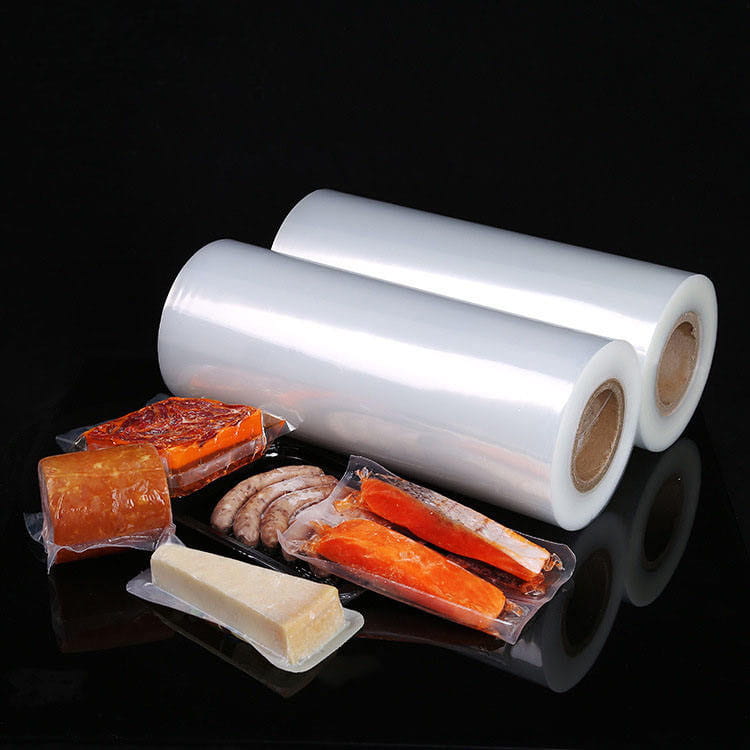
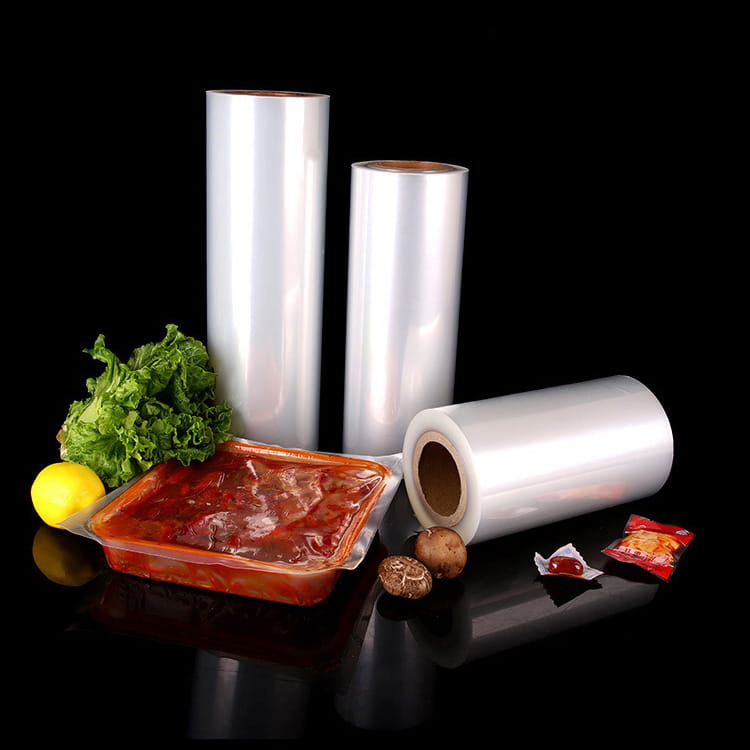
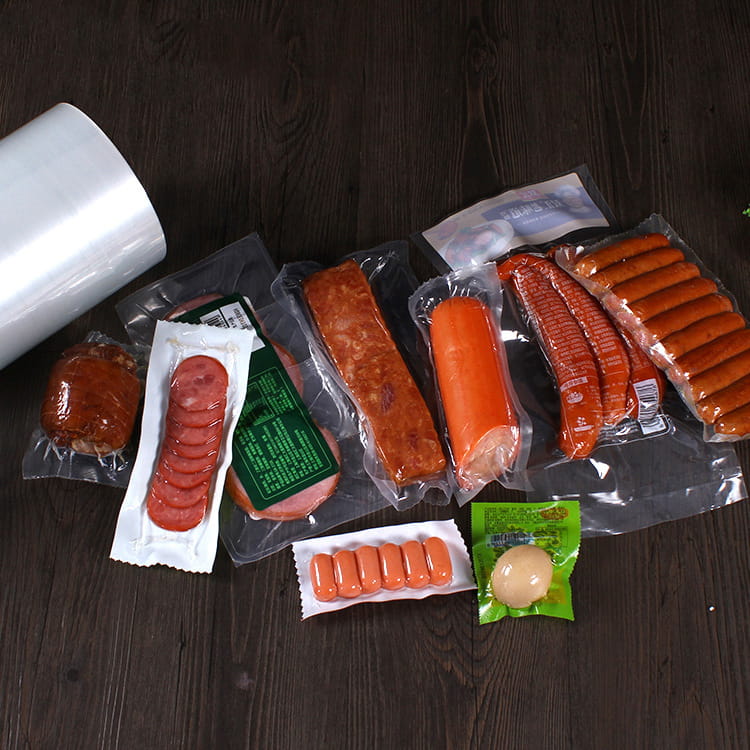
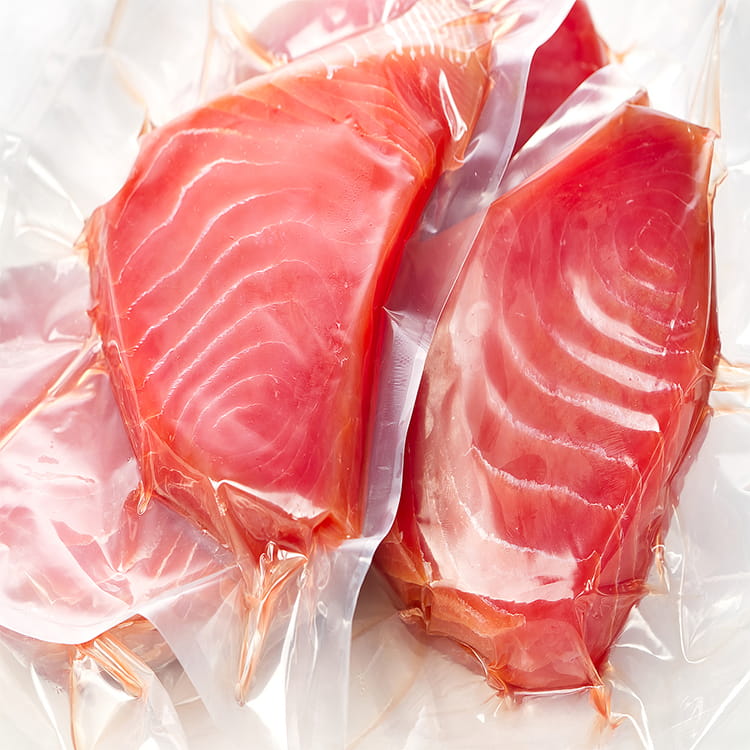
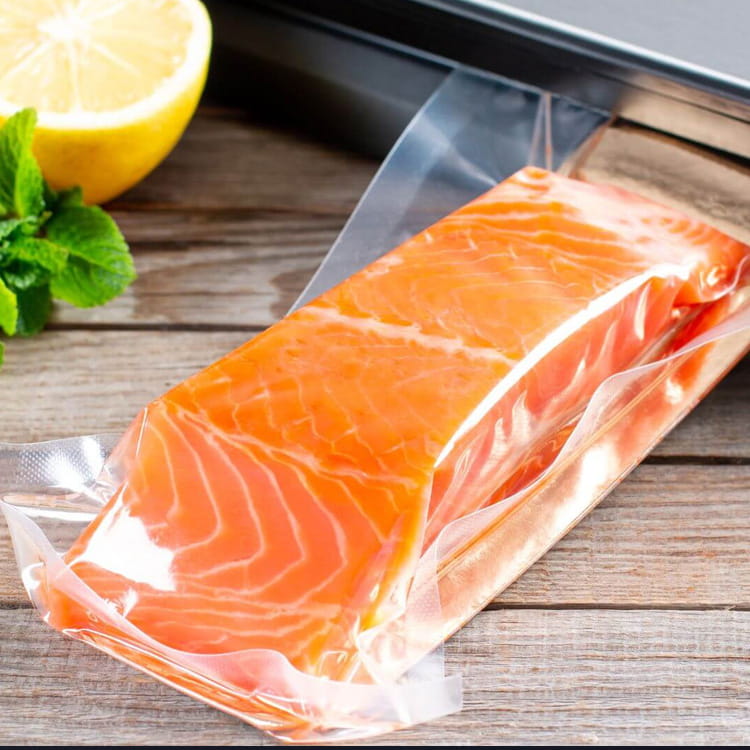
The food industry is the largest application field of high barrier vacuum film, covering meat, seafood, prepared food, dairy products, and dried fruit. For chilled meat and seafood with a storage cycle of 6-12 months, 7-layer high barrier vacuum film can meet the demand; for high-end cured meat, imported seafood, and long-term preserved food, 9-layer film is preferred to ensure product quality and extend shelf life.
Pharmaceutical and Medical Industry
Pharmaceutical packaging has strict requirements for barrier performance and safety. Drugs, medical devices, and diagnostic reagents are sensitive to oxygen and moisture, so 9-layer high barrier vacuum film is exclusively used. Its ultra-high barrier performance and medical-grade materials ensure the stability and efficacy of drugs during the validity period, complying with pharmaceutical packaging standards.
Electronic and Industrial Industry
Precision electronic components, metal parts, and industrial equipment are prone to oxidation and rust. High barrier vacuum film can block oxygen and moisture to prevent product damage. 7-layer film is suitable for conventional industrial products, while 9-layer film is used for precision electronic components with high anti-oxidation requirements.
Daily Chemical and Cosmetic Industry
Cosmetics and daily chemical products contain natural ingredients that are easy to oxidize and deteriorate. High barrier vacuum film can maintain product fragrance and efficacy. Most daily chemical products use 7-layer high barrier vacuum film, which has cost advantages while meeting barrier requirements.
Procurement Guidelines for B2B Buyers: High Barrier Vacuum Film
As a B2B buyer, when purchasing 7-layer or 9-layer high barrier vacuum film, in addition to focusing on the layer structure and performance indicators, you also need to pay attention to the following key points to ensure the procurement of high-quality, suitable products and avoid risks.
- Clarify product demand parameters: Determine the required barrier performance, thickness, size, and heat sealing temperature according to the packaged product characteristics
- Check product safety certification: Ensure that the film complies with food, pharmaceutical, and other industry safety standards, with complete certification documents
- Verify layer material authenticity: Confirm that the core barrier layer uses high-quality EVOH material to avoid shoddy products
- Test actual performance: Conduct vacuum packaging, low-temperature storage, and transportation simulation tests to verify film performance
- Consider after-sales service: Choose suppliers with stable supply capacity and perfect after-sales service to ensure long-term supply stability
Following these guidelines can help B2B buyers efficiently select high-quality high barrier vacuum films that match their products, reduce procurement costs, and improve packaging efficiency and product quality.
Production Process and Quality Control of High Barrier Vacuum Film
The quality of 7-layer and 9-layer high barrier vacuum films is closely related to the production process and quality control system. Understanding the production link can help B2B buyers better evaluate product quality and select reliable suppliers.
Core Production Process
The main production process of multi-layer high barrier vacuum film is multi-layer co-extrusion blowing or casting process: raw material proportioning → automatic feeding → multi-layer co-extrusion → film forming → cooling shaping → thickness testing → winding slitting → finished product inspection. The co-extrusion process ensures the uniform thickness and tight bonding of each layer, which is the key to ensuring film performance.
Key Quality Control Points
- Raw material control: Use brand-new polymer materials, strictly prohibit the use of recycled materials, and ensure material purity
- Layer thickness control: Real-time monitoring of the thickness of each layer through online testing equipment, with an error controlled within ±5%
- Barrier performance testing: Sampling test of oxygen and water vapor transmission rate to ensure compliance with standard values
- Mechanical performance testing: Test tensile strength, puncture resistance, and heat sealing strength to ensure mechanical stability
- Appearance inspection: Check for defects such as crystal points, bubbles, and scratches to ensure film appearance quality
Suppliers with a complete quality control system can provide stable and reliable high barrier vacuum films, which is an important basis for B2B buyers to establish long-term cooperation.
FAQs About High Barrier Vacuum Film
Q1: What is the main difference between 7-layer and 9-layer high barrier vacuum films?
The main differences lie in layer quantity, barrier performance, and application scenarios. 9-layer films have higher barrier and puncture resistance, suitable for ultra-high-demand packaging, while 7-layer films are cost-effective for conventional needs.
Q2: Can high barrier vacuum film be used for frozen food packaging?
Yes, both 7-layer and 9-layer films have good low-temperature resistance, can be used for frozen food packaging below -18℃, and maintain sealing and barrier performance.
Q3: How long is the shelf life of products packaged with high barrier vacuum film?
7-layer film can extend the shelf life to 6-12 months, and 9-layer film can reach 12-24 months, depending on the product type and storage environment.
Q4: Is high barrier vacuum film compliant with food contact safety standards?
Yes, regular high barrier vacuum films use food-grade/medical-grade materials, comply with national and international safety standards, and are suitable for direct food contact.
Q5: Can high barrier vacuum film be used on automatic vacuum packaging machines?
Yes, both 7-layer and 9-layer films have good processing adaptability and are compatible with fully automatic and semi-automatic vacuum packaging equipment.
Q6: What is the conventional thickness range of high barrier vacuum film?
The conventional thickness is 80-150μm, and the thickness can be customized according to packaging needs to balance performance and cost.
Q7: Does high barrier vacuum film have light-blocking function?
Standard products are transparent, and light-blocking versions can be customized by adding light-shielding layers for light-sensitive products.
Q8: Can B2B buyers customize the layer structure of high barrier vacuum film?
Yes, professional suppliers can customize the layer materials, thickness, and performance according to buyer needs to meet special packaging requirements.