

 English
 عربى
عربى


What Is Polythene?
Polythene, more formally known as polyethylene (PE), is a thermoplastic polymer made by polymerizing ethylene gas. It is the most widely used plastic in the world, and in packaging it shows up everywhere: from single-use bags and wraps to multi-layer barrier films used for meat, electronics, and medical products.
The term "polythene" is simply a shorter, common name for polyethylene. In the UK, India, and many other regions, "polythene" is the everyday word; in the US, "polyethylene" is more common. They refer to the same material.
Polythene is classified as a thermoplastic because it can be melted, formed, and cooled multiple times without losing its basic properties. This reversibility is what makes it so practical for recycling and for high-speed packaging lines.
How Is Polythene Made?
Polythene is produced by an addition polymerization process. Ethylene (C2H4) molecules are subjected to heat and pressure in the presence of a catalyst or initiator. The double bonds in the ethylene molecules open up and link together into long chains. The chain length, branching, and density can be controlled by adjusting the polymerization conditions.
Two main routes dominate production:
- High-pressure process: Produces low-density polyethylene (LDPE) with highly branched chains. This gives a softer, more flexible film.
- Low-pressure process: Uses catalysts (Ziegler-Natta or metallocene) to produce high-density polyethylene (HDPE) and linear low-density polyethylene (LLDPE) with fewer branches and tighter packing.
The result is a family of polythene grades that differ in density, crystallinity, and mechanical behavior.
Main Types of Polythene and Their Uses
There are several commercial grades of polythene. The table below summarizes the key differences that matter when selecting a material for a packaging application.
| Type | Density (g/cm3) | Key Characteristics | Typical Applications |
|---|---|---|---|
| LDPE | 0.910–0.940 | Flexible, low melting point, easy to seal | Film, bags, shrink wrap, lids |
| LLDPE | 0.915–0.940 | Higher tensile strength and puncture resistance than LDPE | Stretch film, heavy-duty sacks |
| MDPE | 0.926–0.940 | Good balance of stiffness and tear resistance | Household products, pipes |
| HDPE | 0.941–0.965 | Rigid, high tensile strength, good chemical resistance | Bottles, crates, geomembranes |
In flexible packaging, LDPE and LLDPE are the workhorses because of their excellent heat-sealing ability and softness. However, single-layer polythene films have limited oxygen and moisture barrier properties. To overcome this, multilayer coextrusion combines polythene with other polymers.
Key Properties That Matter in Packaging
Polythene is often selected for packaging because of a distinctive set of properties:
Chemical inertness: Polythene does not react with most acids, bases, or salts. This makes it a safe contact layer for food and industrial products.
Moisture resistance: The material is essentially impervious to water vapor, which is critical for maintaining the freshness of moisture-sensitive goods.
Cost efficiency: Polythene is inexpensive to produce, easy to convert into film, and recyclable, giving it a very favorable lifecycle footprint.
Processability: It can be blown into thin films, cast, injection molded, and thermoformed, giving packagers great design freedom.
For food packaging, the limiting factor is usually oxygen permeability. Standard polythene film allows oxygen to pass through, which can shorten shelf life. This is where multilayer structures come into play.
Polythene in Flexible Packaging: What Buyers Should Know
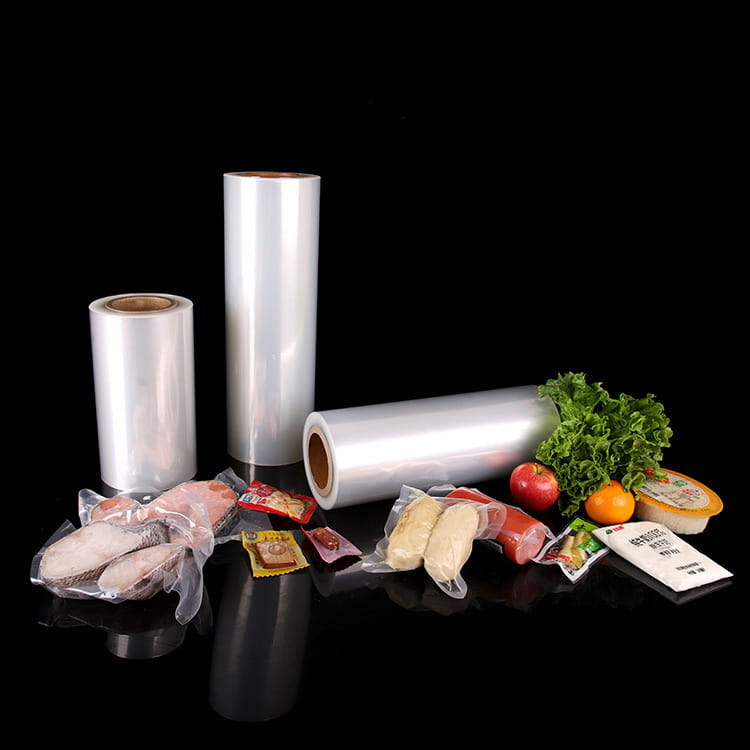
High-performance flexible packaging rarely relies on a single material. Multilayer coextruded films combine polythene with high-barrier polymers like PA (nylon), EVOH, or PP. The polythene layer provides sealing and toughness, while the barrier layer blocks oxygen and aromas.
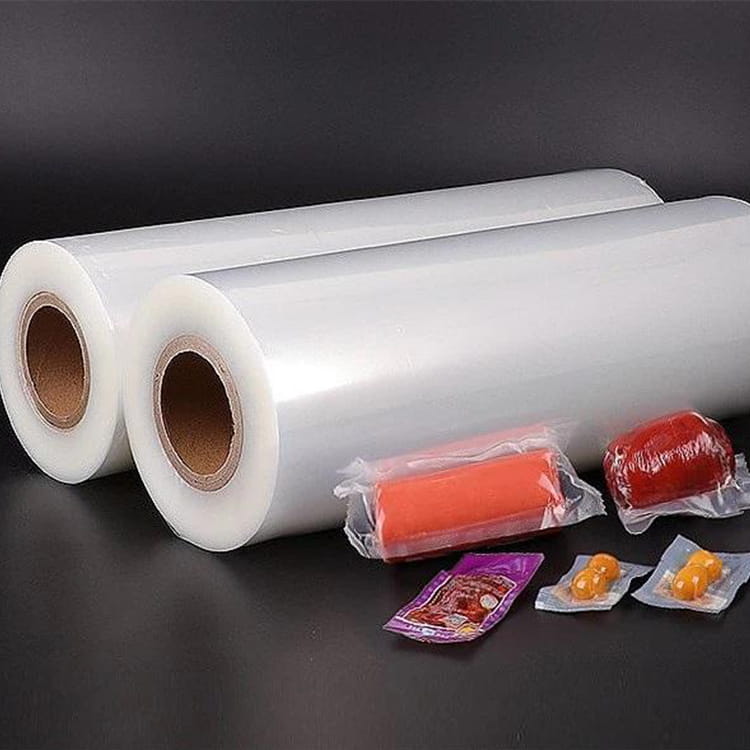
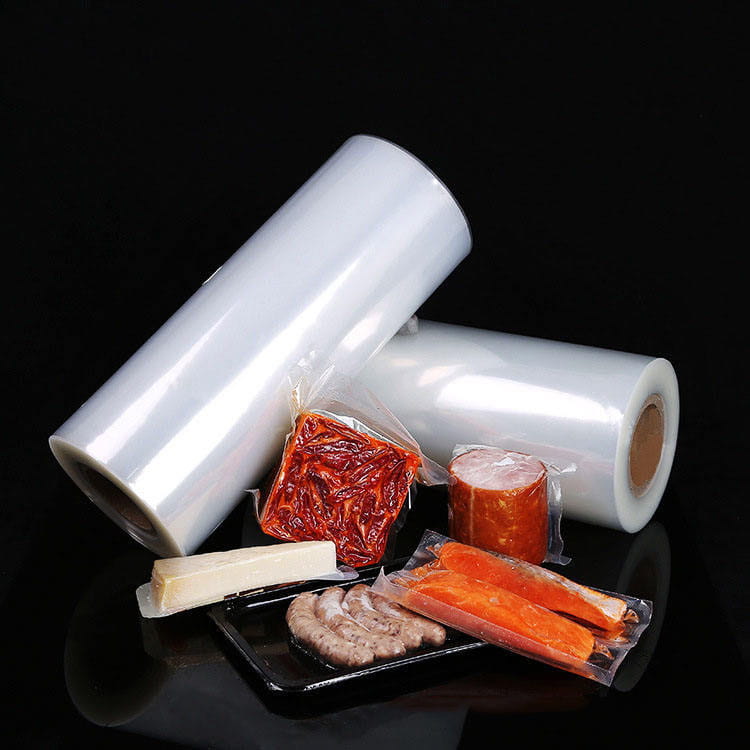
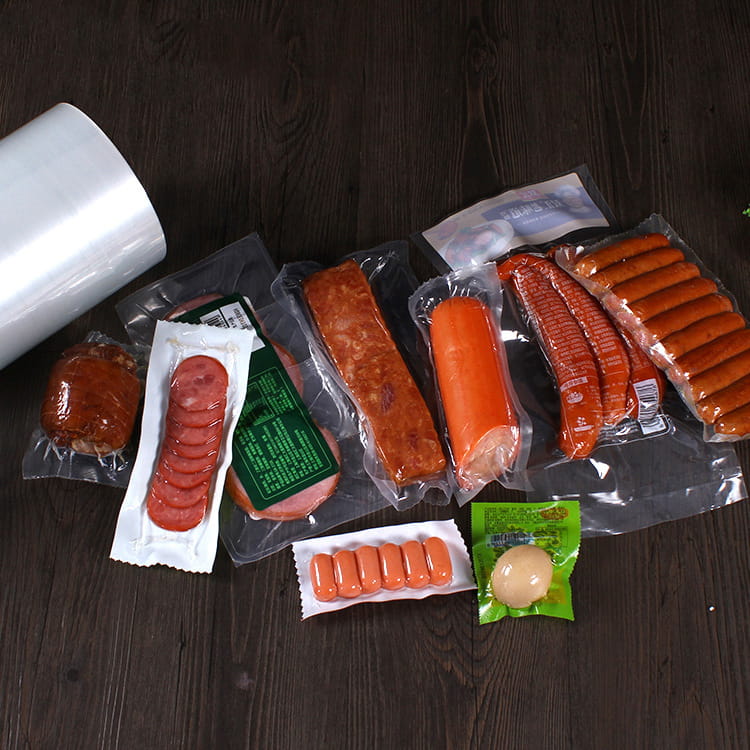
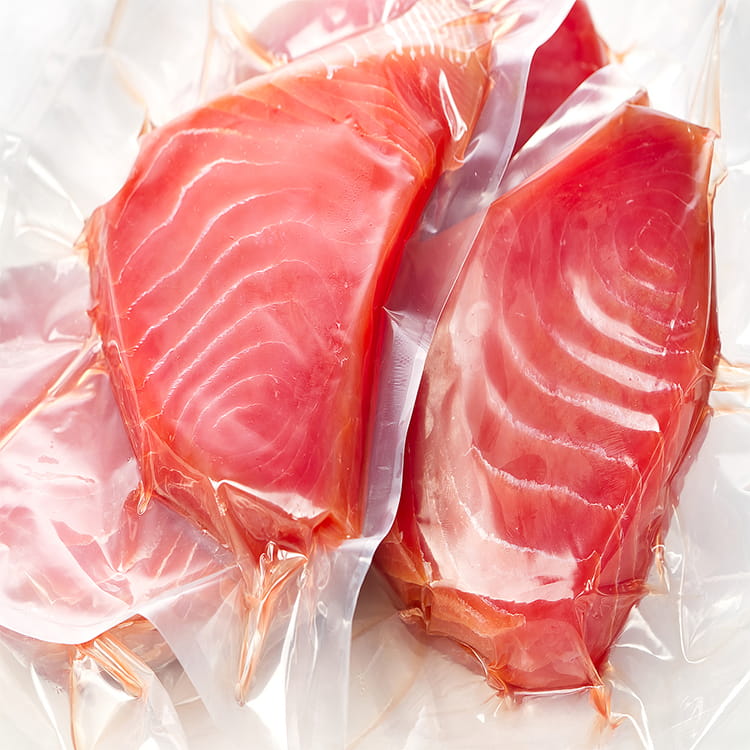
For example, a 7-layer coextruded high barrier film can deliver oxygen transmission rates that single-layer polythene cannot match. This is particularly important for fresh meat, cheese, and cooked foods that need extended shelf life. We offer 7-layer coextruded high barrier film engineered with precisely tuned layer structures.
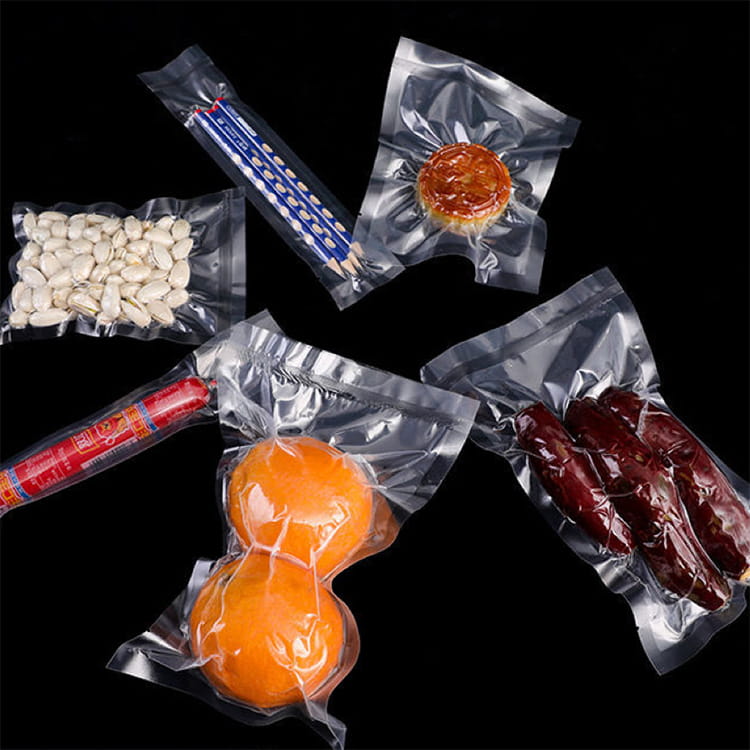 7-Layer Transparent Co-Extruded Film for High-Barrier PackagingThis film combines PA, PE, and EVOH layers to provide strong oxygen and moisture resistance, extending shelf life for fresh meat, cheese, and cooked foods. Its transparency and durability make it suitable for various packaging needs.View Product →
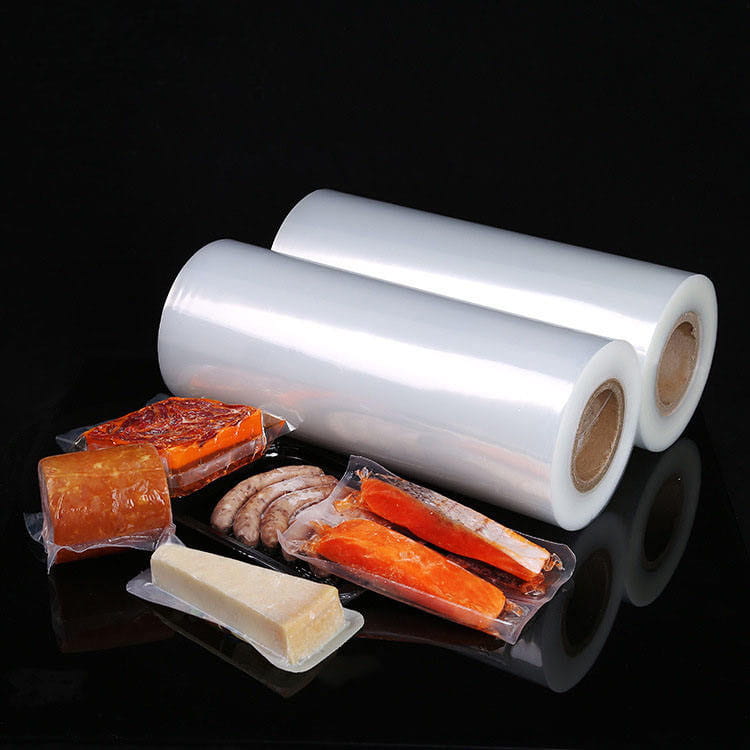
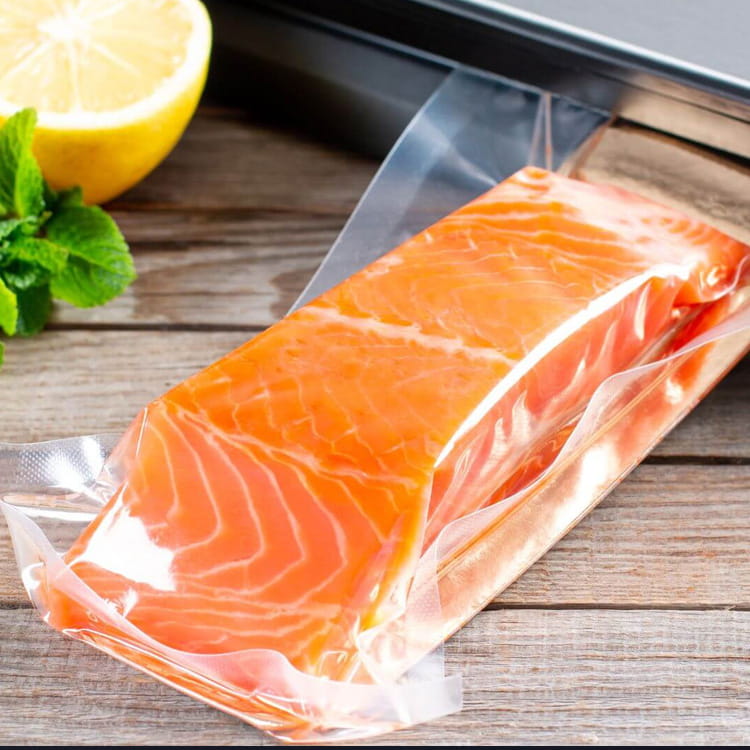
Temperature is another decisive factor. Some packaging must withstand low-temperature storage or cooking. A symmetrical 7-layer PA/PE low-temperature film is a practical solution for vacuum packaging and thermoforming applications, because the PA layer provides oxygen barrier while the PE sealant layer remains flexible at cold temperatures. You can see how symmetrical 7-layer coextruded low-temperature PA/PE film is used in our product line.
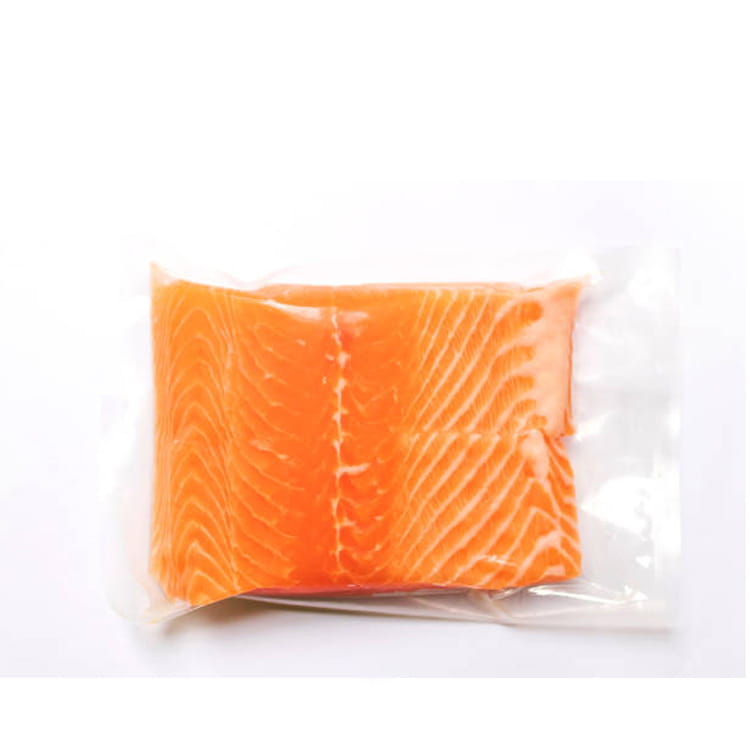 7-Layer Clear Vacuum Bags for Freeze-Dried FoodsDesigned for low-temperature storage down to -40°C, these vacuum bags offer excellent flexibility and barrier protection. The PA layer provides oxygen resistance, while PE maintains integrity during freezing and thawing, ideal for freeze-dried fruits and meats.View Product →
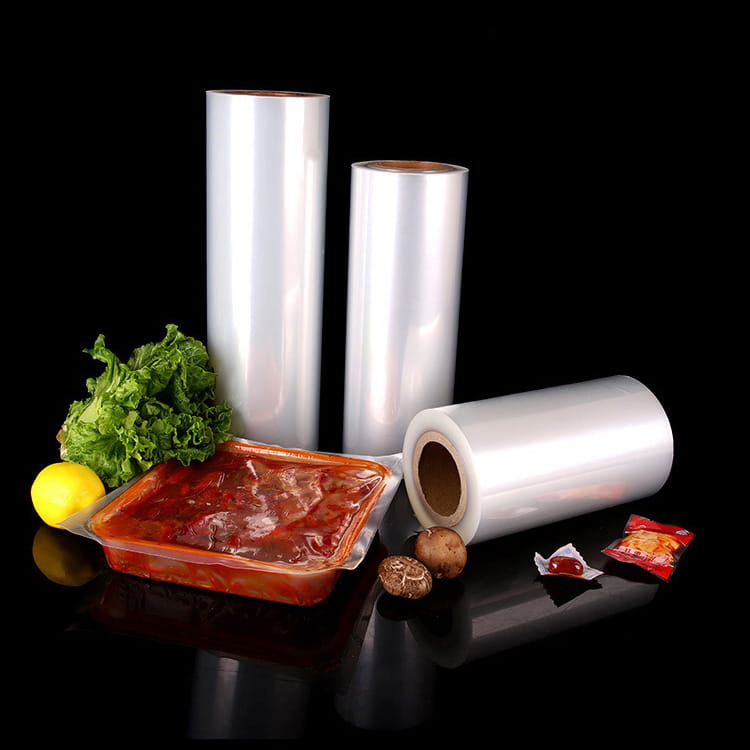
For consumer convenience, easy-peel lidding films have become important in ready-to-eat food. A PE-based easy-to-peel no-residue lid film offers a clean peel without leaving adhesive residue on the tray. This type of film is often used for cooked food packaging. Learn more about our PE easy-to-peel no-residue lid film for cooked food packaging.
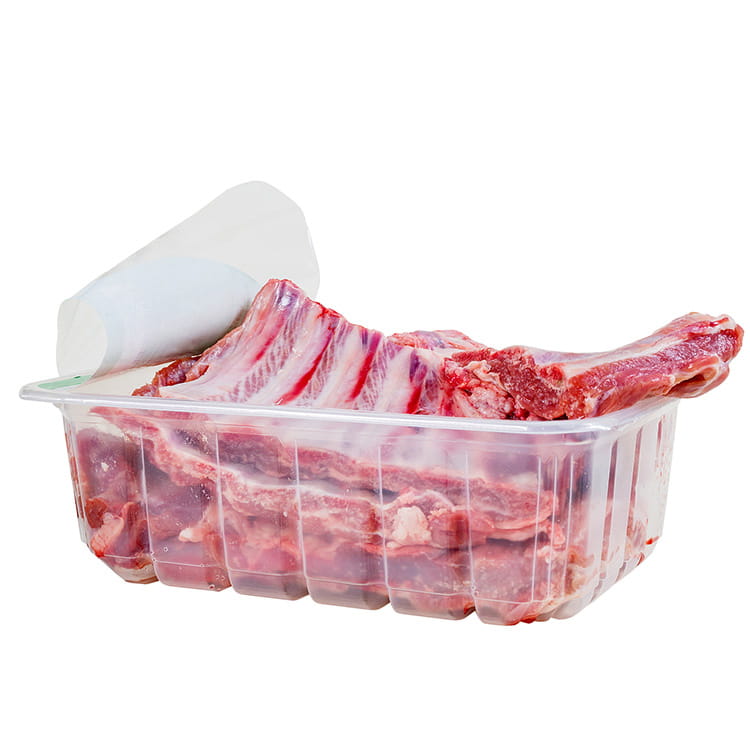 PE Easy-Peel Thermoforming Film for Cooked Food PackagingThis thermoforming film features an easy-peel design that removes cleanly without residue, preserving food appearance. EVOH and PA layers provide high barrier against oxygen and moisture, extending shelf life for ready-to-eat meals and cooked dishes.View Product →
The selection of layer count, resin combination, and processing conditions directly affects performance. If you are new to this topic, you may want to read about the benefits of multilayer coextruded blown film to understand why this technology is so widely used.
How to Choose the Right Polythene Film
When specifying a polythene-based film for packaging, you can evaluate the following criteria:
- Barrier requirement: What oxygen and moisture transmission rates does your product need? This determines whether a 5-layer, 7-layer, or 9-layer structure is necessary.
- Operating temperature: Will the package be frozen, refrigerated, or heated? Choose a sealant film that maintains strength in that range.
- Mechanical toughness: Puncture resistance and tensile strength are critical for sharp foods or heavy items.
- Sealing performance: The seal integrity affects leak resistance and product protection. Consider both seal strength and seal initiation temperature.
- Regulatory compliance: Food-contact packaging must comply with FDA, EU, or other local regulations. Confirm that all resin and additives are food-grade.
- Printability: If the package needs branding, the film surface must have adequate surface energy for inks or lamination.
Testing is always recommended. The optimum solution can only be confirmed by using actual product fill tests, not from data sheets alone.
FAQ
Q1: Is polythene the same as polyethylene?
Yes. Polythene is a colloquial term for polyethylene. They are exactly the same polymer, with "polythene" common in British English and "polyethylene" more common in American English.
Q2: Is polythene safe for food packaging?
Food-grade polythene is safe, provided it complies with food-contact regulations. However, the barrier performance depends on the film structure. For oxygen-sensitive foods, a multilayer high-barrier film is better than a single-layer polythene film.
Q3: Can polythene be recycled?
Yes. LDPE, LLDPE, and HDPE are all recyclable. Multilayer films are harder to recycle because the layers are fused, but specialized recycling streams are being developed.
Q4: What is the difference between HDPE and LDPE?
HDPE is denser, more rigid, and has higher tensile strength. LDPE is softer, more flexible, and has a lower melting point. In flexible packaging, LDPE and LLDPE are preferred for sealing, while HDPE is used for rigid containers.