

 English
 عربى
عربى


Picture this: you wrap a pallet of water bottles in a loose plastic film, send it through a tunnel of warm air, and within seconds the film pulls tight against every bottle. That is shrink wrapping in action. The short answer to how it works is that the film is made with built-in tension. It is stretched during manufacturing, cooled into that stretched shape, and when heat is applied it returns to its original, smaller footprint.
Shrink wrap is not a chemical reaction. It is a physical change that reverses the orientation built into the film during manufacturing.
The short answer: heat releases built-in tension
Most materials expand when heated. Shrink wrap does the opposite. That inversion is the key to the whole process. During production, the film is heated and stretched. The polymer chains align in the direction of the stretch, and then the film is cooled rapidly. This cooling freezes the molecular orientation in place, so the film now wants to stay stretched. When you apply heat later, the polymer chains relax and move back to their naturally coiled state. The film contracts, pulling itself tight around whatever it covers.
This is why a shrink tunnel works better than a heat gun for even coverage, and why a heat gun can still get the job done when you are working on a small run or a delicate product. The heat source does not melt the film; it loosens the molecular lock that holds the stretched shape.
The materials that determine how shrink wrap behaves
The science is always the same, but the film you choose changes the result. The three most common shrink wrap materials are PVC, polyolefin, and polyethylene.
PVC film
PVC film shrinks at a low temperature, offers high clarity, and holds a strong seal. It is an old classic for retail packaging, but it can become brittle with age and is sensitive to cold. In some regions, PVC is also harder to recycle, which is pushing brands toward polyolefin.
Polyolefin film
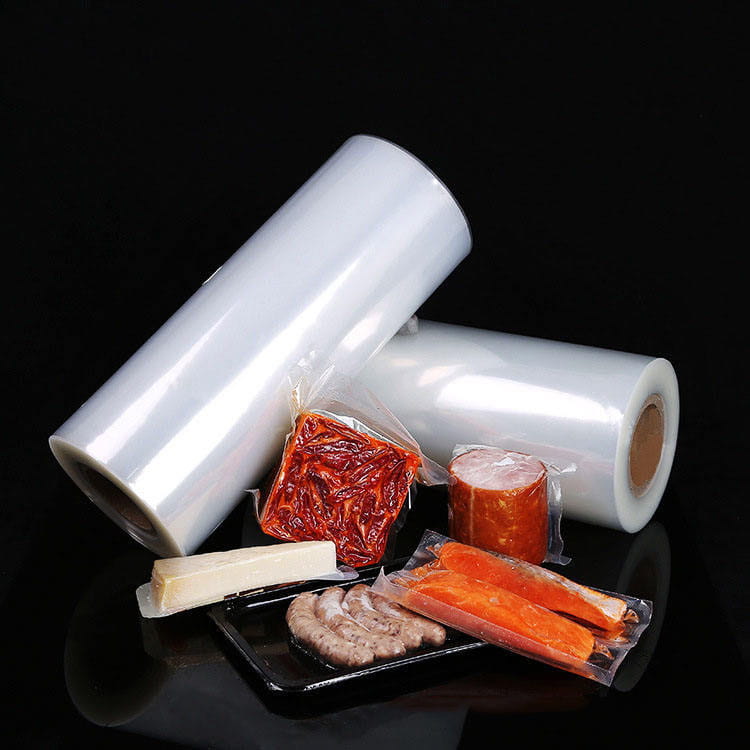
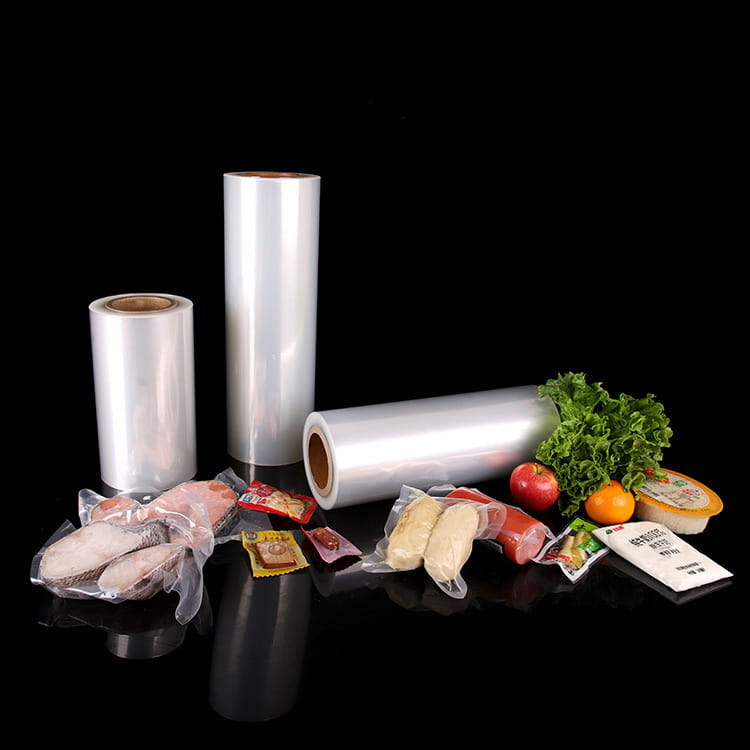
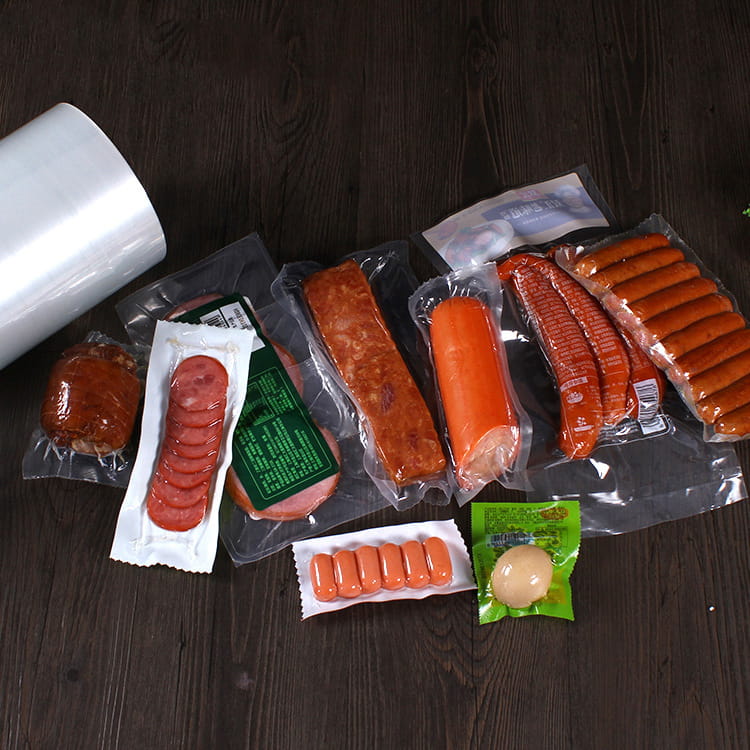
Polyolefin film is the go-to choice for food, printed media, and general retail. It has a broader heat tolerance, produces minimal fumes when sealed, and gives a clean, transparent finish. Many polyolefin films are recyclable, which makes them a strong option for sustainability-oriented packaging.
Polyethylene film
PE film is tougher and is often used for industrial bundling, pallet coverage, and heavy transport. It has lower clarity than PVC or polyolefin, but strength is what matters when the load is heavy or has sharp edges. LDPE and LLDPE are the most common PE formulations in shrink film.
Step by step: how shrink wrap goes from loose to tight
The basic workflow has four stages: measure, wrap, seal, and heat.
- Measure and cut. You need to know the product dimensions. The film should be slightly larger than the item so it can slide over or around it.
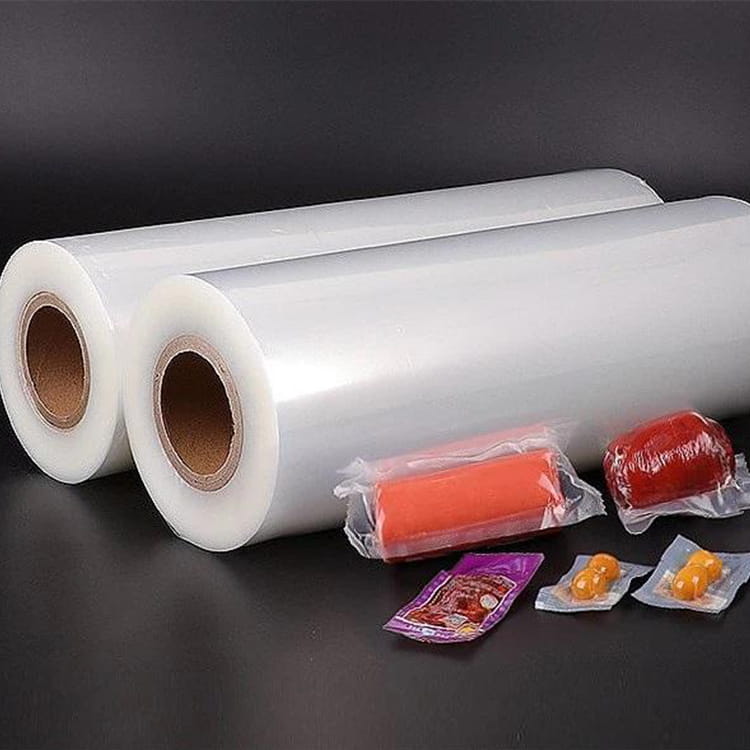
- Wrap the film around the product or place it in a shrink bag. There are different formats: centerfold film, shrink tubing, shrink bags, and standard rolls. For cylindrical objects, a tubular format can be useful. You might evaluate a tubular transparent packaging film
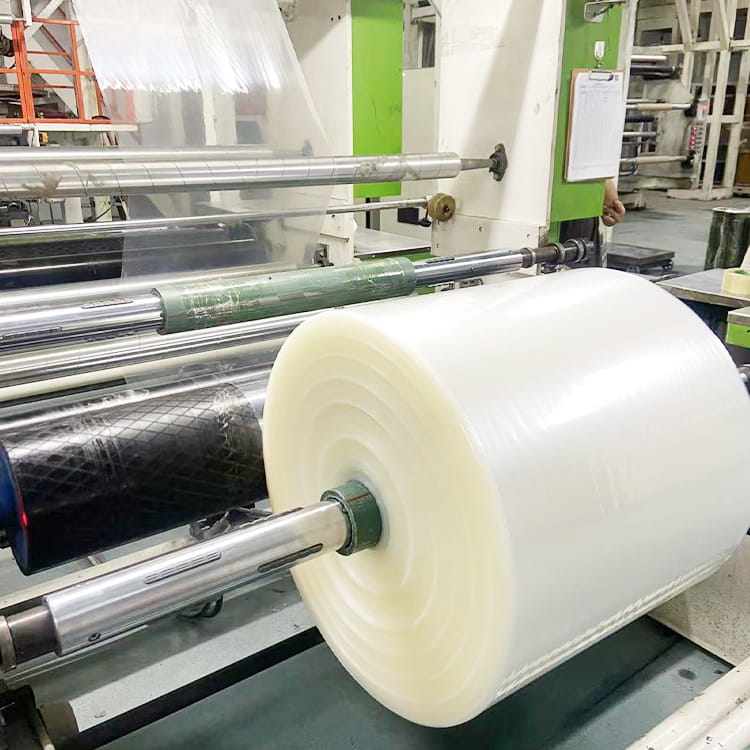 Tubular Transparent Packaging Film for Product Visibility and ProtectionThis transparent tubular film offers clarity to showcase products while providing tensile strength and sealing performance, making it a reliable choice for packaging in the four-stage workflow and helping avoid quality issues from price-only decisions.View Product →, which can be cut and sealed at the ends.
 - Seal the open ends. If you are using a centerfold film, the open side is sealed with an L-bar sealer or a manual impulse sealer. If you are using a shrink bag, the open end is twisted or clipped before heat is applied.
- Heat the film. A handheld heat gun works well for small items or sites without equipment. A shrink tunnel is better for high-volume work. The tunnel has a belt that carries the package through a controlled chamber, where hot air acts on the film from all sides. The film starts shrinking at the edges first, and perforations in the film allow trapped air to escape so the film does not balloon. Finally, the film cools and locks into its tightened shape.
The performance specs you should check before buying
Choosing shrink wrap solely on price can create problems on the line. The quality of the finished pack depends on a few key specifications.
| Parameter | What it measures | Why it matters |
|---|---|---|
| Shrink force | The tension the film exerts as it cools | Determines how tightly it grips the product |
| Shrinkage ratio | The percentage of dimension change after heating | Tells you if the film can match the product shape |
| Puncture resistance | The force needed to penetrate the film | Affects protection against sharp edges |
| MVTR | Moisture vapor transmission rate | Critical for products sensitive to humidity |
| Antifog | The treatment that prevents condensation on the film | Important for packaged food look-through |
One more consideration is the shrink curve. A film with a fast shrink curve can be used in a shorter tunnel or with a simple heat gun. A slow shrink curve gives a more uniform finish but requires a longer dwell time. If your packaging line is running at high speed, a fast shrink curve is usually preferable.
How to choose the right shrink wrap for your product
Start with the product. Heavy items with sharp corners need a gauge that resists puncture. Light, fragile items need a film that shrinks at a moderate temperature so it does not distort the package. Then look at the environment. If the product will be stored in a warehouse, the film should withstand UV and temperature swings. If it is food, the film should meet the relevant migration and food-contact regulations. If it is sensitive to moisture, the MVTR becomes a deciding factor.
The equipment on your line also matters. A large film roll requires a bigger unwind stand, while a manual L-bar sealer can only handle limited widths. If you are shipping many items together, the same heat-shrink principle can be used for bundling. In fact, shrink bundling film illustrates how a single layer of shrink film stabilises a group of items for transport while keeping the shelf presentation clean.
Common questions about shrink wrap
Q1: Why does shrink wrap shrink when heated instead of expanding?
Most materials expand because heat increases the motion of molecules. Shrink wrap has been stretched and then cooled, so the molecules are locked in a straight, extended line. When you reheat them, they relax into their natural, smaller arrangement. The film contracts rather than expands.
Q2: What is the difference between shrink wrap and stretch wrap?
Stretch wrap is applied under tension and sticks to itself. Shrink wrap is applied loosely and then heated to tighten. Stretch wrap is often used for pallet loads, while shrink wrap gives a more secure, tamper-evident finish for individual products.
Q3: Can shrink wrap be used for food?
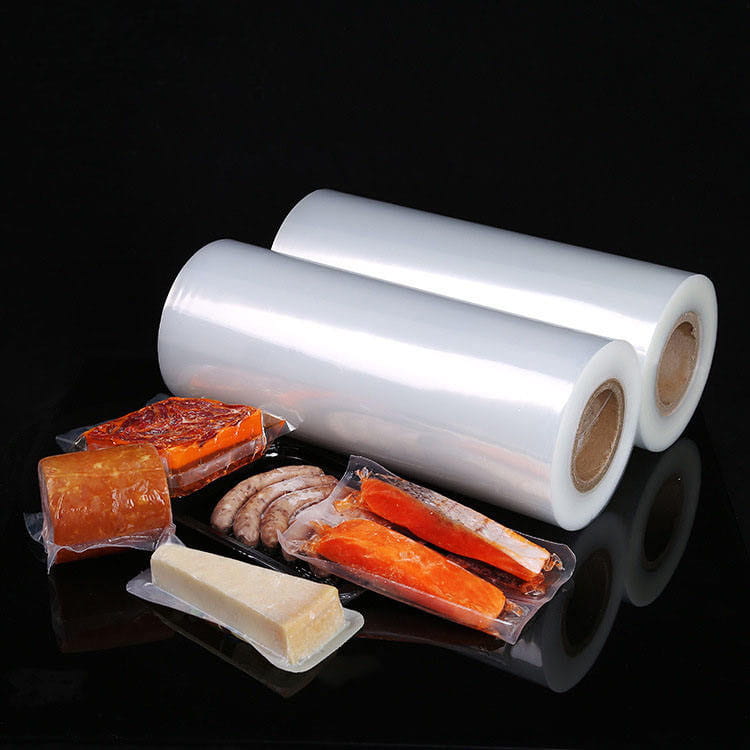
Yes, but you need a food-grade shrink film. Polyolefin film is commonly used for food because it does not emit harmful fumes and can meet food-contact standards. Always check the specific resin and additives before using it in a food environment.
Q4: How do you prevent heat from burning holes?
Use the right heat for the right film. Move the heat gun in a steady sweeping motion, or set the tunnel temperature lower and give the film more dwell time. Watch the edges, where the film is thinner and can melt faster.
Shrink wrap is a simple idea on the surface: use heat to make a film pull tight. The details are more interesting. The orientation of the polymer, the choice of material, the gauge, the shrink curve, and the heating method all influence how well the package performs. The practical takeaway is to match the film to your product, not to force one film into every job. When the temperature, film, and speed are aligned, shrink wrap becomes one of the most reliable ways to protect, present, and preserve.