

 English
 عربى
عربى


Imagine receiving a large framed picture that you need to ship to a customer who lives three time zones away. A rigid box alone won't keep the corners from chafing. You need a film that clings tightly after heat is applied. Shrink wrapping is the answer, and it is not as complicated as it sounds. The key is to choose the right film, seal it properly, and apply heat evenly. If you skip those basics, the wrap can loosen, tear, or overheat the product. This guide walks through the full process so you can get a professional-looking result on the first try.
What Is Shrink Wrap and How Does It Work?
Shrink wrap is a polymer plastic film that shrinks when heated. The film is manufactured with a built-in memory of its original dimensions. When exposed to heat, the polymer chains relax and pull the film tight around whatever it covers. The most common materials are PVC, polyethylene (PE), and polyolefin blends. Each has a different shrink ratio, seal strength, and price point.
The mechanism is simple: the film is applied loosely around the product, then heated with a heat gun or heat tunnel. The heat causes the film to contract and conform to the product's shape. The result is a protective, tamper-evident shell that resists dust, moisture, and minor impacts. Shrink wrapping is used for everything from retail cartons and gift baskets to electronics and food trays.
Types of Shrink Wrap Film
Understanding your options helps you pick the right format. There are three main types:
- Shrink wrap rolls. These are open sheets or centerfold rolls. You cut the sheet to size, wrap it around the product, and seal the edges. They are versatile and work well for irregular shapes.
- Shrink bags. Pre-formed bags with an open end. You place the product in the bag, seal the open end, and apply heat. They are convenient for small to medium items.
- Shrink tubing. A tube-shaped film that slides over long or cylindrical products. After heat is applied, it contracts evenly around the entire surface. Tubular transparent packaging film
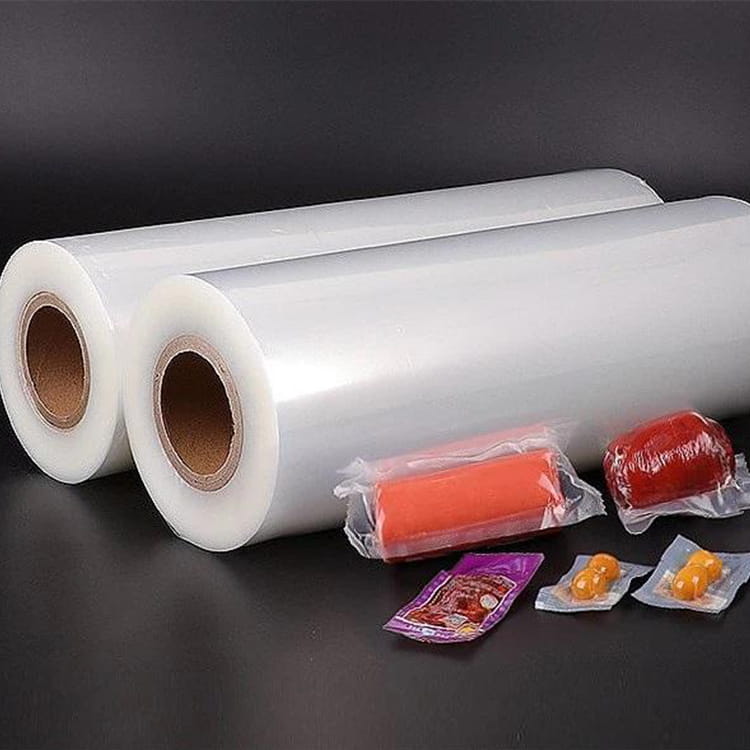
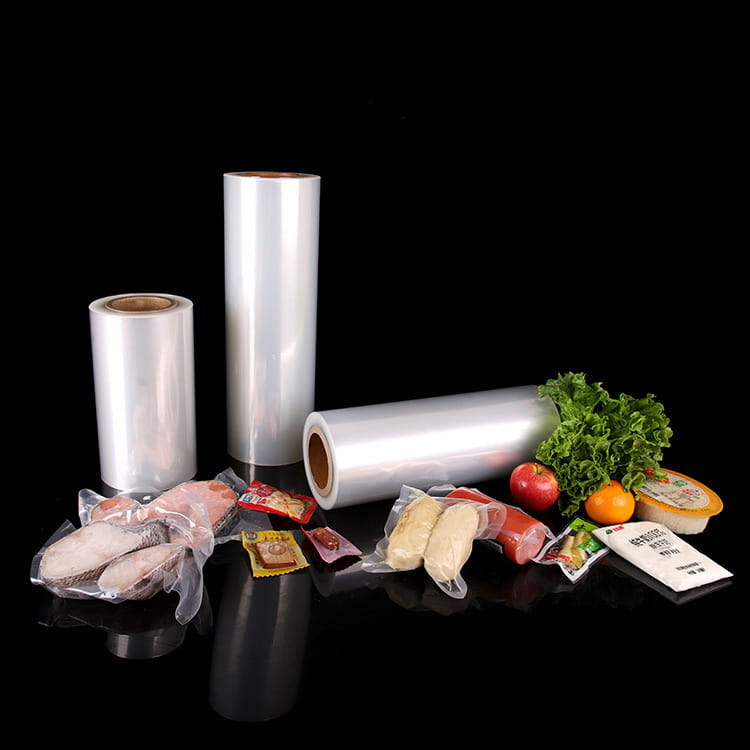
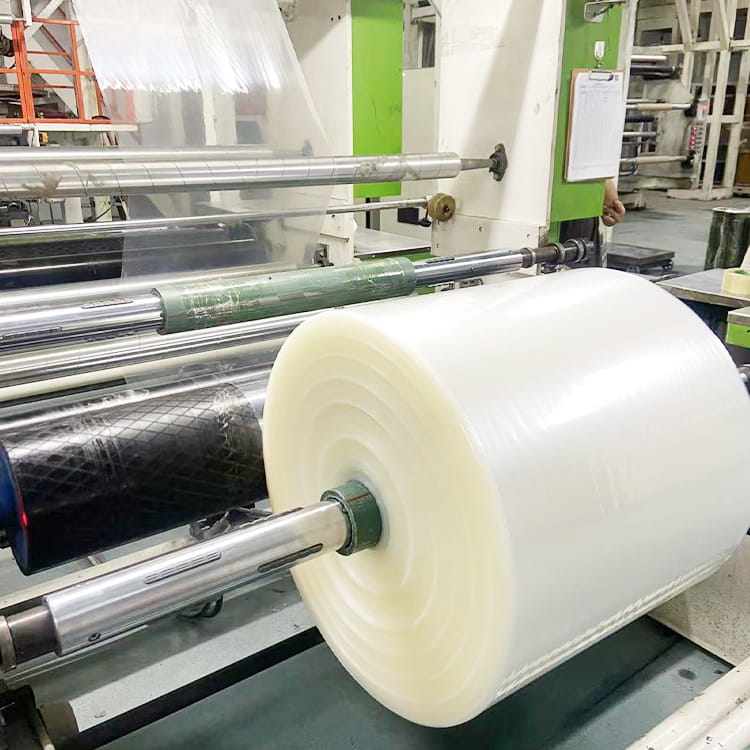 Tubular Transparent Packaging Film for Product VisibilityThis tubular film showcases products clearly while offering tensile and tear resistance. It suits food, cosmetics, and medical items, with customizable sizes and sealing performance to protect contents during storage and transport.View Product → is a good example of this format, offering consistent shrink behavior for round or elongated products.
| Format | Best for | Sealing method |
|---|---|---|
| Rolls | Large or irregular items | Heat sealer on cut edges |
| Bags | Small items, multi-packs | Seal open end with heat sealer |
| Tubing | Long, cylindrical items | Seal both ends |
Step-by-Step Shrink Wrapping Process
First, gather your equipment: shrink film, a heat sealer or impulse sealer, scissors or a cutter, and a heat gun. For production runs, a heat tunnel is faster but not required for small batches.
- Measure your product. Add 10 to 15 percent extra width and length to leave room for the seam and the film's natural shrink. For centerfold film, the formula is (width + height) x length = total film size. For tubing, use the diameter plus a small allowance.
- Cut the film. Use the measurement to cut a piece from the roll, or select a pre-made bag. If you are using a roll, wrap the film around the product so the overlapping edges form a seam.
- Seal the open ends. Place the cut edges together and run a heat sealer across the line. A clean, even seal is critical. If the seal is weak, the film will tear during shrink.
- Apply heat. Hold the heat gun about 15 to 20 cm away from the film and move it in a circular motion. Move the gun continuously to avoid melting a spot or burning the product. As the film tightens, inspect for wrinkles and adjust the heat.
- Let it cool. The film sets as it cools. Touch it gently to confirm the tension is even.
If you are packaging multiples, a 3-side sealing bag can save time because the bag arrives with three sealed edges. You only need to seal the fourth side. This format works particularly well for small electronics, printed matter, and food portions. For industrial logistics, this look at how shrink bundling film reduces transport damage provides additional context on how the same principle scales up for pallet loads.
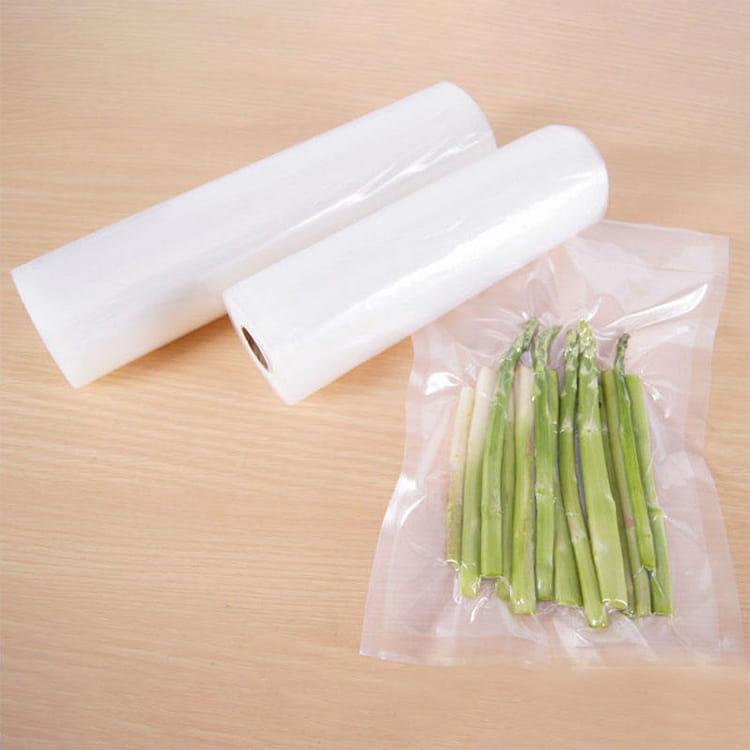 3-Side Sealing Bag for Efficient Small Item PackagingWith three pre-sealed edges, this bag speeds up packaging for multiple items. It is versatile for electronics, printed matter, and food portions, and offers options like zippers and tear notches for added convenience.View Product →
How to Choose the Right Shrink Wrap Film
Selecting the right film is not only about color or thickness. Consider the following factors:
- Shrink ratio. A film with a 40 to 60 percent shrink ratio works for most products. Higher ratios allow the film to conform to complex shapes.
- Thickness. Thinner films are cheaper but can puncture easily. For sharp edges or heavy items, choose a thicker gauge.
- Seal strength. Check that the film forms a strong bond at the seal line without creating weak points.
- Barrier properties. Some products need protection from oxygen, moisture, or odors. In that case, a 7-layer coextruded high-barrier film
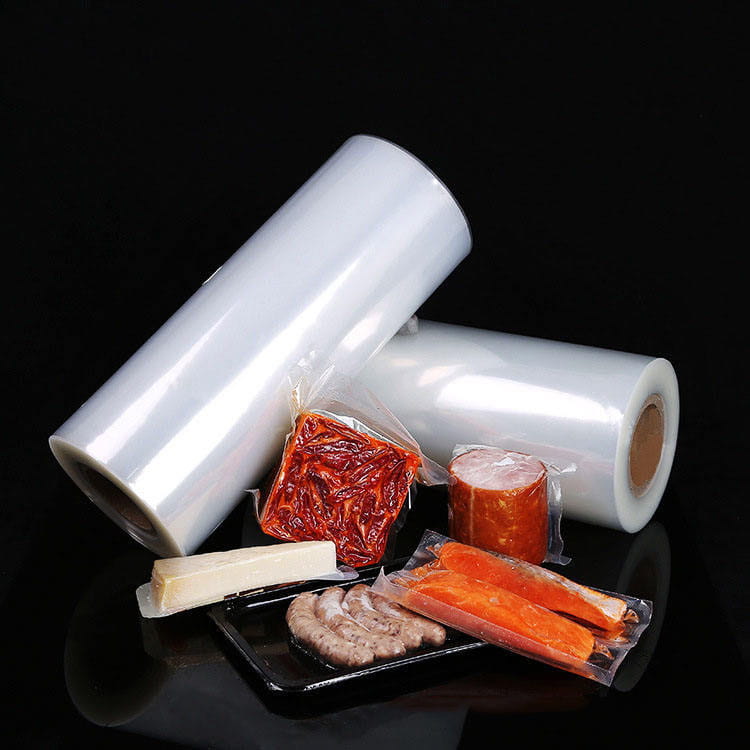
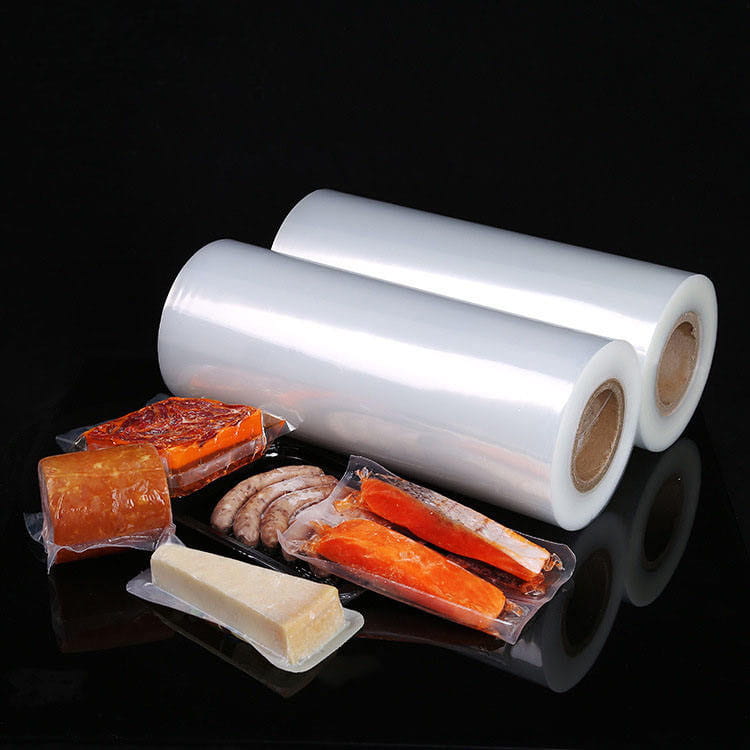
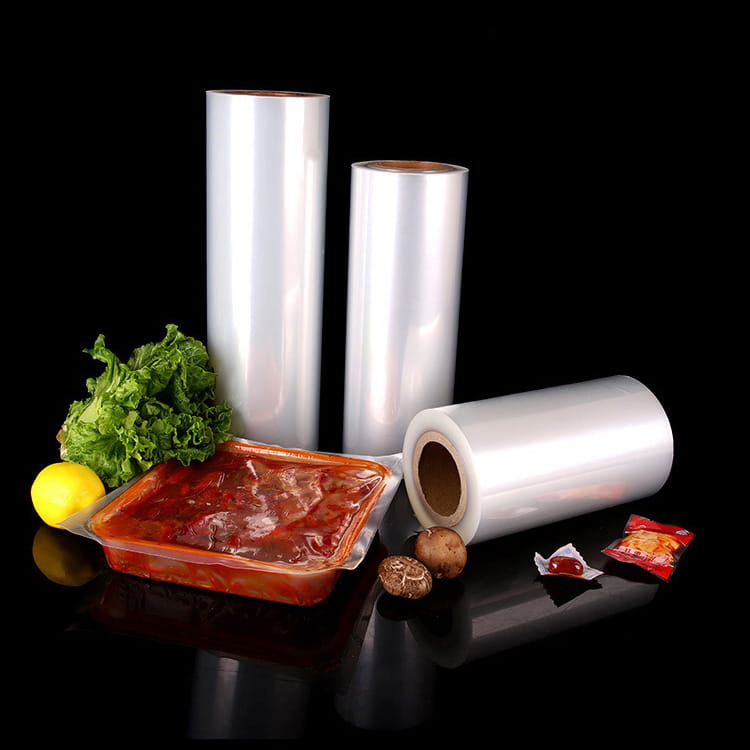
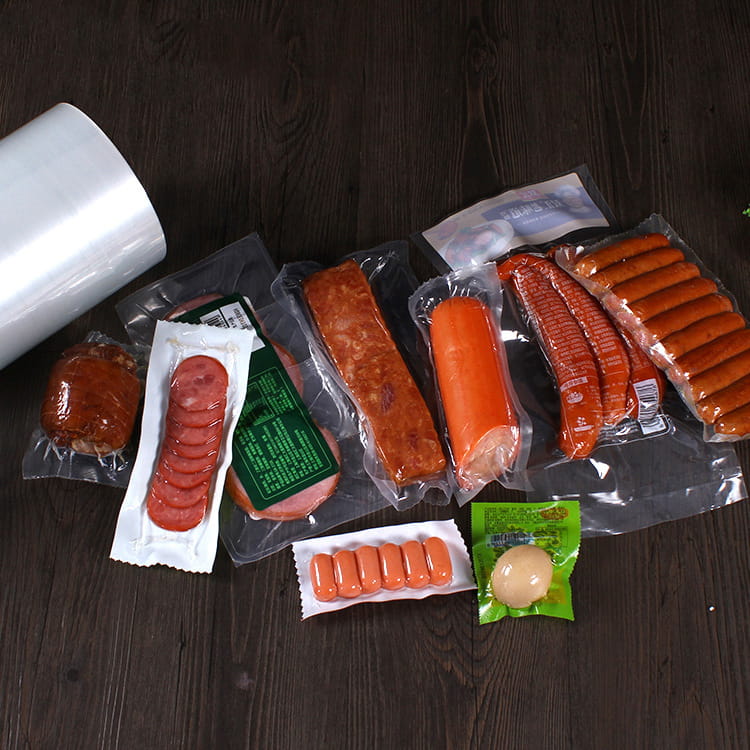
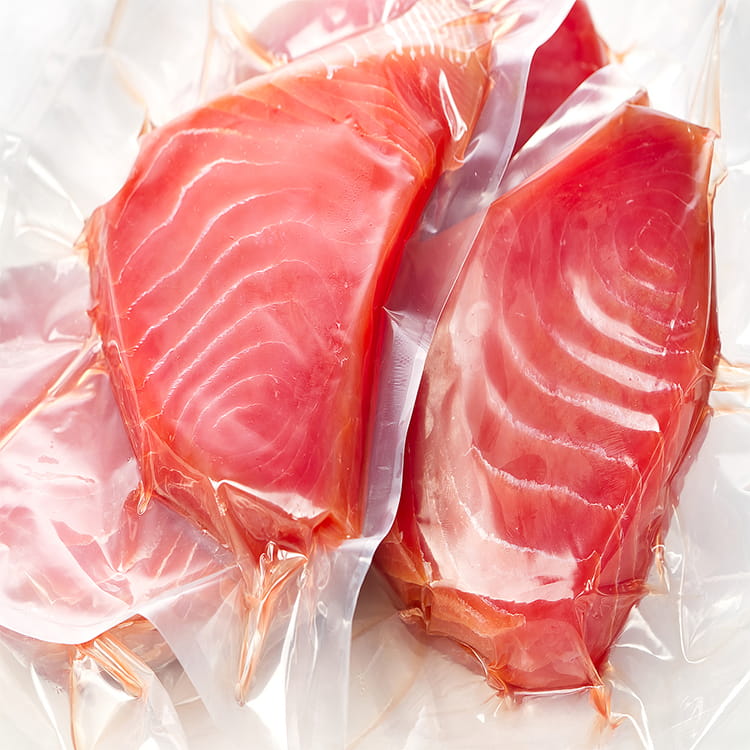
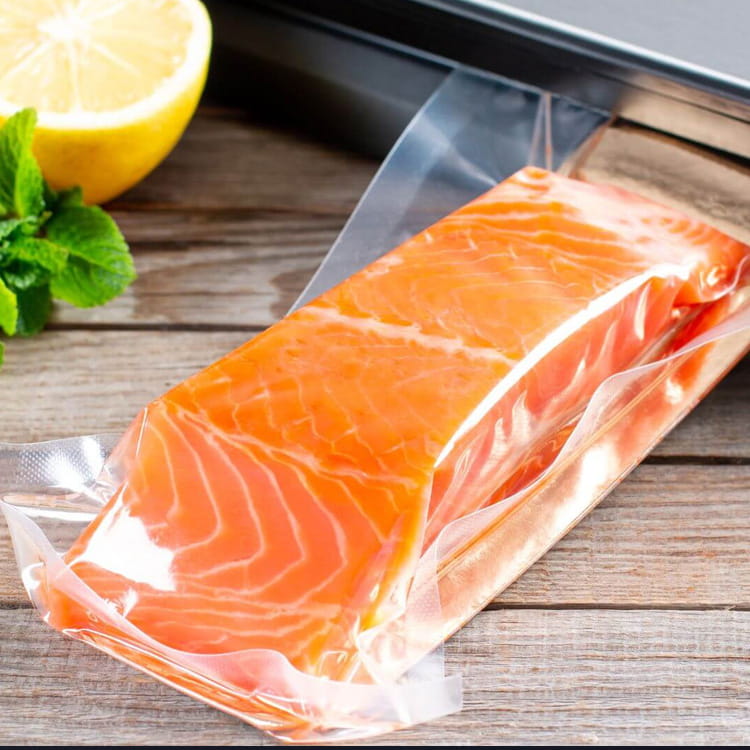
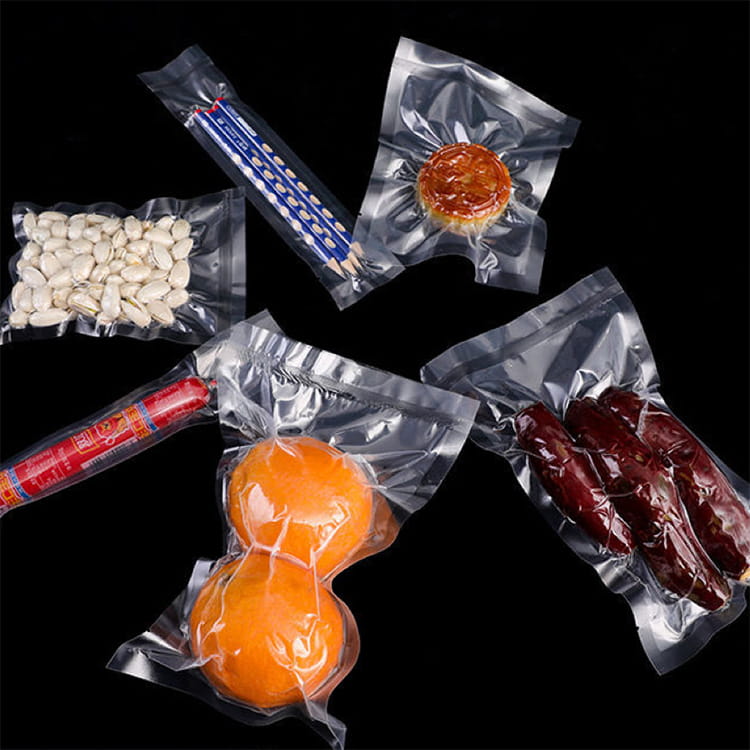 7-Layer Transparent Co-Extruded Film for High Barrier ProtectionThis multi-layer film combines PA, PE, PP, TIE, and EVOH to block oxygen and moisture, extending shelf life. Its clarity and strength make it ideal for food and sensitive goods, while ensuring reliable sealing on automated lines.View Product → adds a functional barrier that no single-layer shrink film can match, making it a smart choice for food and sensitive industrial items.
For projects that need high clarity and printable labels, you might also explore multilayer coextruded high-barrier films as a base material. The multi-layer approach allows engineers to match oxygen transmission rates, grease resistance, and mechanical strength to your specific product.
Common Mistakes to Avoid
Even with the right materials, you can end up with a messy wrap. Here are the pitfalls we see most often:
- Using too much heat. This creates holes, uneven tension, and can damage sensitive contents. Always start with lower heat and increase gradually.
- Skipping the seam seal. If you leave the film open, there is no tension to hold the wrap tight. A good seal must be present before heat is applied.
- Oversizing the film. Excess film can bunch up, leaving visible wrinkles and a loose fit. Trim extra material before sealing.
- Ignoring the product's heat tolerance. Not all products can withstand the heat of a shrink gun. Test a small area or use a low-temperature film if the product is heat-sensitive.
- Forgetting the temperature of the sealer. A sealer that is too hot can melt through the film; too cold and the seam peels open.
Frequently Asked Questions
Q1: Can I use a hair dryer instead of a heat gun?
A hair dryer can work for small shrink films, but it takes longer and may not reach the temperature required for thicker films. A heat gun provides more consistent airflow and higher temperature control.
Q2: What is the difference between shrink wrap and stretch wrap?
Shrink wrap requires heat to tighten around a product. Stretch wrap is applied under tension and holds its grip without heat. Use shrink wrap for tamper-evident packaging and stretch wrap for unitizing pallets.
Q3: How do I measure the right amount of film?
Measure the length, width, and height of your product. For centerfold film, use (width + height) for the width of the film and add 10 to 15 percent to the length. For tubing, measure the diameter and add a small allowance.
Q4: Can shrink wrap prevent moisture damage?
Yes, shrink wrap provides a dust and moisture barrier. For high humidity or long shipping routes, choose a film with higher barrier performance, such as a multilayer structure, to keep products dry.
Final Thoughts
Shrink wrapping is a simple but precise craft. The film, the sealer, and the heat source all work together to create a package that protects the product through handling and transit. Start with a well-measured film, make a clean seal, and heat evenly. If you are packing delicate or high-value goods, the extra effort of using a multilayer or high-barrier film will pay off in fewer returns and happier customers.