+86-0510-85599233

Wholesale Vacuum Food Sealer Bags Manufacturers

Clean air, a human right

Home / Products / Packaging Bag / Fresh Food High-Barrier PE/PA Composite Vacuum Sealer Bag
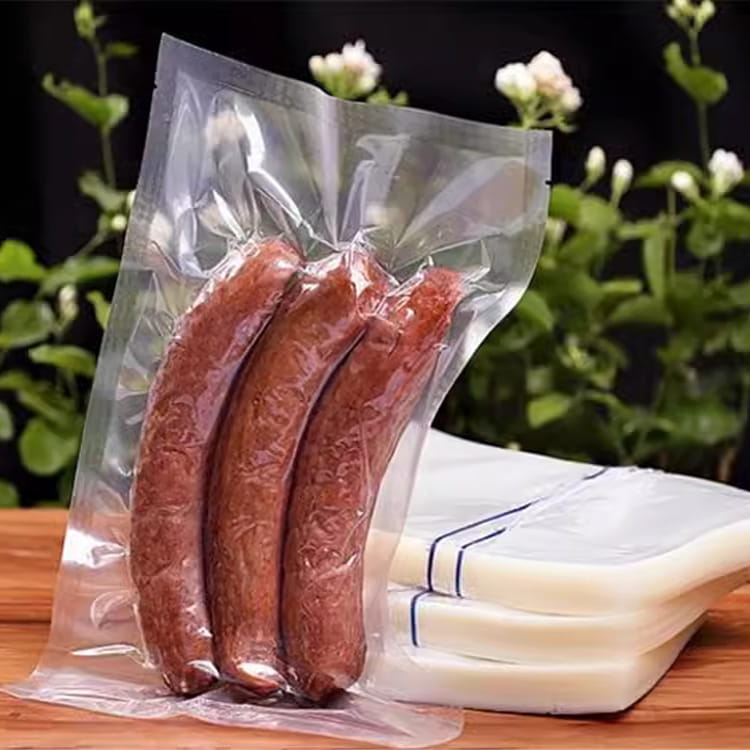
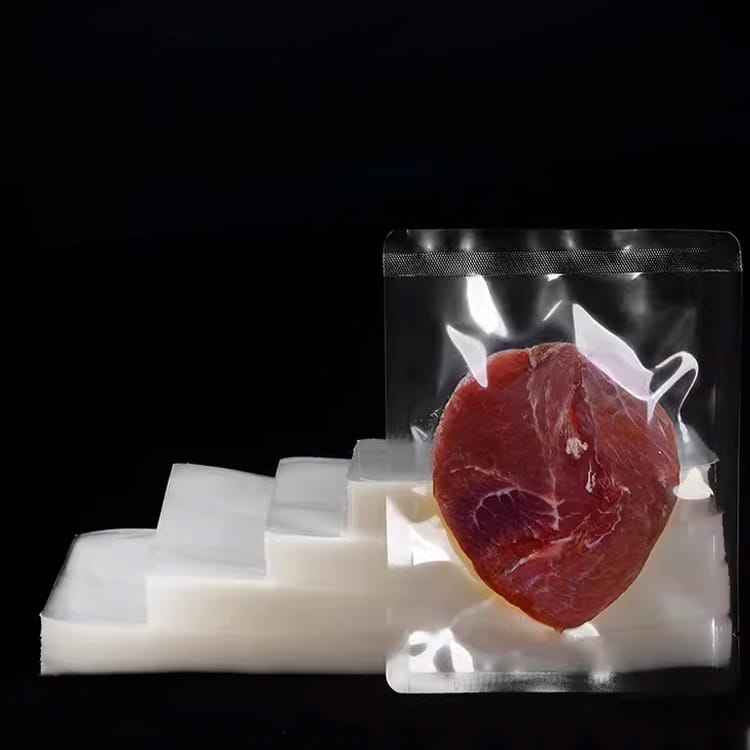
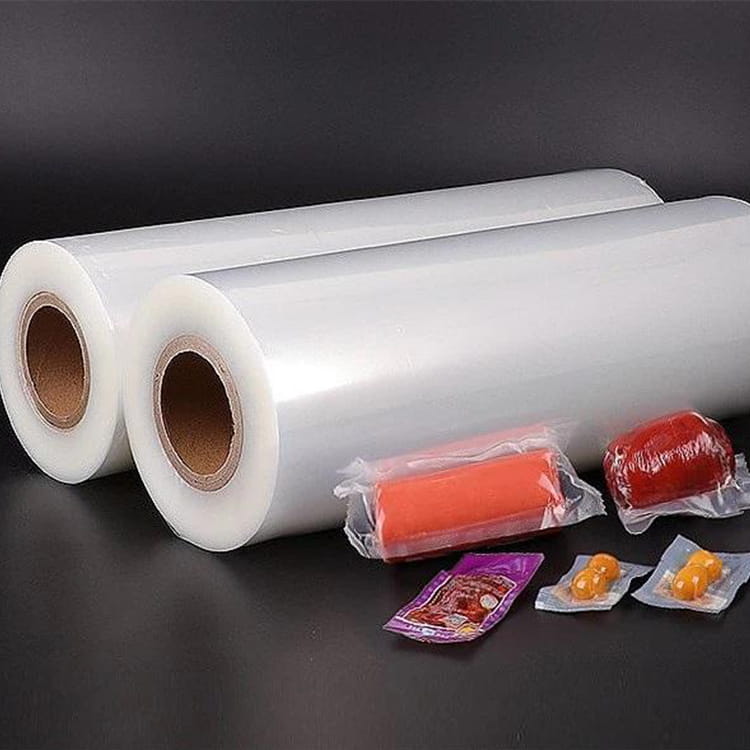
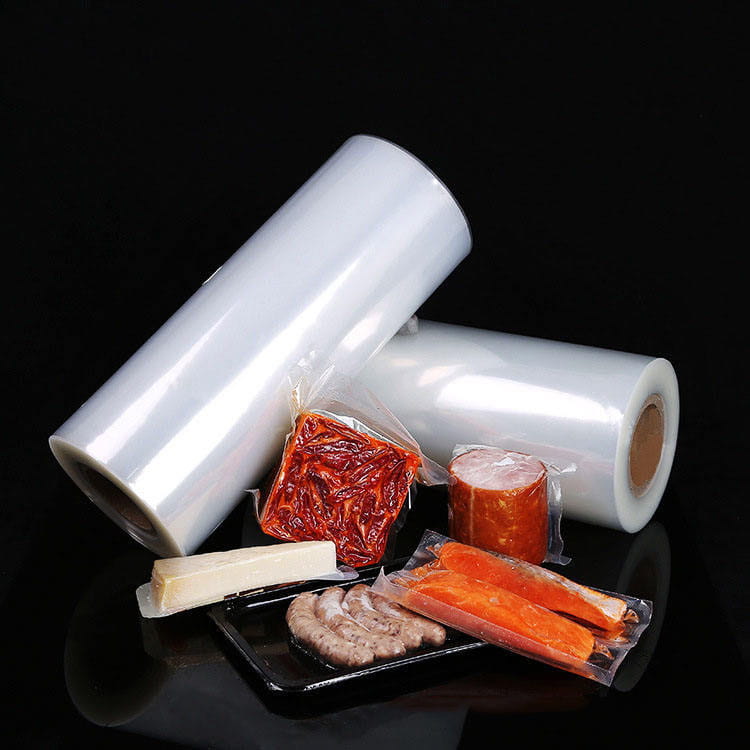
Fresh Food High-Barrier PE/PA Composite Vacuum Sealer Bag
  • Fresh Food High-Barrier PE/PA Composite Vacuum Sealer Bag
  • Fresh Food High-Barrier PE/PA Composite Vacuum Sealer Bag
  • Fresh Food High-Barrier PE/PA Composite Vacuum Sealer Bag
  • Fresh Food High-Barrier PE/PA Composite Vacuum Sealer Bag

Fresh Food High-Barrier PE/PA Composite Vacuum Sealer Bag

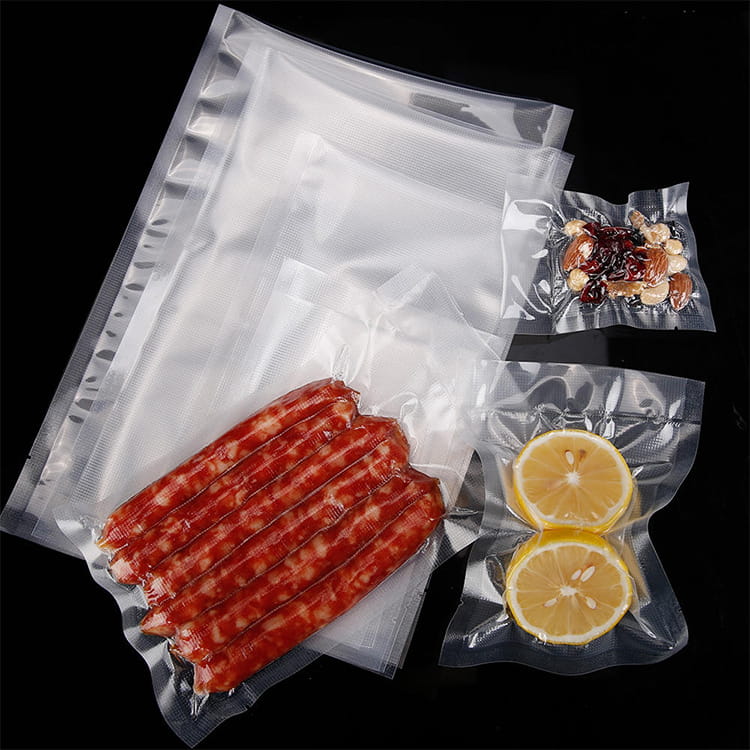
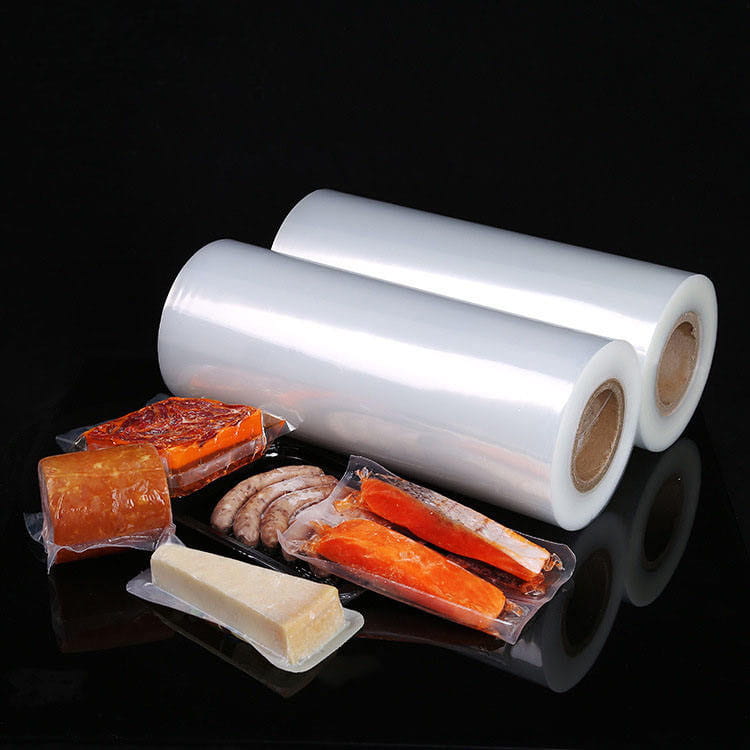
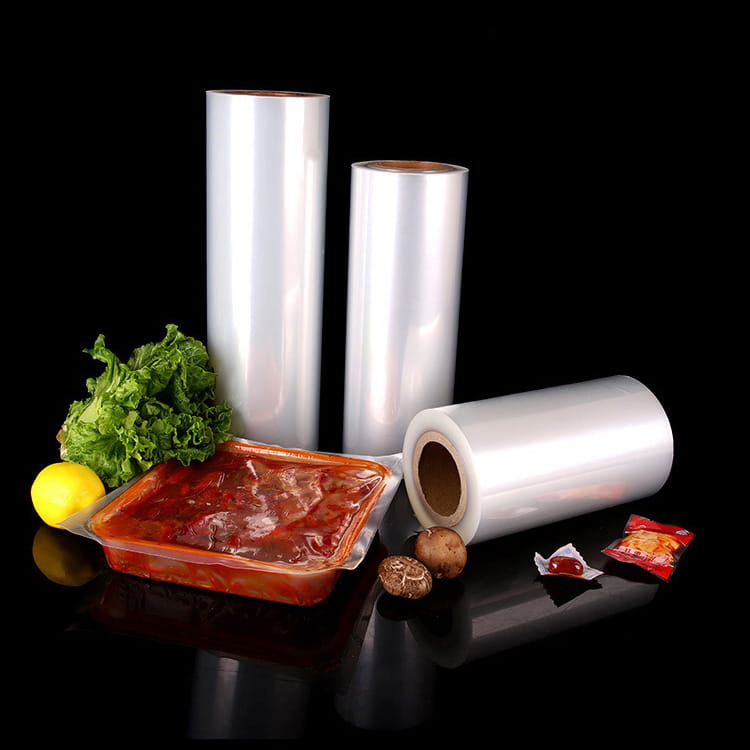
The Fresh Food High-Barrier PE/PA Composite Vacuum Sealer Bag is designed for vacuum packaging applications that demand reliable oxygen and moisture barrier performance. Constructed with a multi-layer structure combining polyethylene (PE) and polyamide (PA), the bag offers a balanced combination of flexibility, low-temperature toughness, and mechanical strength. It serves as a practical solution for extending the shelf life of fresh produce, meats, seafood, and prepared foods in both domestic and commercial settings.

The material composition leverages the inherent chemical stability and low-temperature resilience of PE, paired with the high mechanical strength and gas-barrier properties of PA. This synergy enables effective preservation of food quality by minimizing exposure to external contaminants and reducing oxidative degradation. The bag is compatible with a wide range of vacuum sealing equipment, supporting efficient packaging workflows from small-scale kitchen use to high-volume food processing operations.

CONTACT US

Material Composition & Structural Integrity

The bag features a co-extruded multi-layer architecture that synergizes the distinct functional properties of each polymer component. The outer layer, typically composed of biaxially oriented polyamide (BOPA) or polyester (PET), provides abrasion resistance and dimensional stability. The intermediate layer incorporates aluminum (ALU) or polyvinylidene chloride (PVDC) where enhanced light and gas barrier are required, while the inner food-contact layer uses polyethylene (PE) or polypropylene (PP) to ensure secure heat sealing and chemical inertness.

  • PE-based constructions (PE/PA or PE/RCPP) offer superior low-temperature toughness and seal strength, ideal for frozen food storage.
  • PET-based constructions (PET/PE or PET/RCPP) deliver higher thermal stability and better optical clarity for retail-ready packaging.
  • The composite design effectively resists delamination under vacuum pressure, ensuring consistent barrier performance over extended storage periods.

PE vs. PP Vacuum Bags – Comparative Analysis

Polyethylene (PE) and polypropylene (PP) are the two most commonly used inner-layer materials in vacuum-sealer bags. While both are safe for food contact and offer reliable sealing, their physical and chemical characteristics differ significantly, influencing their suitability for various storage conditions. The table below summarizes the key distinctions.

Property PE-Based Vacuum Bags PP-Based Vacuum Bags
Chemical Structure Polyethylene (−CH₂−)n – simple, linear polymer Polypropylene – semi-crystalline thermoplastic with methyl side groups
Low-Temperature Limit −70 °C to −100 °C – retains flexibility Approx. −20 °C – becomes brittle below this range
Heat Resistance Moderate – susceptible to thermal aging above 80 °C Higher – withstands temperatures up to 120 °C
Chemical Resistance Excellent against most acids and alkalis; insoluble in common solvents Resistant to organic solvents and acid/alkali corrosion
Mechanical Strength Good flexibility and impact resistance at low temperatures Superior impact strength and higher tensile modulus
Typical Applications Frozen meat, seafood, ice cream, and long-term deep-freeze storage Hot-fill products, retort packaging, and sous-vide cooking

Selecting between PE and PP constructions depends on the intended storage temperature, product acidity, and processing requirements. For most frozen-food applications, PE-based bags offer the widest operational window, while PP-based bags are preferred for heat-processed or high-temperature filling operations.

Thermal Performance & Low-Temperature Resilience

Temperature tolerance is a critical factor in vacuum-bag performance, especially for frozen-food logistics and sous-vide cooking. The PE/PA composite structure offers a broad service-temperature range that accommodates most cold-chain and moderate-heat applications.

  • Deep-freeze capability: PE-based bags remain flexible and impact-resistant down to −70 °C, preventing cracking or leakage during frozen storage and transport.
  • Heat-sealing window: The inner PE layer activates at temperatures between 120 °C and 160 °C, forming a hermetic seal that withstands thermal cycling without delamination.
  • Thermal aging consideration: While PE exhibits excellent low-temperature properties, prolonged exposure to temperatures above 80 °C may accelerate oxidative degradation; for high-heat applications, PP-based alternatives are recommended.

Chemical Stability & Barrier Efficiency

The composite construction provides robust protection against environmental factors that compromise food quality. The PE inner layer offers inherent resistance to dilute acids, alkalis, and saline solutions, while the PA or PET outer layers contribute additional barrier functionality.

  • Gas barrier: The PA layer significantly reduces oxygen transmission, slowing oxidative rancidity and preserving the natural aroma of sensitive foods such as cheeses and cured meats.
  • Moisture control: The multi-layer structure limits water-vapor permeation, preventing freezer burn and maintaining optimal humidity levels inside the package.
  • Chemical inertness: PE and PA are physiologically inert and do not leach harmful compounds into food, making them suitable for direct contact with acidic, fatty, and salty food matrices.

Application Versatility & Sealer Compatibility

The Fresh Food High-Barrier Vacuum Sealer Bag is engineered to perform across a wide range of food-preservation and preparation methods. Its material properties and dimensional stability ensure reliable operation with most commercially available vacuum-sealing equipment.

  • Sealer compatibility: Suitable for both external suction and chamber-style vacuum sealers, with textured or embossed surfaces that facilitate efficient air evacuation.
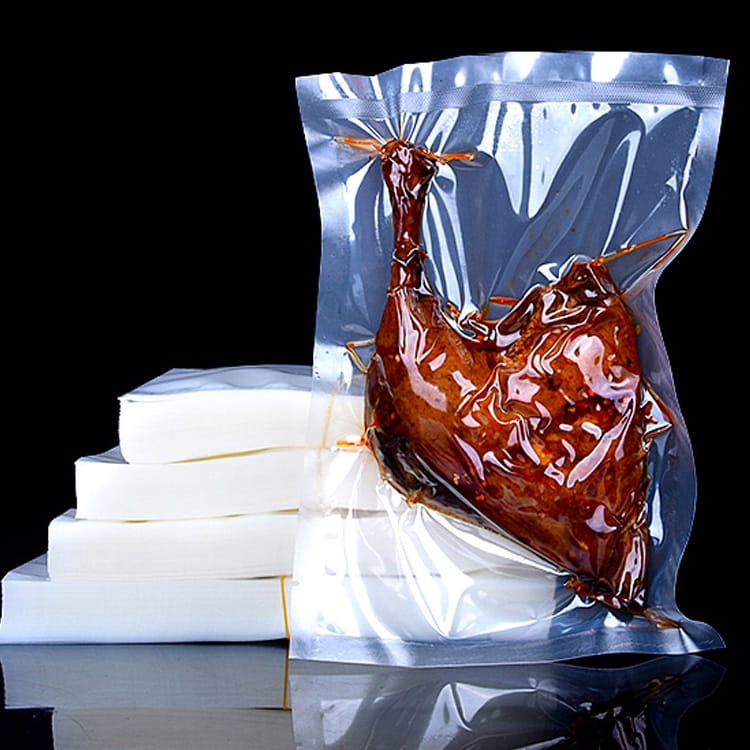
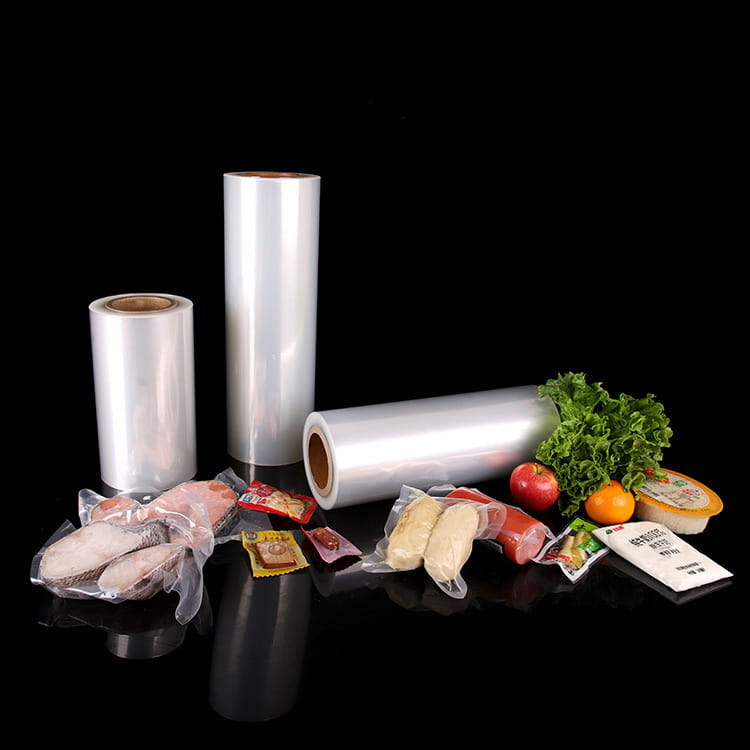
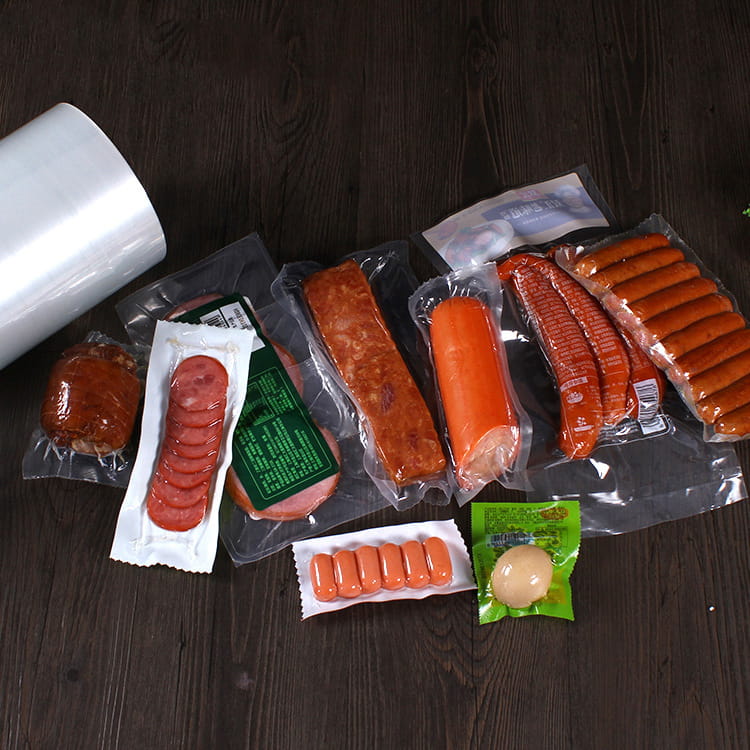
  • Food categories: Effectively packages raw meats, poultry, fish, vegetables, fruits, cheese, coffee, and dry goods; also supports marinade infusion and sous-vide cooking (within temperature limits).
  • Portion control: Available in multiple sizes to accommodate single-serving portions, bulk family packs, or commercial catering portions, reducing food waste and simplifying inventory management.

Frequently Asked Questions

Q1: What distinguishes PE/PA composite bags from single-layer polyethylene bags?

Single-layer PE bags offer basic sealing and moisture resistance but lack the structural strength and gas-barrier performance of multi-layer composites. The PA layer in PE/PA bags provides puncture resistance, tear strength, and reduced oxygen permeability, which significantly extends the shelf life of oxygen-sensitive foods. Additionally, the composite construction maintains its integrity under vacuum pressure, preventing pinhole formation that can compromise the seal.

Q2: Can these bags be used for sous-vide cooking?

Yes, PE/PA composite bags are suitable for sous-vide applications within the recommended temperature range. The PE inner layer forms a secure seal that withstands prolonged immersion in water baths up to 80 °C. For higher-temperature sous-vide preparations (above 80 °C), we recommend using PP-based bags, which offer superior thermal stability. Always ensure that the bag is properly sealed and that the water temperature does not exceed the material's rated limit.

Q3: What is the safe temperature range for storage and usage?

PE/PA vacuum bags are designed for reliable performance across a broad temperature spectrum. For frozen storage, they maintain flexibility and impact resistance down to −70 °C, making them ideal for deep-freeze applications. At the upper end, the bags can withstand short-term exposure to temperatures up to 100 °C during hot-filling or pasteurization processes. For continuous high-heat applications, such as boiling, a PP-based construction is recommended.

Q4: Are these vacuum bags certified for direct food contact?

Yes, the materials used in these vacuum bags—including PE, PA, and the adhesive layers—are selected from food-grade polymers that comply with international food-contact regulations. The inner PE layer is physiologically inert, non-toxic, and does not impart odors or flavors to the packaged food. The bags are manufactured under strict hygiene standards to ensure they are safe for direct contact with all types of food products.

Q5: How should the bags be sealed to ensure maximum vacuum integrity?

To achieve an optimal vacuum seal, ensure that the bag opening is clean, dry, and free from food debris or moisture before placing it in the sealer. Position the bag flat across the sealing bar and apply even pressure during the sealing cycle. For external suction sealers, allow sufficient clearance between the food and the seal line—typically at least 5 cm—to prevent liquid from being drawn into the vacuum pump. Double-sealing the opening can provide additional security for liquid-rich or heavy-load items.

Q6: Can these bags be washed and reused?

While the bags are primarily designed for single-use applications, they may be carefully washed and reused for dry, non-greasy items if the seal remains intact. To reuse, turn the bag inside out, wash with mild detergent and warm water, rinse thoroughly, and air-dry completely. However, reuse is not recommended for raw meat, seafood, or any product with high bacterial load, as residual contamination may compromise food safety. For best hygiene and performance, we recommend using a fresh bag for each new food item.

Q7: What types of vacuum sealing machines are compatible with these bags?

These vacuum bags are compatible with most household and commercial vacuum sealers, including both external suction-type sealers and chamber vacuum machines. The bags feature a textured or embossed surface that facilitates air channeling during evacuation, ensuring efficient vacuum extraction even with moist or irregularly shaped contents. Always check the sealer's heat-bar settings and adjust according to the bag thickness to achieve a complete and durable seal.

Inquiry
  • Drag & drop your files here or choose files

    5 MB max file size

Changxi Packaging Technology (Yixing) Co., Ltd

About Us

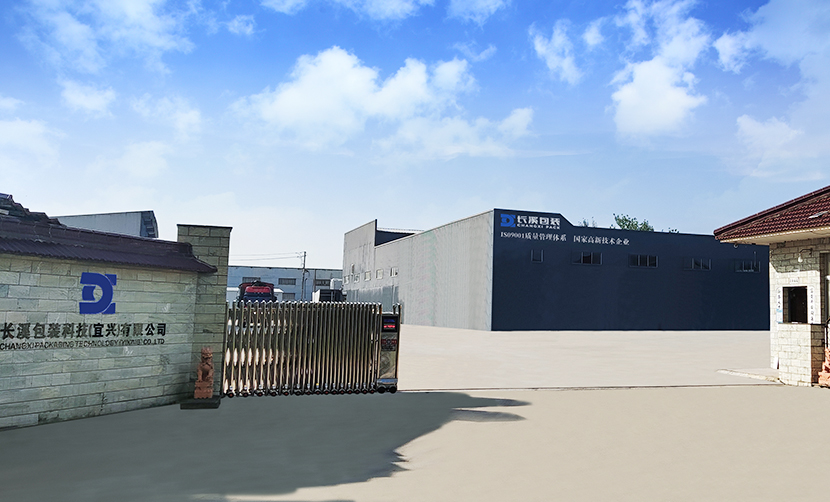
Changxi Packaging Technology (Yixing) Co., Ltd is China Wholesale Vacuum Bags Manufacturers and Vacuum Sealer Bags Suppliers integrating R&D, production, sales, and services. Since its establishment in 2014, the company has adhered to the principles of technological innovation and excellence in quality, focusing on the R&D and production of multi-layer co-extruded high-barrier films and functional packaging materials.
The company is equipped with advanced production equipment and fully enclosed, high-cleanliness production workshops, with an annual production capacity of up to 10,000 tons. It boasts four multi-layer co-extrusion blown film production lines, multiple high-speed slitting units, and fully automated bag-making production lines, ensuring the ability to meet the personalized needs of different customers. We offer Vacuum Food Sealer Bags for sale.
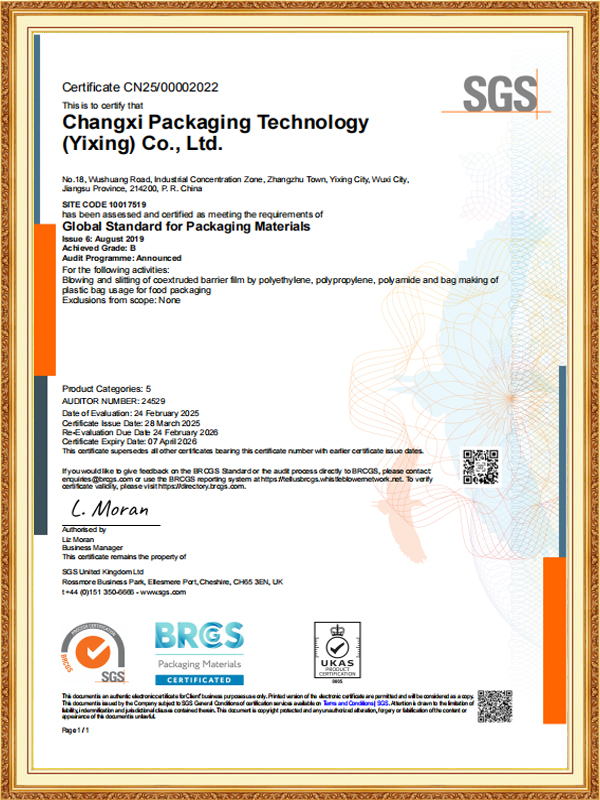
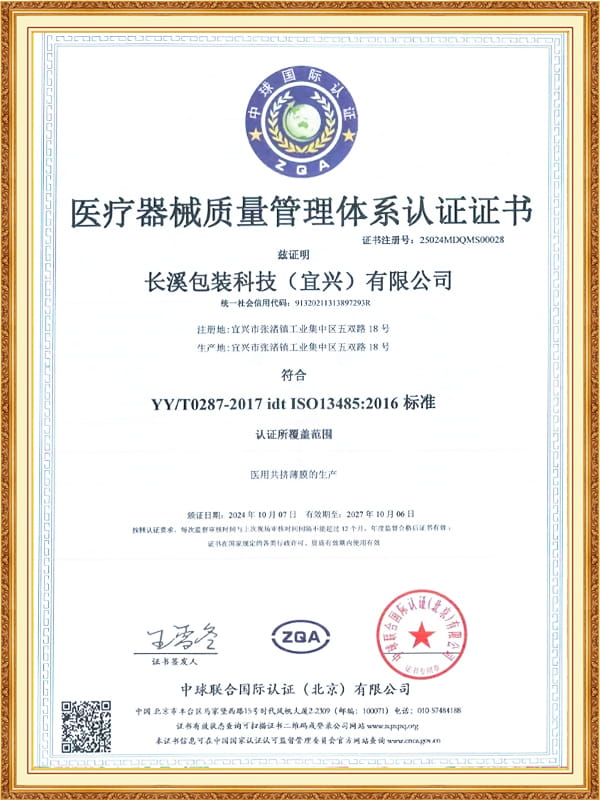
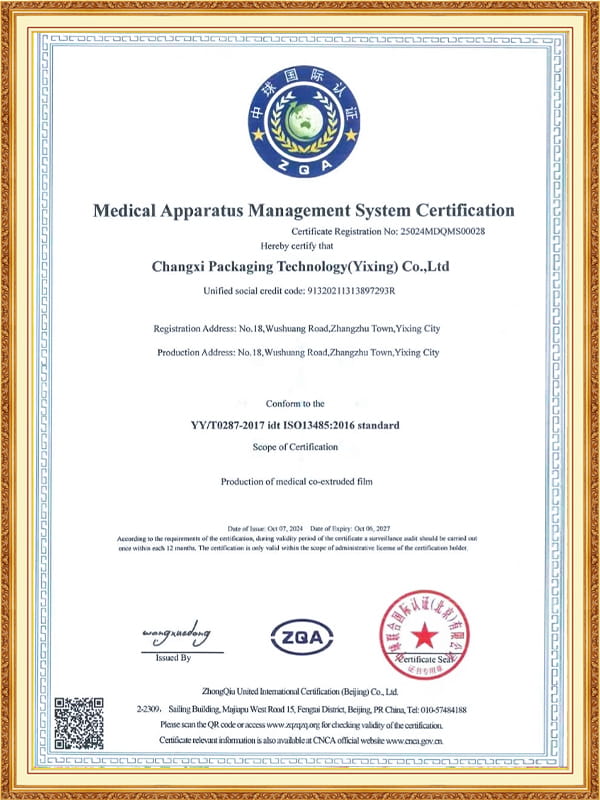
The company has passed ISO 9001 quality management system certification, QS quality safety certification, and complies with U.S. FDA standards, ensuring product safety and reliability through a strict quality management system.

Honor

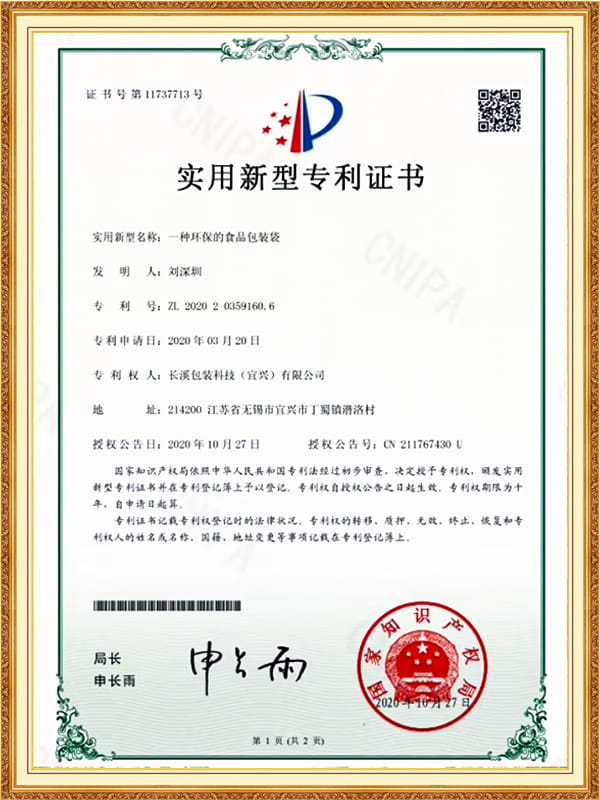
  • Certificates
  • Certificates
  • Certificates
  • Certificates
  • Honor

News

Fresh Food High-Barrier PE/PA Composite Vacuum Sealer Bag Industry knowledge

What materials are the vacuum food sealing bags used mainly made of? Do these materials have good oxygen, water vapor and odor barrier capabilities?

The vacuum food sealing bags produced by Changxi Packaging Technology (Yixing) Co., Ltd. mainly use a variety of high-performance materials including PBOPA (polyamide/polyethylene co-extruded film), ALU (aluminum foil), CPP (cast polypropylene), BOPP (biaxially oriented polypropylene), PE (polyethylene), PET (polyethylene terephthalate) and PVDC (polyvinylidene chloride). These materials are selected based on their unique physical and chemical properties and precise matching with food packaging needs.
PBOPA: Combining the high strength and good barrier properties of polyamide (PA) with the flexibility and processability of polyethylene (PE), it is particularly suitable for packaging that requires high barrier properties and effectively blocks the penetration of oxygen, water vapor and odor.
ALU (aluminum foil): Known for its excellent insulation properties, it can completely block the penetration of light, oxygen, water vapor and most gases, and is an ideal choice for keeping food fresh and extending its shelf life.
CPP: It has good heat sealing and transparency, and also has certain barrier properties. It is often used in multi-layer composite structures to enhance the sealing and mechanical strength of the overall packaging.
BOPP: Due to its high transparency, glossiness and good mechanical strength, it is often used in packaging that needs to display the appearance of the product, and also has certain water vapor barrier capabilities.
PE: Polyethylene is widely used in food packaging because of its non-toxicity, odorlessness, excellent low temperature resistance and low cost, especially as the inner layer or sealing layer in a multi-layer structure, providing good flexibility and heat sealing.
PET: It has high mechanical strength, transparency and heat resistance, has good barrier effect on oxygen and water vapor, and is one of the commonly used materials for making vacuum bags.
PVDC: Polyvinylidene chloride has extremely high barrier properties, especially for oxygen, water vapor and various gases and odors, and is the preferred material for high-end food packaging.
Among the above materials, PE and PP are important components of vacuum bags. Although their barrier properties have their own characteristics, Changxi Packaging Technology focuses more on using high-performance composite materials, such as PBOPA, PET/PE or PET/RCPP (RCPP is modified polypropylene, which improves the heat sealing performance of polypropylene) to achieve the best barrier effect.
Oxygen barrier: Materials such as PBOPA, ALU and PVDC can effectively prevent oxygen from entering the packaging, slow down the oxidation process of food, and extend the shelf life.
Water vapor barrier: Materials such as ALU, PET and PVDC have particularly outstanding barrier properties to water vapor, which can effectively prevent food from drying due to water loss or deteriorating due to excessive humidity.
Odor barrier: High-quality composite materials such as PBOPA and PVDC can effectively isolate the contamination of food by external odors and maintain the original flavor of food.
Changxi Packaging Technology (Yixing) Co., Ltd. not only strives for excellence in material selection, but also reflects its professional advantages in production processes and quality control:
Strict supplier screening and testing: The company strictly implements the screening and review of raw material suppliers to ensure that all materials meet food safety standards. Through incoming material testing and comparison, we ensure that the performance of each batch of materials is stable and consistent.
Advanced production technology and process control: Through fine production process design and strict process control, each batch of products can achieve a high degree of stability and traceability, ensuring the consistency and reliability of product quality.
Efficient supply chain and logistics system: The company has sufficient production capacity and a stable supply of raw materials. Combined with a complete ERP system and an efficient operation mechanism, it ensures a quick response from ordering to delivery, which can usually be delivered within 7 days.
Seamless after-sales service: Changxi Packaging has an after-sales service team composed of technical backbones, providing 24-hour tracking service. By regularly visiting customers, collecting feedback, solving customer problems in a timely manner, and establishing a customer file system, we ensure efficient and thoughtful after-sales service.