

 English
 عربى
عربى


Introduction: The Evolving Landscape of Food Packaging Films
The global food packaging industry is undergoing a significant transformation, driven by consumer demand for convenience, extended shelf life, and sustainable materials. At the heart of this evolution are advanced film technologies, particularly thermoforming film and easy peeling lidding film. These materials are no longer just protective layers; they are integral components of modern packaging strategies that enhance product presentation, ensure food safety, and improve user experience.
This article delves into the technical nuances, market trends, and practical applications of these innovative films. We will explore why PE easy-to-peel thermoforming top and bottom film solutions are gaining traction among lidding film manufacturers and how they address key challenges in the food sector. By examining data-driven insights and emerging technologies, we aim to provide a comprehensive overview for packaging professionals seeking to optimize their operations.
Market Dynamics and Growth Drivers
The demand for high-performance packaging films is rising sharply. According to recent industry analyses, the global lidding film market is projected to grow at a compound annual growth rate (CAGR) of over 5% from 2024 to 2030. This growth is fueled by the expansion of the ready-to-eat (RTE) meal sector and the increasing preference for packaging solutions that offer both convenience and sustainability. Lidding film suppliers are responding by innovating with materials that reduce waste and improve recyclability.
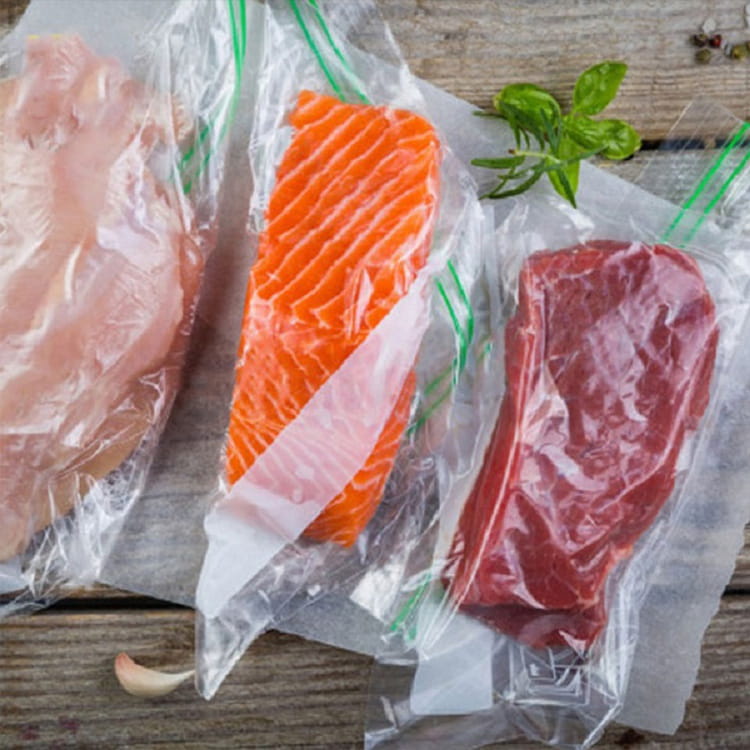
In parallel, the vacuum skin packaging film segment is experiencing robust demand, particularly in premium meat and seafood applications. This technology extends product shelf life by up to 50% compared to traditional packaging, a critical factor in reducing food waste. The following chart illustrates the projected market growth for key packaging film types over the next five years.
The data clearly indicates that thermoforming film and lidding film are poised for significant adoption, driven by their versatility and performance. Lidding film manufacturers are investing heavily in R&D to create materials that cater to evolving regulatory standards and consumer preferences.
Technical Specifications and Material Innovations
Modern thermoforming top and bottom film systems are engineered for precision and reliability. The core of these systems lies in the material selection, which typically involves multi-layer co-extrusion structures. A standard PE easy-to-peel thermoforming top and bottom film might consist of a rigid forming web (bottom) and a flexible, peelable sealing web (top). The forming web often includes EVOH (ethylene vinyl alcohol) for oxygen barrier, while the sealing layer incorporates specialized polymers that facilitate controlled peel strength.
Key technical parameters for high-performance films include:
- Seal Initiation Temperature (SIT): The minimum temperature at which a seal can be formed. Advanced films offer SIT as low as 80°C, enabling high-speed packaging.
- Peel Force Consistency: Measured in N/15mm, this determines the ease of opening. For easy peeling lidding film, a consistent peel force between 1.5 and 3.0 N/15mm is ideal.
- Oxygen Transmission Rate (OTR): Crucial for shelf life. Premium films achieve OTR values below 1 cc/m²/day.
Advancements in anti-fog lidding film technology have also been noteworthy. These films incorporate surfactants that migrate to the surface, reducing surface tension and preventing condensation. This ensures that the product remains visible and appetizing throughout its shelf life. Skin packaging film suppliers are increasingly integrating anti-fog properties into their offerings to meet the demands of high-moisture food products.
Comparative Performance Analysis
To illustrate the performance differences among common packaging films, we have compiled a comparison across six critical parameters: Oxygen Barrier, Moisture Barrier, Seal Strength, Peel Ease, Clarity, and Machinability. The radar chart below visualizes how a typical high-performance PE easy-to-peel thermoforming top and bottom film compares with conventional alternatives.
The radar chart demonstrates that the PE easy-to-peel thermoforming top and bottom film (blue area) offers a more balanced performance profile, with superior oxygen barrier and peel ease characteristics compared to conventional films (red area). This balance is crucial for applications requiring both long shelf life and consumer convenience.
Horizontal Bar Chart: Key Performance Indicators
The horizontal bar chart above highlights the superior performance metrics of modern easy peeling lidding film solutions. These quantitative indicators are essential for lidding film suppliers and packaging engineers when selecting materials for specific applications.
Application Process and Workflow
Implementing thermoforming film solutions in a packaging line requires a systematic approach. The following flowchart outlines the typical process from film selection to final package sealing.
Understanding this workflow is critical for packaging engineers. Each step must be optimized to ensure that the final package meets both functional and aesthetic standards. For vacuum skin packaging film, the process often includes an additional evacuation step to remove air and create a tight skin over the product, which further enhances shelf life.
Sustainability and Circular Economy Trends
Sustainability is a major driver of innovation in the packaging film industry. Lidding film manufacturers are increasingly focusing on developing mono-material structures that are easier to recycle, moving away from multi-material laminates that are difficult to separate. The shift towards PE-based solutions, such as the PE easy-to-peel thermoforming top and bottom film, is a direct response to this demand. PE is widely recyclable and offers a lower carbon footprint compared to other polymers.
Additionally, the adoption of anti-fog lidding film with bio-based additives is on the rise. These films not only improve product visibility but also align with the growing consumer preference for environmentally responsible packaging. A recent survey indicated that over 65% of consumers are willing to pay a premium for products with sustainable packaging, underscoring the commercial importance of these innovations.
Practical Applications and Industry Use Cases
Innovative film technologies are being deployed across various food categories. In the ready-to-eat meal segment, easy peeling lidding film is used to seal trays, providing consumers with a clean and effortless opening experience. This is particularly important for on-the-go products where convenience is paramount. Data shows that packaging with easy-peel features increases repurchase intent by up to 20%.
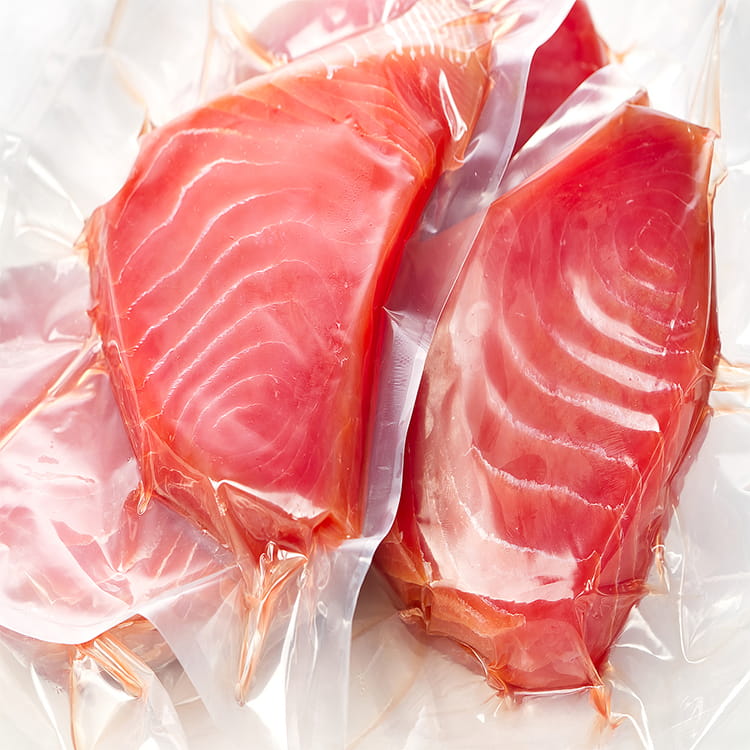
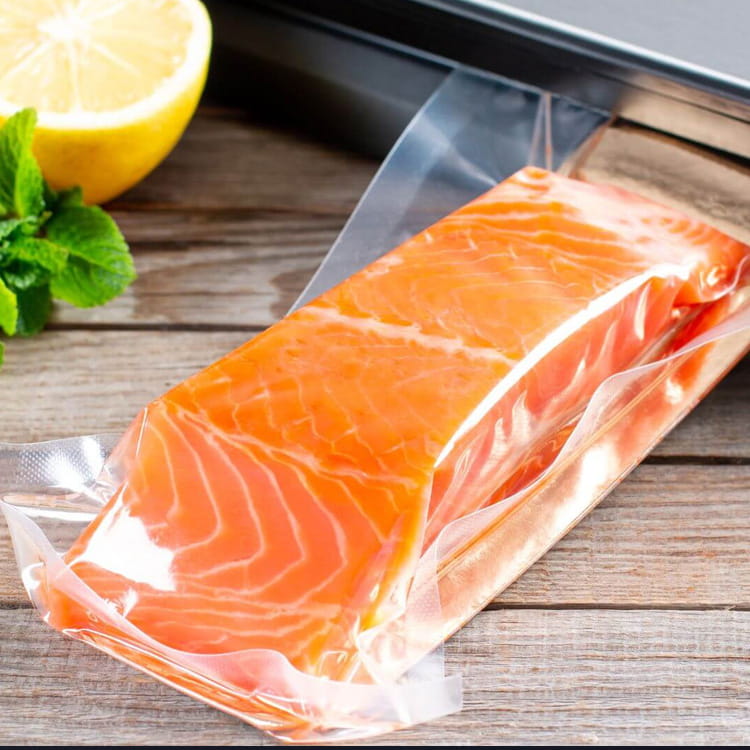
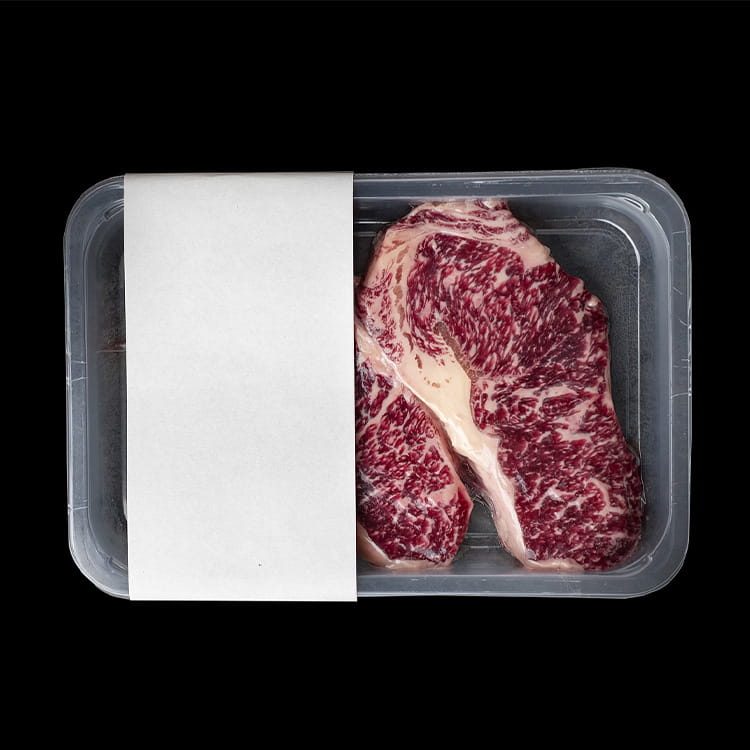
In the fresh meat and seafood sector, vacuum skin packaging film is preferred for its ability to minimize purge loss and retain product juices. By tightly adhering to the product surface, these films eliminate air pockets, reducing oxidation and preserving color and texture. Skin packaging film suppliers have reported that their clients achieve a 30% reduction in food waste due to improved preservation.
Furthermore, the use of thermoforming film in dairy packaging, such as for cheese and yogurt, is growing. The films provide a robust barrier against moisture and oxygen, ensuring product freshness and extending shelf life by several weeks compared to conventional wraps.
Frequently Asked Questions (FAQ)
Q1: What is the difference between thermoforming film and lidding film?
Thermoforming film is typically used as the bottom web in a packaging process. It is heated and shaped into a cavity to hold the product. Lidding film, on the other hand, is used as the top web to seal the package. In a complete system, the PE easy-to-peel thermoforming top and bottom film can serve as both components, offering a unified solution.
Q2: Why is easy-peel lidding film important for food packaging?
Easy-peel lidding film enhances consumer convenience by allowing the package to be opened effortlessly without tearing. This is crucial for maintaining product integrity and ensuring a positive user experience. It also reduces the risk of spillage, which is a common issue with difficult-to-open packages.
Q3: How does anti-fog lidding film work?
Anti-fog lidding film incorporates surface-active agents that reduce the surface tension of water droplets. This prevents condensation from forming on the film's surface, ensuring that the product remains visible. This feature is essential for fresh produce and refrigerated foods where temperature fluctuations are common.
Q4: What are the benefits of using PE-based packaging films?
PE-based films, such as the PE easy-to-peel thermoforming top and bottom film, offer excellent sealing properties, flexibility, and recyclability. They are also cost-effective and provide a good balance of barrier properties for many food applications. Their compatibility with existing recycling streams makes them a sustainable choice.
Q5: How do I select the right lidding film supplier?
When selecting a lidding film supplier, consider factors such as material quality, technical support, customization capabilities, and sustainability credentials. The best lidding film suppliers will offer comprehensive data sheets, application engineering support, and a commitment to environmental responsibility. They should also be able to provide samples and conduct trials to ensure compatibility with your packaging equipment.