

 English
 عربى
عربى


Selecting the right frozen food packaging materials is a critical decision that directly impacts product quality, shelf life, and consumer satisfaction. Freezer burn remains one of the most persistent challenges in the frozen food industry, causing texture degradation, flavor loss, and unsightly discoloration. This comprehensive guide examines the science behind freezer burn, evaluates various packaging solutions, and provides actionable insights for choosing optimal materials that maintain product integrity throughout the frozen supply chain.
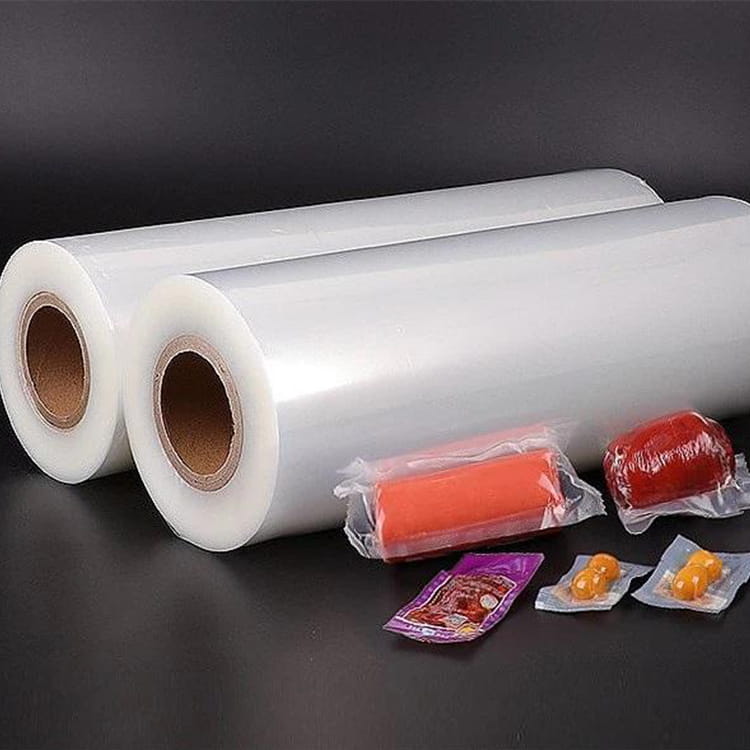
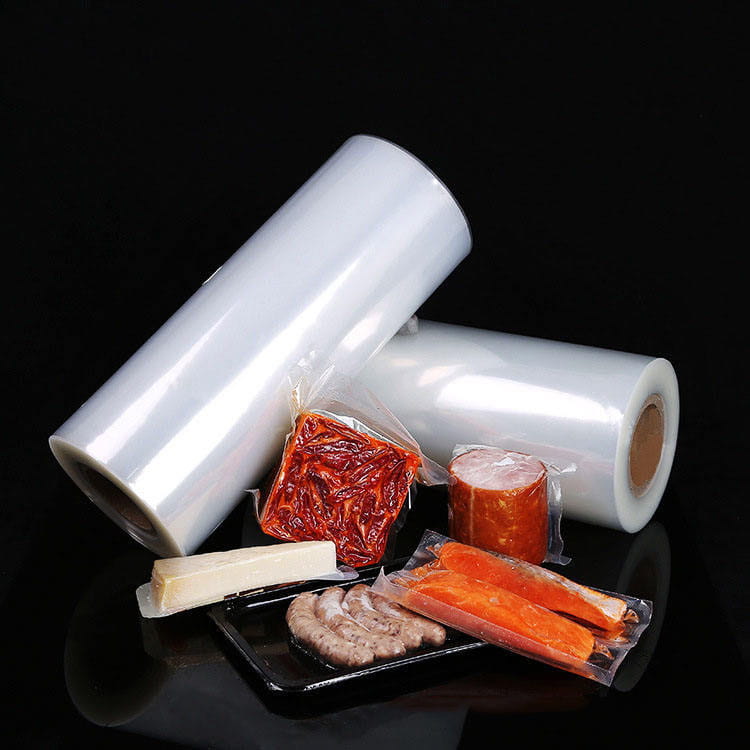
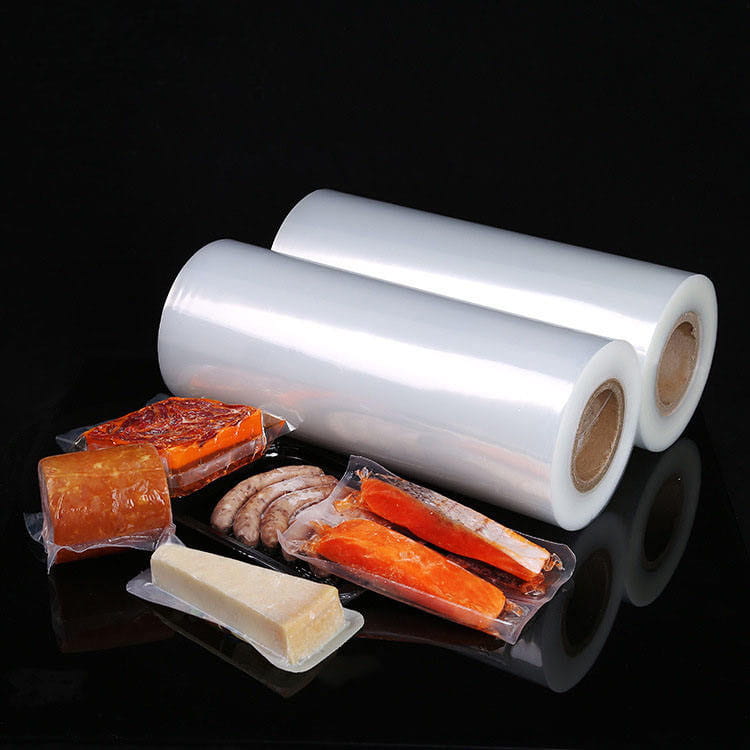
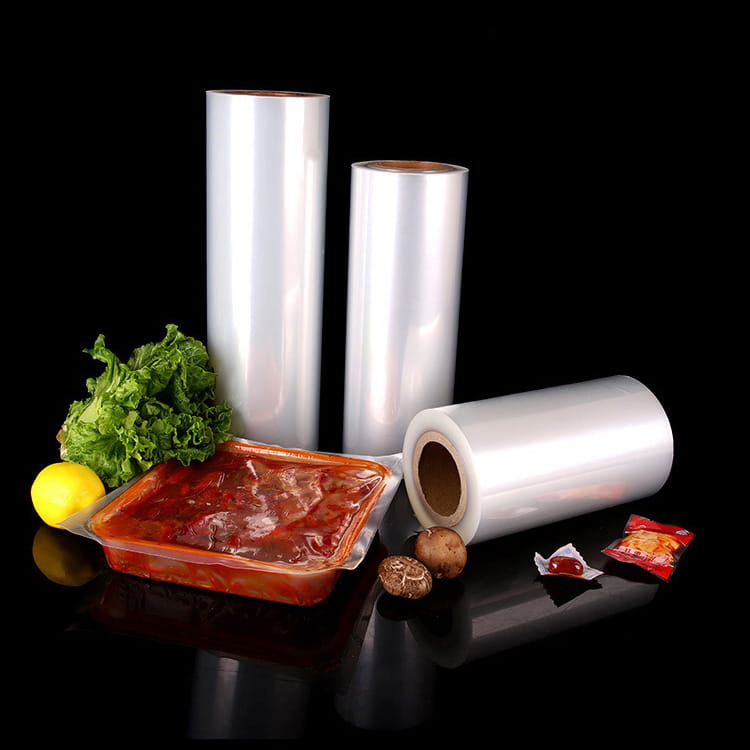
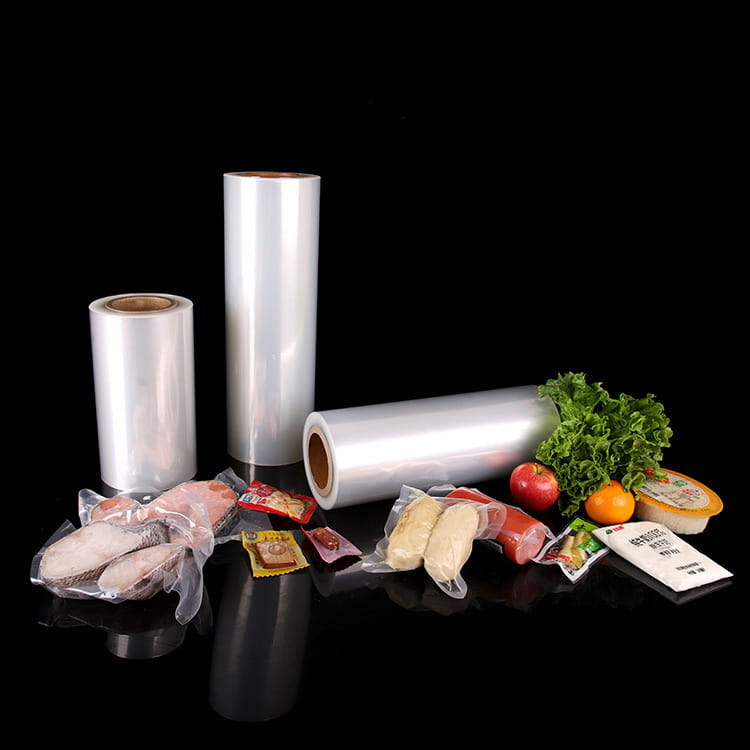
Key Insight: The global frozen food packaging market is projected to reach $XX billion by 2027, driven by increasing demand for convenience foods and extended shelf life. Among all packaging failures, freezer burn accounts for nearly 30% of quality complaints in frozen products, making material selection a top priority for High Transparent Multi-Layer Co-Extruded High Barrier Frozen Plastic Film and similar advanced solutions.
of frozen food quality issues relate to improper packaging
layers in advanced coextruded films for maximum protection
low-temperature resistance of premium frozen films
Understanding Freezer Burn: Causes and Consequences
Freezer burn occurs when frozen food loses moisture through sublimation, leaving dehydrated, oxidized areas with a dry, leathery texture and off-flavors. This phenomenon is not a safety hazard but significantly diminishes eating quality, leading to consumer complaints and product waste. The primary culprit is improper packaging for frozen foods that fails to provide an adequate moisture and oxygen barrier.
The Science Behind Sublimation and Oxidation
When food is frozen, ice crystals form within the cellular structure. Over time, if the packaging allows air circulation, these ice crystals sublimate directly from solid to vapor, bypassing the liquid phase. This moisture loss creates porous, dehydrated zones. Simultaneously, oxygen penetration triggers oxidative rancidity in fats and discoloration in pigments, compounding the quality deterioration.
Critical Factors Influencing Freezer Burn:
- Packaging oxygen transmission rate (OTR) exceeding 10 cc/m²/day
- Water vapor transmission rate (WVTR) above 1 g/m²/day
- Inadequate sealing that permits air ingress
- Temperature fluctuations during storage and transport
- Physical damage to packaging layers
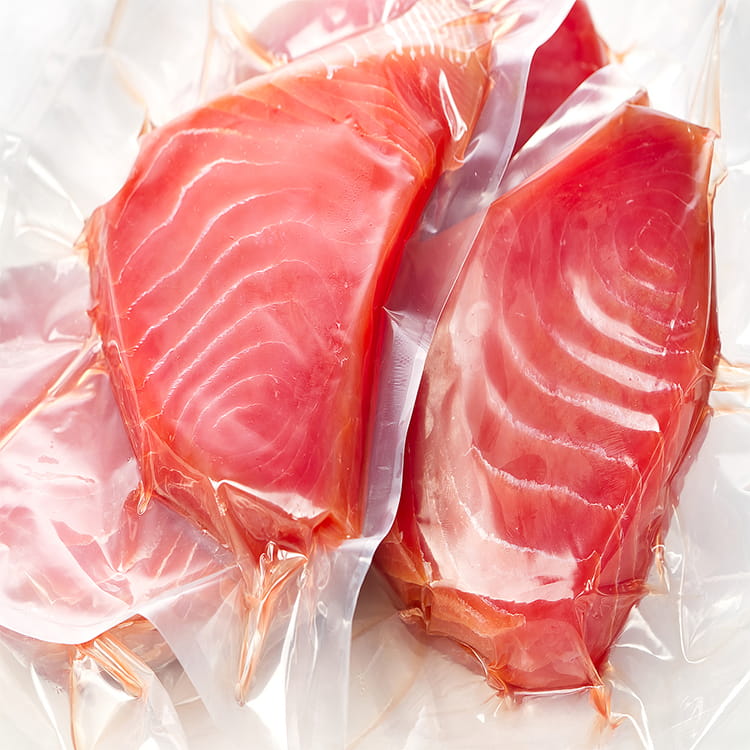
Data from industry studies indicate that frozen vegetables stored in standard polyethylene bags show visible freezer burn within 4-6 months, while products using advanced 7 Layers Clear Food Vacuum Sealer Bags for Freeze Dried Foods maintain quality for 12-18 months under identical conditions. This dramatic difference underscores the importance of material science in frozen packaging.
The chart above illustrates quality degradation curves for different frozen packaging types. Products stored in standard polyethylene lose over 50% of quality scores within 6 months, while high-barrier 7-layer films maintain 80% quality even at 12 months.
Why Multi-Layer Coextrusion Matters in Frozen Food Packaging
Multi-layer coextrusion has revolutionized frozen food packaging materials by combining distinct polymer layers into a single, unified film. Each layer serves a specific function: barrier, sealant, structural support, or optical enhancement. The synergy between layers creates performance characteristics impossible to achieve with monolayer films.
Layer Functionality in 7-Layer Coextruded Films
Advanced 7-layer structures typically assign each layer a targeted role:
- Layer 1 (Outer): High-gloss polyester or nylon for printability and puncture resistance
- Layer 2 (Barrier): Ethylene vinyl alcohol (EVOH) for exceptional oxygen barrier
- Layer 3 (Adhesive): Tie resin to bond incompatible polymers
- Layer 4 (Core): Nylon or polyamide for mechanical strength and low-temperature toughness
- Layer 5 (Adhesive): Secondary tie layer for structural integrity
- Layer 6 (Barrier): Additional EVOH or specialized barrier resin
- Layer 7 (Inner Sealant): Linear low-density polyethylene (LLDPE) for heat sealability and food contact safety
This architecture delivers oxygen transmission rates as low as 0.5 cc/m²/day and water vapor transmission rates below 0.3 g/m²/day, effectively creating a fortress against freezer burn. High Transparent Multi-Layer Co-Extruded High Barrier Frozen Plastic Film exemplifies this technology, offering clarity, flexibility, and protection in a single, cost-effective solution.
Critical Material Properties for Frozen Packaging
Selecting the right frozen food packaging materials requires evaluating multiple performance parameters. The most successful solutions balance barrier effectiveness, mechanical durability, optical clarity, and economic feasibility. Understanding these properties helps purchasers make informed decisions when evaluating frozen food packaging suppliers.
Oxygen Transmission Rate (OTR)
OTR measures the volume of oxygen passing through a film over time. For frozen applications, an OTR below 5 cc/m²/day is generally acceptable for products with moderate fat content. However, oxygen-sensitive items like fish, nuts, or prepared meals with oils require OTR below 1 cc/m²/day. Seven-layer coextruded films incorporating EVOH achieve OTR as low as 0.3 cc/m²/day, effectively preventing oxidative rancidity.
Water Vapor Transmission Rate (WVTR)
WVTR indicates moisture permeability. To prevent freezer burn, WVTR should not exceed 0.5 g/m²/day for products stored beyond 6 months. Premium coextruded frozen film structures achieve WVTR of 0.2 g/m²/day, creating an effective moisture barrier that preserves texture and prevents ice crystal growth.
Low-Temperature Impact Resistance
Frozen packaging must remain flexible and impact-resistant at temperatures as low as -40°C. Nylon-based layers provide superior low-temperature toughness, preventing brittle failure during handling and transport. Films without adequate low-temperature performance crack or shatter, compromising seal integrity and barrier properties.
Optical Clarity and Transparency
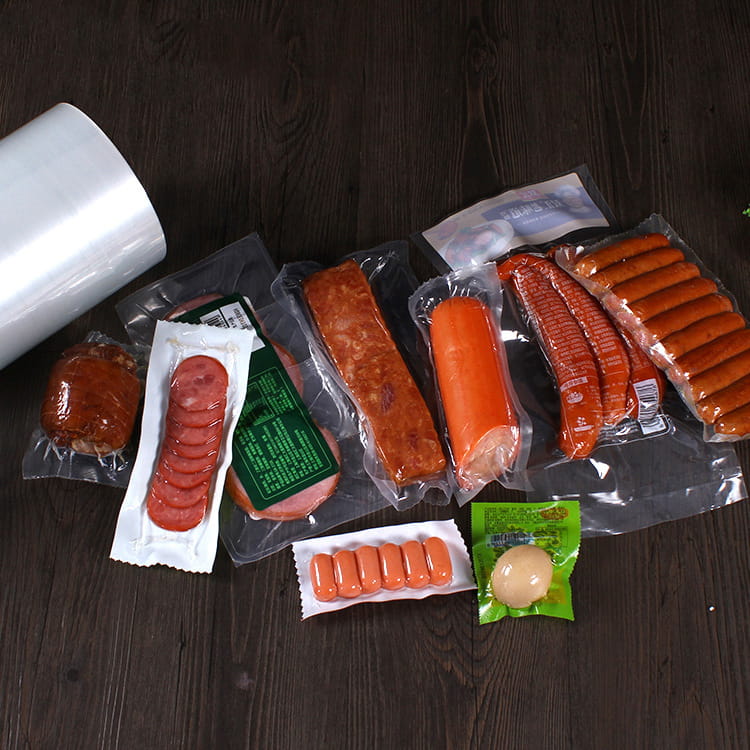
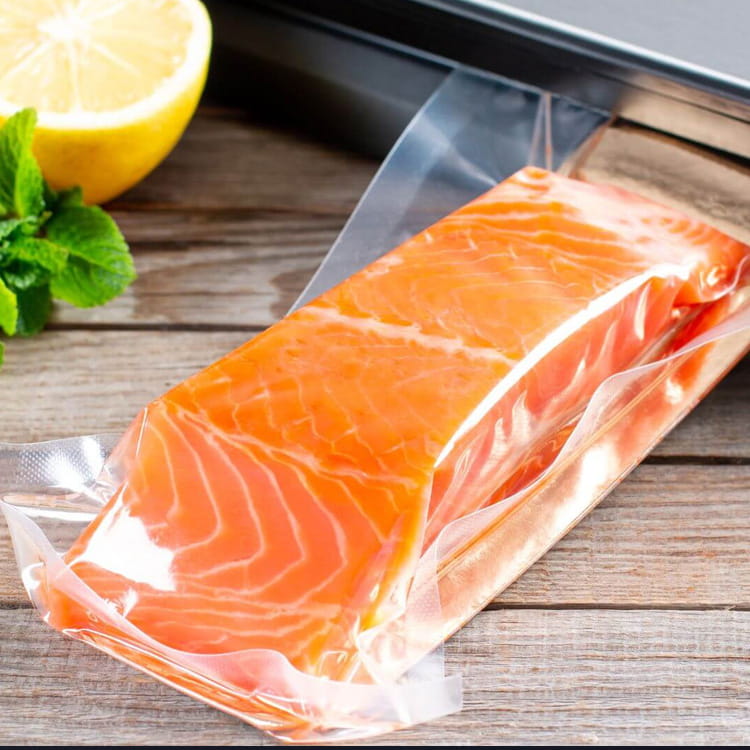
Consumer appeal often depends on product visibility. 7 Layers Clear Food Vacuum Sealer Bags for Freeze Dried Foods offer exceptional transparency with haze values below 5%, allowing consumers to inspect product quality without opening the package. High clarity also facilitates automated inspection systems in production lines.
How to Evaluate Frozen Food Packaging Suppliers
Selecting reliable frozen food packaging suppliers requires systematic evaluation of technical capabilities, quality systems, and supply chain reliability. Frozen food packaging companies that prioritize R&D and quality control deliver consistent performance across production batches. When assessing potential partners, consider the following criteria:
- Material Certification: Suppliers should provide FDA and EU food contact compliance documentation
- Testing Capabilities: In-house laboratories for OTR, WVTR, and mechanical property testing
- Customization Options: Ability to tailor layer structures, thickness, and width to specific applications
- Production Scale: Capacity to meet volume requirements without compromising quality
- Quality Management: ISO 9001 and FSSC 22000 certifications indicate robust systems
Industry Best Practice: Conduct annual audits of frozen food packaging suppliers to verify material consistency. Request certificate of analysis (CoA) for each shipment, including OTR, WVTR, and seal strength data. Leading frozen food packaging companies maintain statistical process control (SPC) charts for critical parameters, ensuring batch-to-batch uniformity.
Puncture-Proof Vacuum Bags for Freeze-Dried Applications
Freeze-dried foods present unique packaging challenges due to their porous structure and extreme fragility. Puncture-proof vacuum bags are essential to protect these delicate products from physical damage and moisture ingress. Unlike traditional frozen foods, freeze-dried items require exceptional oxygen and moisture barriers to maintain their crispy texture and extended shelf life.
Dedicated freeze-dried food packaging solutions incorporate specialized nylon layers that resist puncture from sharp edges of freeze-dried fruits, vegetables, or meat pieces. The vacuum sealing process removes air, minimizing oxidation and preventing rehydration during storage. Advanced 7-layer films offer the ideal combination of puncture resistance, barrier performance, and optical clarity for premium freeze-dried products.
When selecting puncture-proof vacuum bags for freeze-dried applications, consider the following performance metrics:
- Dart impact strength exceeding 150 grams
- Elmendorf tear resistance above 500 grams in both directions
- OTR below 0.5 cc/m²/day to preserve volatile flavors
- WVTR below 0.2 g/m²/day to prevent rehydration
- Heat seal strength of at least 30 N/15mm to withstand vacuum processing
Low-Temperature Resistant Film: Performance at Extreme Conditions
Low-temperature resistant film is engineered to maintain mechanical integrity and barrier performance in sub-zero environments. Standard films often become brittle at -20°C, developing micro-cracks that compromise barrier properties. Advanced coextruded structures incorporate polyamide and specialized polyolefins that retain flexibility and impact resistance down to -60°C.
For products stored in industrial freezers or transported via cold chain logistics, low-temperature resistance is non-negotiable. Films without adequate low-temperature performance exhibit the following failures:
- Brittle fracture during handling, causing pinholes and leaks
- Delamination between layers due to differential thermal expansion
- Seal failure at frozen temperatures, leading to package integrity loss
- Increased oxygen and moisture permeation through cracked layers
Premium low-temperature resistant film solutions incorporate nylon 6 or nylon 66 in the core layers, providing exceptional impact strength at cryogenic temperatures. These materials maintain elongation at break exceeding 300% at -40°C, ensuring reliable performance throughout the frozen supply chain. High Transparent Multi-Layer Co-Extruded High Barrier Frozen Plastic Film exemplifies this robust performance, maintaining flexibility even under extreme cold storage conditions.
Flowchart: Selecting the Optimal Frozen Food Packaging Material
Choosing the right packaging material involves a systematic evaluation of product characteristics, storage conditions, and distribution requirements. The following flowchart guides decision-making, helping frozen food packaging companies and buyers select optimal solutions for their specific applications.
Comparative Analysis: Coextruded Film Technologies
Understanding the differences between various coextrusion technologies enables informed selection of packaging for frozen foods. The following comparison highlights performance characteristics across common film structures used in the frozen food industry.
Seven-layer and nine-layer coextrusions consistently outperform simpler structures across all critical metrics. The addition of EVOH barrier layers dramatically reduces oxygen permeability, while nylon layers provide exceptional low-temperature toughness. For applications requiring the highest performance, 9-layer films with dual EVOH barriers and reinforced nylon cores represent the state of the art in frozen food packaging materials.
Economic Considerations in Frozen Packaging Selection
While advanced multi-layer films offer superior protection, cost remains a significant factor in material selection. The total cost of ownership includes material costs, packaging line efficiency, product loss reduction, and brand reputation. Higher-performance films typically command premium pricing but often deliver lower total costs through reduced product waste and extended shelf life.
A comparative cost-benefit analysis reveals the following trends:
- Upgrading from 3-layer to 7-layer films increases material cost by approximately 30-40%
- Product loss reduction from improved barrier performance typically offsets cost increases within 12 months
- Extended shelf life enables wider distribution and reduced inventory write-offs
- Enhanced clarity and appearance support premium pricing strategies
- Improved seal integrity reduces returns and complaints, enhancing brand equity
Frozen food packaging companies increasingly adopt lifecycle cost analysis when evaluating material options. This comprehensive approach considers all costs associated with packaging, from procurement through disposal, enabling more accurate decision-making that balances performance and economics.
FAQ: Frozen Food Packaging Materials
Q1: What is freezer burn and how does packaging prevent it?
Freezer burn is the dehydration and oxidation of frozen food caused by moisture loss and oxygen exposure. Proper packaging prevents freezer burn by providing a robust moisture and oxygen barrier. Multi-layer coextruded films with low OTR and WVTR values effectively seal out air and retain moisture, preserving food quality throughout frozen storage.
Q2: What is the difference between standard polyethylene and coextruded frozen films?
Standard polyethylene films offer basic protection but lack the barrier performance required for long-term frozen storage. Coextruded films combine multiple polymer layers, each serving a specific function such as oxygen barrier, moisture barrier, puncture resistance, or heat sealability. This layered architecture delivers superior protection against freezer burn compared to single-layer polyethylene.
Q3: How do I choose the right frozen food packaging supplier?
Evaluate suppliers based on technical capabilities, quality certifications, production capacity, and customization options. Request material specifications including OTR, WVTR, and mechanical property data. Conduct facility audits and review quality control documentation to ensure consistent material performance across batches.
Q4: Are 7-layer vacuum bags necessary for all frozen foods?
Not all frozen foods require 7-layer vacuum bags. Products with short shelf life (under 6 months) or low fat content may perform adequately with simpler 3-layer or 5-layer structures. However, premium products, high-fat items, and products requiring extended storage benefit significantly from the enhanced protection of 7-layer films.
Q5: What is low-temperature resistant film and why is it important?
Low-temperature resistant film maintains flexibility and barrier performance at sub-zero temperatures. Standard films become brittle at -20°C, developing micro-cracks that compromise protection. Advanced low-temperature films incorporate polyamide layers that retain toughness down to -60°C, ensuring reliable performance in industrial freezing and cold chain logistics.
Q6: How does coextruded frozen film reduce food waste?
Coextruded frozen film reduces food waste by extending product shelf life, preventing freezer burn, and maintaining sensory quality. Studies show that high-barrier films reduce product loss by 15-25% compared to standard packaging, translating to significant cost savings and sustainability benefits.
Conclusion: Selecting the best frozen food packaging materials requires a systematic approach that balances barrier performance, mechanical durability, and economic factors. Multi-layer coextruded films, particularly 7-layer and 9-layer structures, offer unparalleled protection against freezer burn, preserving product quality throughout the frozen supply chain. By partnering with qualified frozen food packaging suppliers and leveraging advanced materials like High Transparent Multi-Layer Co-Extruded High Barrier Frozen Plastic Film, food manufacturers can significantly reduce waste, enhance consumer satisfaction, and build stronger brands in the competitive frozen food market.