

 English
 عربى


A packaging engineer receives two quotes for the same vacuum pouch. Supplier A lists the film thickness as "100 gauge" while Supplier B quotes "25.4 micron". Comparing the two becomes a unit conversion problem before any real evaluation of barrier performance, seal strength, or price can begin. This is a common hurdle in flexible packaging procurement, and getting the conversion right matters more than most buyers realize.
Film thickness is expressed in gauge, mil, or micron depending on the market and the raw material tradition. Gauge is widely used in the North American flexible packaging industry, while micron is standard in Europe and many Asian markets. The unit difference itself is simple to convert, but the implications of using the wrong number can be significant: a film that is too thin may compromise oxygen barrier or puncture resistance, while a film that is too thick inflates material cost without adding benefit.
Understanding the conversion between gauge and micron is not just a math exercise. It is a core skill for comparing supplier quotes, interpreting datasheets, and confirming that the film you order meets the specification you actually need. Our team at Changxi Packaging Technology works with multilayer coextruded films every day, and we have seen how often this small conversion leads to large misunderstandings. Below is the practical guide we would share with any buyer who wants to standardize thickness comparison in their procurement process.
The Exact Gauge to Micron Conversion Formula
The packaging industry defines 1 gauge as 0.254 micron. To convert gauge to micron, multiply the gauge value by 0.254. The reverse conversion divides the micron value by 0.254 or multiplies it by 3.937.
Gauge to Micron: micron = gauge × 0.254
Micron to Gauge: gauge = micron ÷ 0.254
A useful shortcut that many buyers rely on is dividing the gauge number by 4 to get an approximate micron value. For example, 100 gauge divided by 4 equals 25 micron, while the exact value is 25.4 micron. The error is roughly 1.6%, which is acceptable for fast comparison during a phone call or an initial quote review. For final specifications, always use the exact multiplication.
Beyond gauge and micron, packaging professionals also use mil and millimeter. One mil equals 0.001 inch, which is 25.4 micron. Since 100 gauge equals 25.4 micron, 100 gauge is also equal to 1 mil. For millimeter conversions, 1000 micron equals 1 millimeter.
| Unit | Gauge | Mil | Micron | Millimeter |
|---|---|---|---|---|
| 1 Gauge | 1 | 0.01 | 0.254 | 0.000254 |
| 1 Mil | 100 | 1 | 25.4 | 0.0254 |
| 1 Micron | 3.937 | 0.03937 | 1 | 0.001 |
| 1 Millimeter | 3937 | 39.37 | 1000 | 1 |
Gauge to Micron Quick Reference Chart
Use this chart to quickly translate the most common thickness values in flexible packaging. The values are calculated using the exact 0.254 micron per gauge conversion. Keep it next to your order forms or share it with your quality team.
| Gauge | Mil | Micron | Millimeter |
|---|---|---|---|
| 40 | 0.40 | 10.2 | 0.0102 |
| 60 | 0.60 | 15.2 | 0.0152 |
| 80 | 0.80 | 20.3 | 0.0203 |
| 100 | 1.00 | 25.4 | 0.0254 |
| 120 | 1.20 | 30.5 | 0.0305 |
| 150 | 1.50 | 38.1 | 0.0381 |
| 200 | 2.00 | 50.8 | 0.0508 |
| 250 | 2.50 | 63.5 | 0.0635 |
Tip: Keep the "divide by 4" shortcut only for quick checks. When you compare final supplier quotes or confirm a purchase order, use the exact value: 1 gauge = 0.254 micron.
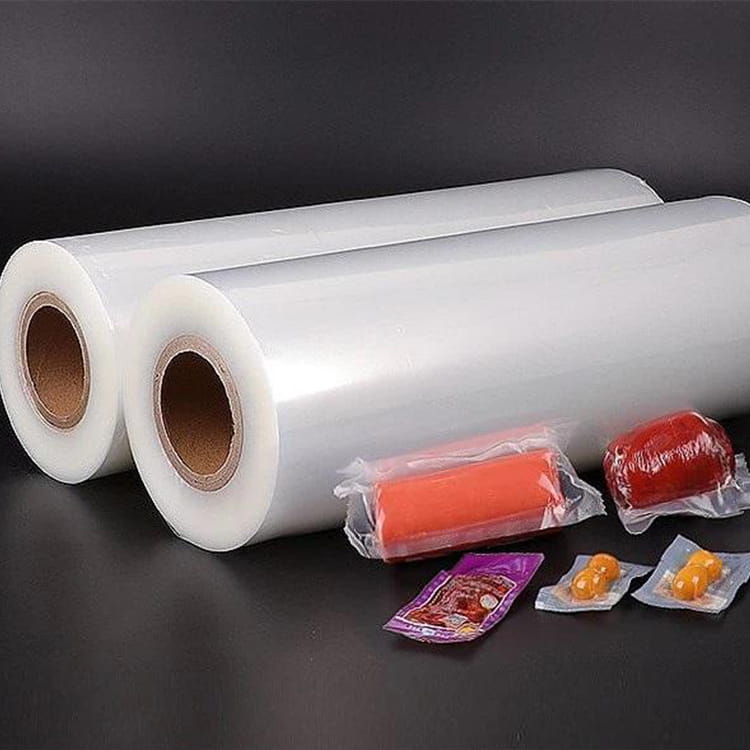
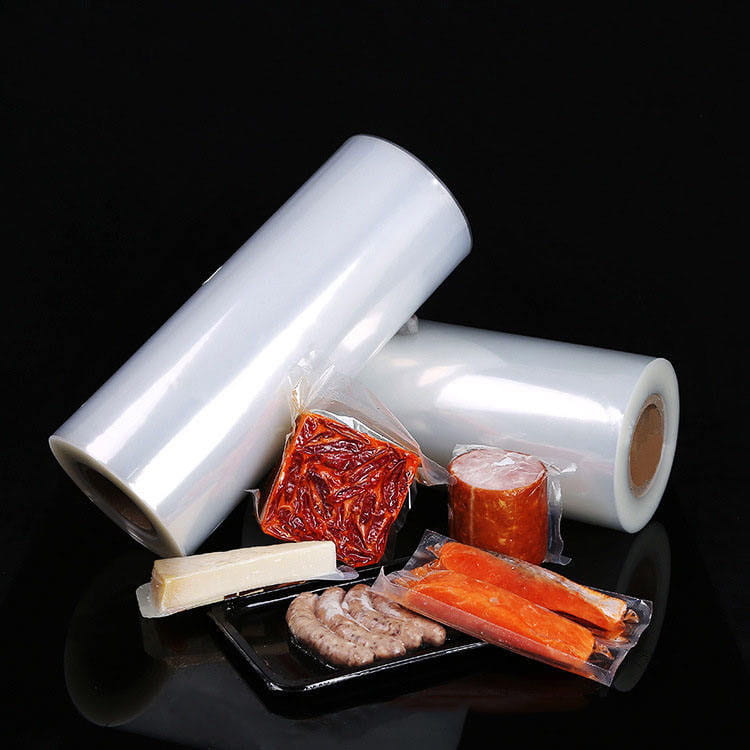
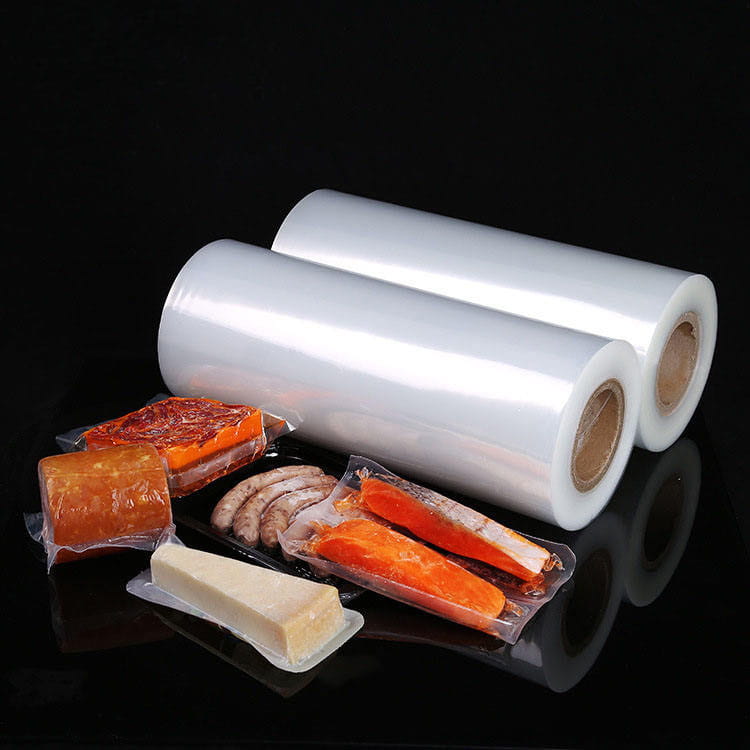
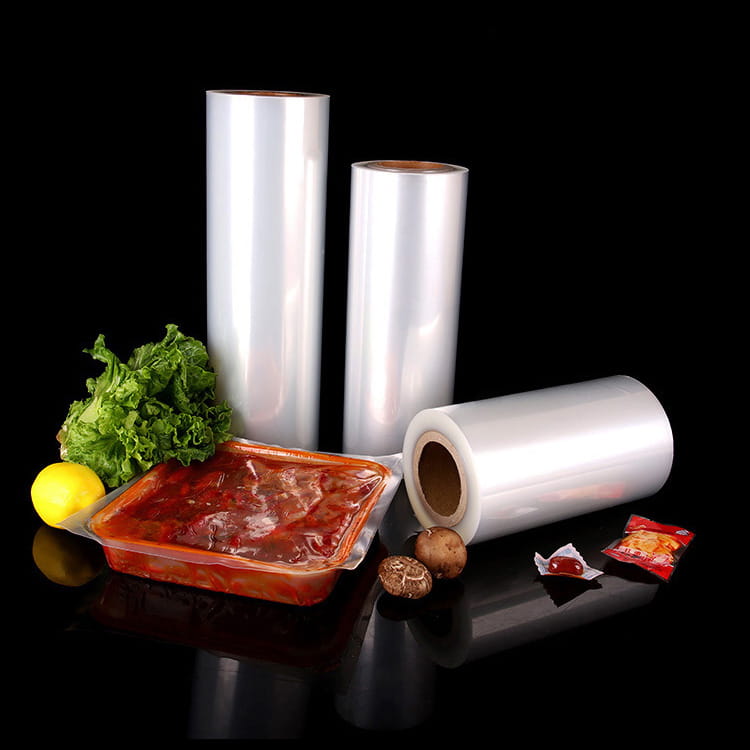
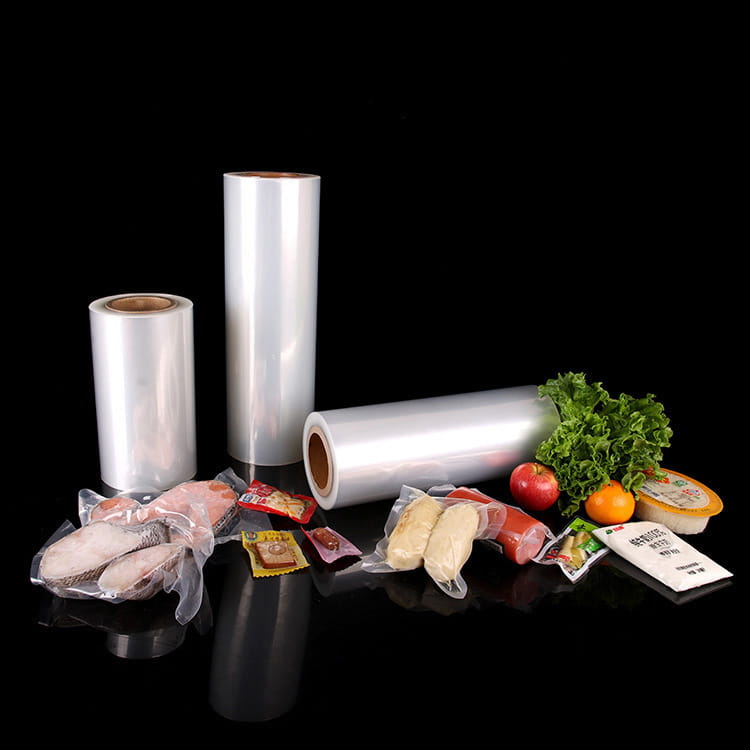
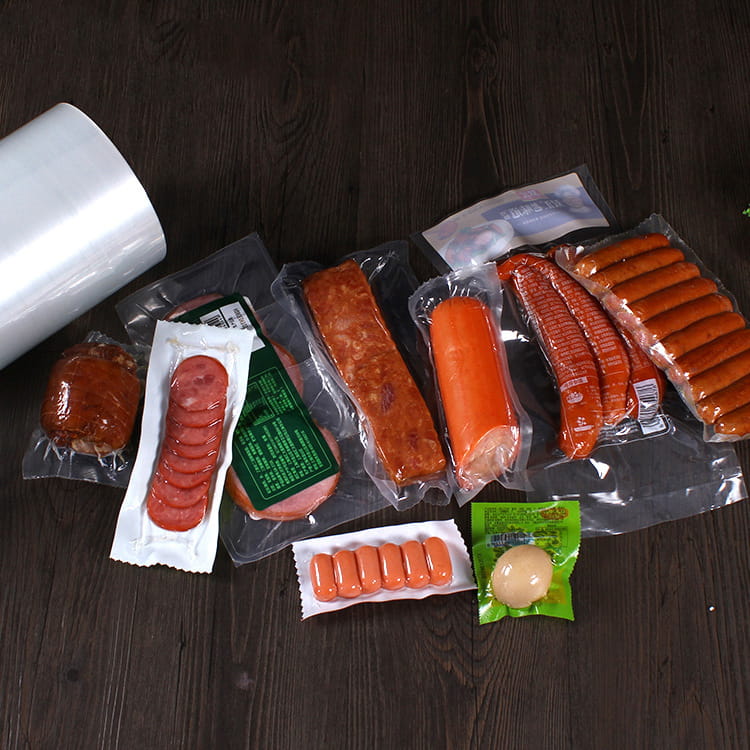
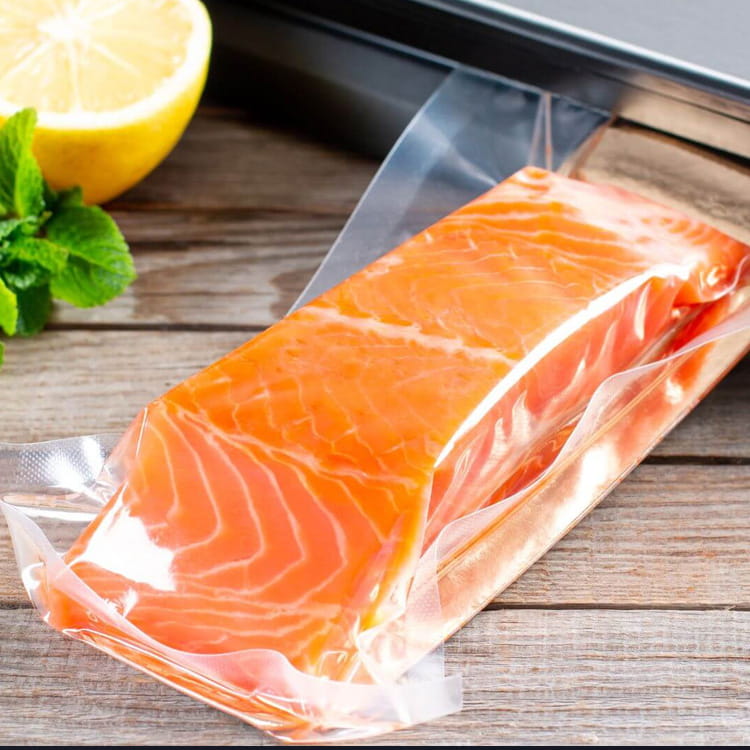
For vacuum pouches and lidding films, the 60-120 micron range covers most food packaging applications. Our vacuum packaging bag is produced in several thickness options to match the product weight and shelf-life requirements of different food items.
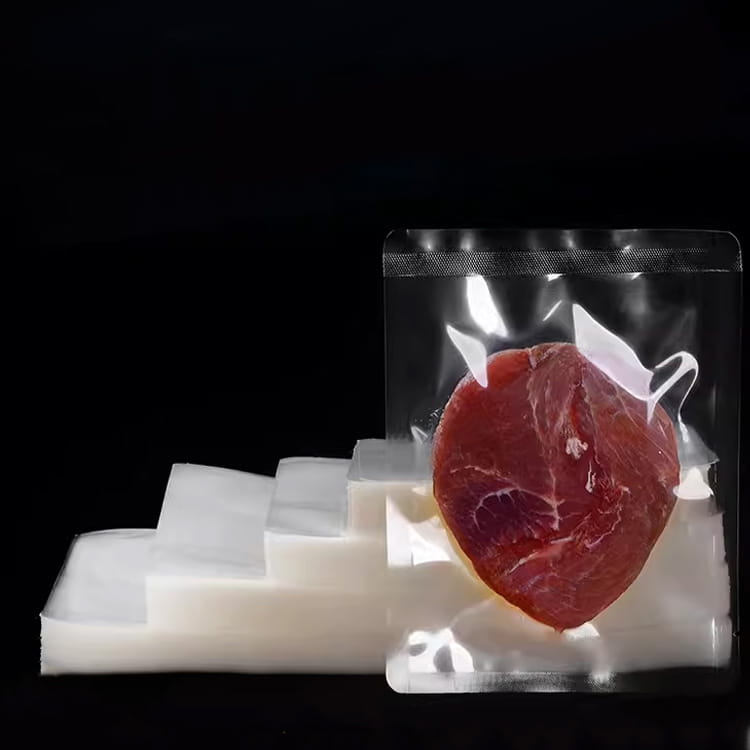 High-Barrier PE/PA Composite Vacuum Sealer Bag for Fresh Food PackagingThis vacuum bag features a co-extruded PE/PA structure that balances flexibility, low-temperature toughness, and mechanical strength. Its oxygen and moisture barrier helps extend shelf life for meats, seafood, and prepared foods, making it suitable for both domestic and commercial vacuum sealing.View Product →
Film Thickness and Packaging Performance
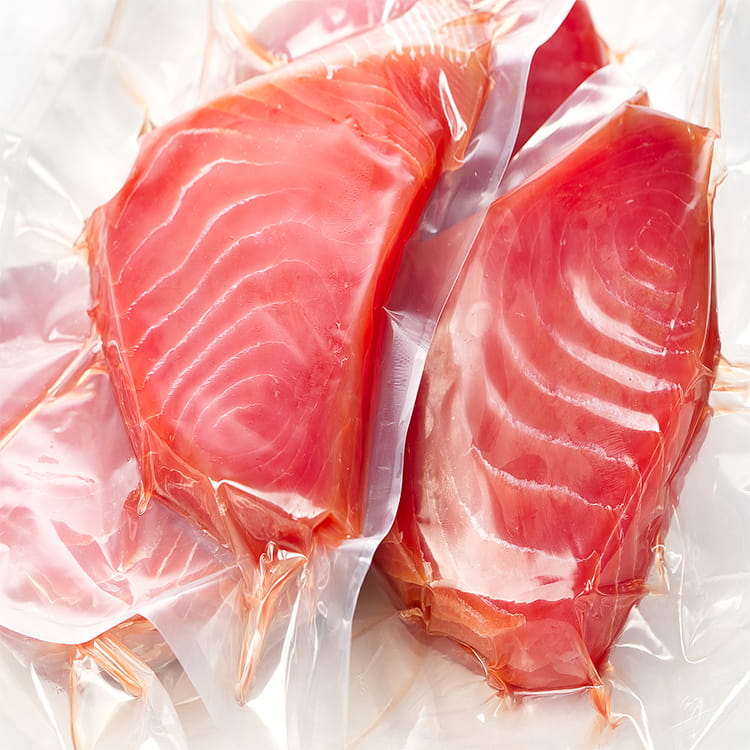
Thickness is not just a number on a datasheet. It directly influences oxygen and moisture barrier, puncture resistance, seal strength, and the overall mechanical durability of the final package. For meat and cheese packaging, a film that is too thin can develop pinholes during vacuum sealing, leading to product spoilage long before its intended shelf life.
Typical film thickness ranges by application
- 20-30 micron (79-118 gauge): lidding films and light-duty packaging
- 40-60 micron (157-236 gauge): snacks, cereal, and general dry goods
- 60-100 micron (236-394 gauge): meat, cheese, and high-barrier applications
- 100-150 micron (394-591 gauge): heavy-duty vacuum and industrial packaging
The barrier performance of a multilayer coextruded film depends on the internal structure more than the overall thickness alone. For example, a 7-layer coextruded high barrier film can achieve better oxygen transmission rates than a thicker monolayer film because the functional barrier layer is placed at the right position within the structure. When selecting a film, the conversion from gauge to micron is just the first step. You also need to understand the relationship between thickness and barrier efficiency.
For demanding fresh meat applications, we typically recommend a 7-layer structure in the 80-120 micron range. The EVOH or PA layer in a 7-layer coextruded high barrier film provides the barrier needed, while the outer layers contribute mechanical strength and sealability. To learn more about how these layers work together, read our article on the technical characteristics of multilayer coextruded barrier films.
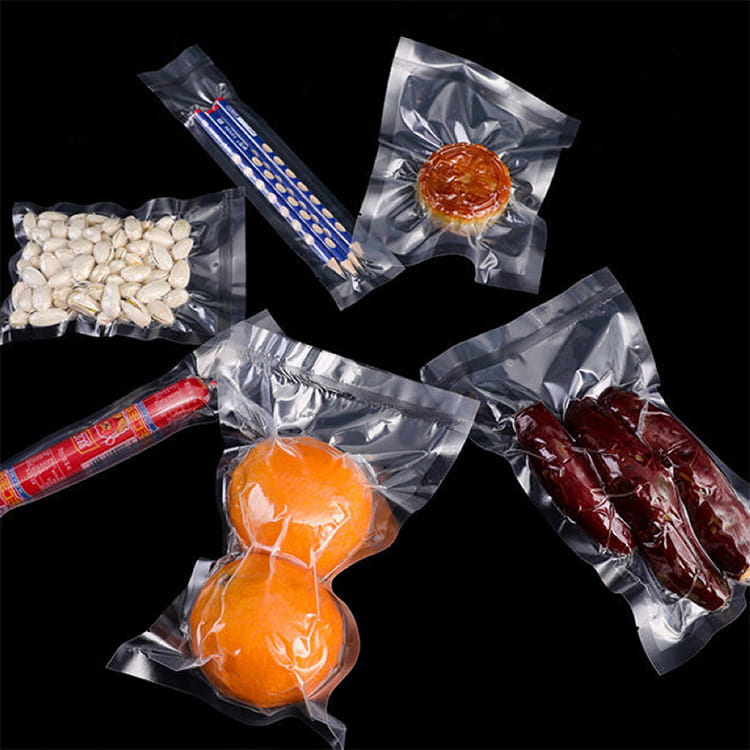 7-Layer Transparent Co-Extruded Film with EVOH Barrier for Food SafetyThis transparent film combines PA, PE, PP, TIE, and EVOH layers to deliver strong oxygen and moisture barrier properties plus puncture resistance. It is designed for products needing high protection and visibility, with reliable heat sealing for automated lines.View Product →
Thickness also affects cost. A 10 micron increase on a 100 micron film adds 10% more material, which directly impacts the per-square-meter price. Optimizing thickness requires balancing the barrier requirements of your product against the total packaging cost. This is where a supplier that understands film structure - and not just unit conversion - becomes valuable.
How to Specify Thickness with Your Film Supplier
Clear communication is the single most effective way to avoid thickness-related problems. When requesting a quote, always confirm the unit convention the supplier uses. This prevents the situation where a buyer expects 100 gauge (25.4 micron) but receives a film that the supplier calls "100 micron" - an almost four-fold difference.
What to request from your supplier
- The nominal thickness, stated in the unit you have agreed upon
- The tolerance range, typically ±5% of nominal
- The measurement method used, such as contact micrometer or non-contact laser
- A thickness profile report for each production batch
Tolerance matters because films with high thickness variation can cause inconsistent sealing, poorly formed bags, and downstream issues during filling and packing. A reliable film manufacturer will control the thickness profile across the full width of the film, not just at the center. At Changxi Packaging Technology, each batch of coextruded film is tested against the specification during production, and full-closed workshop conditions help ensure consistent output.
When choosing a material for cold-chain food packaging, the film must be selected for the correct temperature conditions. For example, a 7-layer symmetrical PA/PE coextruded low-temperature film is designed for refrigerated applications where flexibility and seal strength at low temperatures are essential. Understanding the difference between high-barrier and middle-barrier structures can also help you avoid over-specifying. We have published a detailed comparison of how high-barrier films compare to middle-barrier films for food packaging applications, which can help you decide whether your product needs the highest barrier level or a more cost-effective middle-barrier solution.
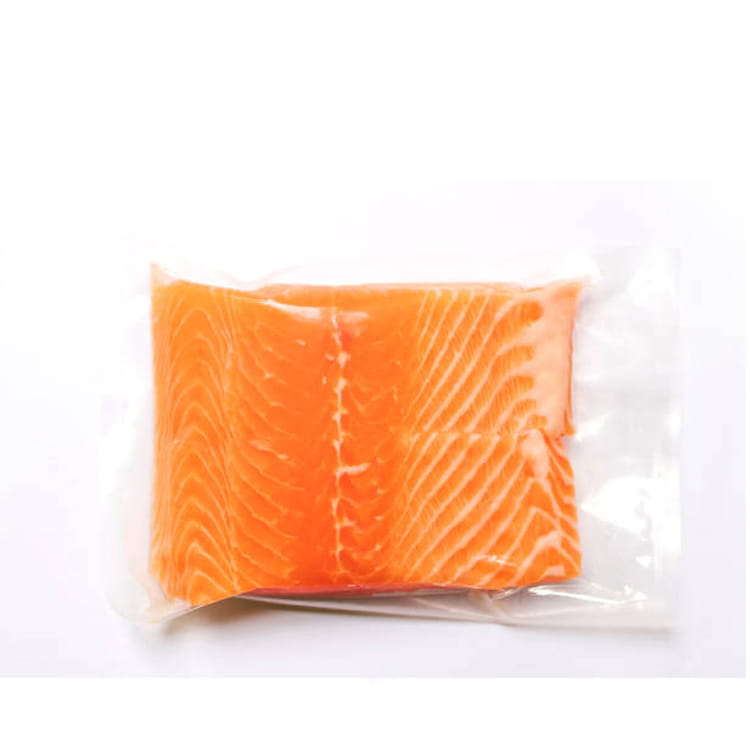 7-Layer Vacuum Sealer Bags for Freeze-Dried and Low-Temperature FoodsThese bags use a seven-layer structure of PE, PA, and TIE to provide flexibility, strength, and barrier performance down to -40°C. They are suited for freeze-dried items and frozen foods, resisting tears and supporting efficient vacuum sealing processes.View Product →
Finally, consider how the film will be converted into the final package. If you plan to seal it into a vacuum bag, confirm that the seal strength and puncture resistance are appropriate for your product form. A conversion chart answers the thickness question, but only a full specification sheet answers the performance question.
Common Questions About Gauge and Micron Conversion
Q1: What is the formula to convert gauge to micron?
Multiply the gauge value by 0.254. For example, 100 gauge × 0.254 = 25.4 micron. To reverse the conversion, divide the micron value by 0.254, or multiply it by 3.937.
Q2: Is 100 gauge the same as 1 mil?
Yes. In the flexible packaging industry, 1 mil is equal to 100 gauge. Since 1 mil equals 0.001 inch and 0.001 inch equals 25.4 micron, 100 gauge also equals 25.4 micron. This is why 100 gauge and 1 mil are used interchangeably in many datasheets.
Q3: Does a thicker film always mean better barrier performance?
No. Barrier performance is determined by the thickness of the functional barrier layer, such as EVOH or PA, and the overall film structure. A thin film with a well-designed 9-layer structure can outperform a thicker film made from a simple single-layer structure. Total thickness matters for mechanical strength, but barrier performance requires a different analysis.
Q4: What thickness tolerance should I expect from a packaging film supplier?
A standard tolerance for coextruded films is ±5% of the nominal thickness. A 100 micron film would therefore be measured at 95 to 105 micron. Higher-quality suppliers can often achieve tighter control, but this should be confirmed in writing. Ask for the measuring method and test frequency used for each batch.
Q5: Are there any drawbacks to using very thin films?
Yes. Very thin films are more vulnerable to pinholes, flex-cracking, and inconsistent heat sealing. They can also deliver poor puncture resistance, which is critical for bone-in meat or irregularly shaped products. The thickness specification should be based on the product weight, shape, distribution conditions, and required shelf life.