

 English
 عربى


Polythene sheeting is a flexible, water-resistant plastic film that most people know from construction sites and packaging lines. It comes in rolls, can be cut to any size, and is often the cheapest way to protect concrete, goods, or equipment from moisture and dirt. But not all polythene sheeting is the same. This guide explains what it is, how it is made, and what you should consider before buying.
What Is Polythene Sheeting?
Polythene sheeting, also called polyethylene sheeting or poly sheeting, is a thin film made from polyethylene. Polyethylene is a thermoplastic polymer produced from ethylene gas, a byproduct of oil and natural gas. The polymer chains give the film its characteristic strength and flexibility. In practice, polythene sheeting is supplied as a continuous sheet on a roll. The thickness is measured in microns. Light-duty covers can be around 25 to 50 microns, while heavy-duty damp-proof membranes may be 200 microns or more. The film is waterproof, dustproof, and chemically inert in most uses, which is why it is used from temporary weather screens to food packaging.
How Is Polythene Sheeting Made?
Most polythene sheeting is produced using the blown film extrusion process. Plastic pellets are first melted in an extruder, then pushed through a circular die to form a thin-walled tube. Air is blown into the tube to expand it to the desired width, creating a bubble that rises through a cooling ring. The cooled film is flattened and wound onto large rolls. This process gives the film balanced properties in both the machine direction and the cross direction. An alternative is cast extrusion, where the melt is cooled on a chilled roller. Cast film tends to offer better clarity, while blown film provides better toughness and impact resistance. The choice of resin directly affects the final properties: LDPE is soft and flexible, LLDPE adds puncture resistance, and HDPE is stiffer and stronger.
What Are the Common Types of Polythene Sheeting?
There are three main grades of polyethylene used for sheeting. The differences are mainly in density, flexibility, and strength. The table below gives a clear comparison.
| Type | Density | Typical Properties | Common Uses |
|---|---|---|---|
| LDPE | 0.910-0.925 g/cm3 | Flexible, easy to fold, good seal strength | Covers, dust sheets, light packaging |
| LLDPE | 0.915-0.930 g/cm3 | Higher puncture resistance, stretchability | Stretch wrap, heavy-duty bags |
| HDPE | 0.940-0.965 g/cm3 | Stiffer, higher tensile strength, less flexible | Construction barriers, tanks, rigid protectors |
LDPE is the most common and easiest to handle. It is often used for cheap covers and protective dust sheets. LLDPE has better puncture resistance and is common in stretch wrap and heavy-duty bags. HDPE is stiffer and offers better tensile strength, but it is less flexible and can crack when folded sharply.
Key Properties to Consider
Several properties make polythene sheeting a practical choice. Waterproofness is the most obvious advantage; it stops moisture from reaching surfaces that must stay dry. Dustproofness is another benefit, especially on construction sites where sand and debris need to be kept off. The film also resists many acids, alkalis, and salts. For outdoor use, ultraviolet light can degrade standard polythene, so UV-stabilized grades are available. Additives such as flame retardants, antistatic agents, and food contact approvals broaden the range. When you compare offers, check the film's thickness, tensile strength, puncture resistance, and tear resistance. Do not rely on the visual look alone; a 100 micron film from one supplier can behave very differently from a 100 micron film from another.
Where Is Polythene Sheeting Used?
Construction applications
On construction sites, polythene sheeting is used as a damp-proof membrane under concrete floors, as a temporary weather barrier for openings, and as a protective cover for scaffolding or finished surfaces. Fire-retardant and UV-protected grades are often required for these jobs. The film is lightweight, so installers can quickly cover large areas without heavy equipment.
Packaging and protection
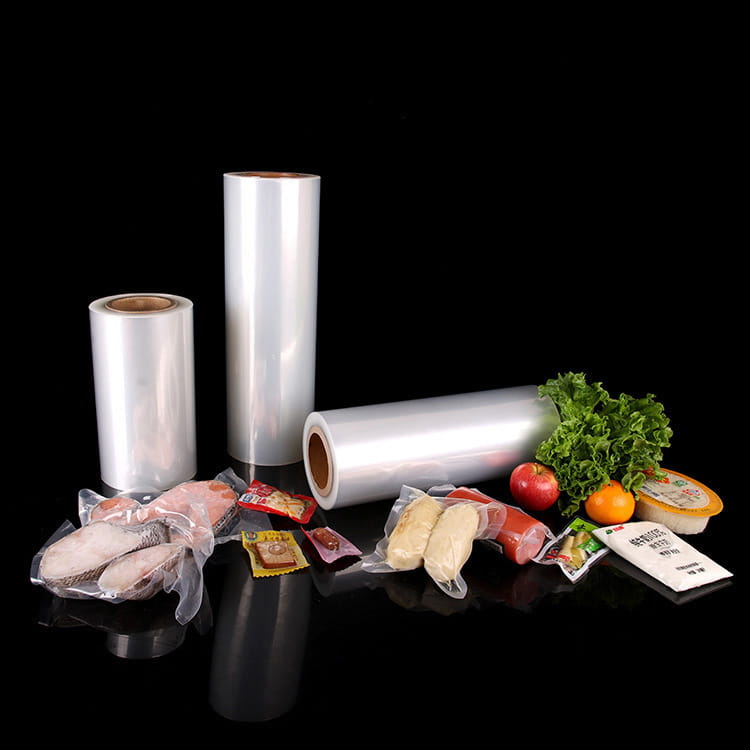
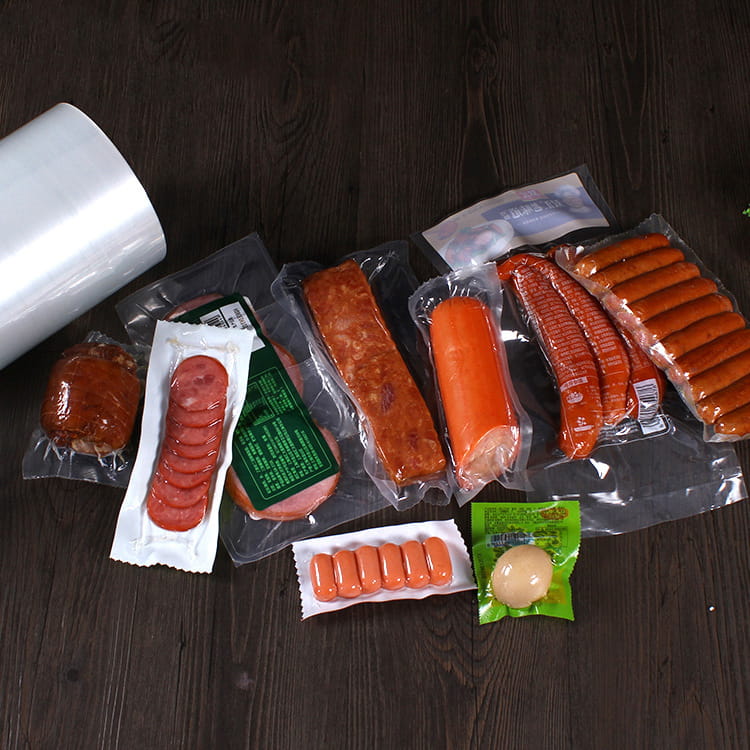
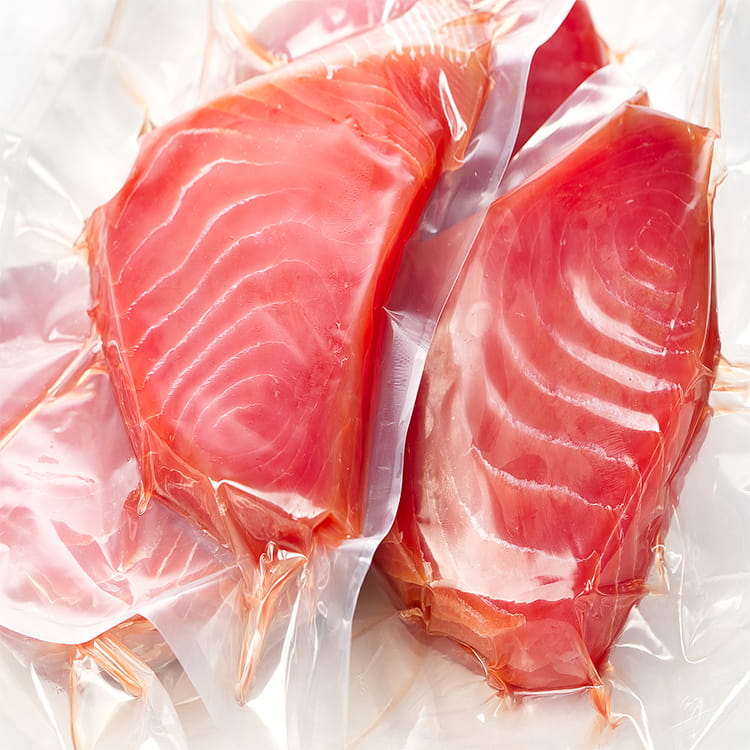
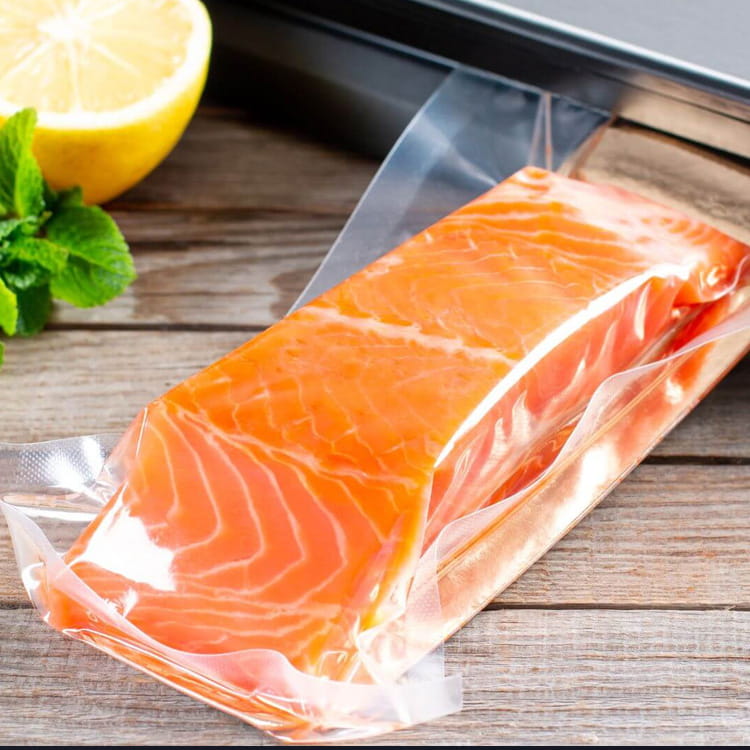
In packaging and industry, polythene sheeting becomes bags, liners, and wraps. It protects electronics from dust, textiles from moisture, and chemicals from spills. A thicker polythene sheet can act as a cover for pallets and goods in storage. In food processing, food-grade polythene sheeting is used for secondary packaging and as an outer layer for temperature-sensitive products. For the best protection of fresh products and vacuum-packed foods, standard polythene is often combined with nylon or EVOH in multilayer films, which we will discuss later.
How to Choose the Right Polythene Sheeting
Choosing the right film is a balance between cost, durability, and barrier performance. Start with the thickness. For a simple dust cover, 30 to 60 microns is enough. For a damp-proof membrane under a concrete slab, 200 to 300 microns is standard. For heavy-duty shrinkage or mechanical stress, you may need 400 microns or more. Next, consider the grade. If the film will be exposed to sunlight for more than a few months, choose a UV-stabilized grade. If the site has fire safety rules, choose a fire-retardant film with the correct certification. If the film will contact food or pharmaceutical products, use a food-grade or FDA-compliant material. Third, check the roll width and length so you can reduce waste. Finally, always request a sample and test the actual film under your working conditions. For a deeper dive into industrial-grade sheeting, read our article on how to choose the right polyethylene sheeting for demanding industrial applications. Testing will save you money and prevent failures later.
When Standard Polythene Sheeting Is Not Enough
Standard single-layer polythene sheeting offers limited barrier performance. Oxygen, moisture, and odours can pass through over time, which shortens the shelf life of food or allows corrosion of sensitive components. If your product requires a longer shelf life or better protection, you need an engineered multilayer film. In a coextruded film, several layers of different polymers are combined in one pass. A typical 5-layer or 7-layer structure can include polyethylene for sealing, polyamide (nylon) for strength and formability, and EVOH for oxygen barrier. This combination gives you the best of both worlds: the easy handling of polythene with the barrier performance of advanced plastics.
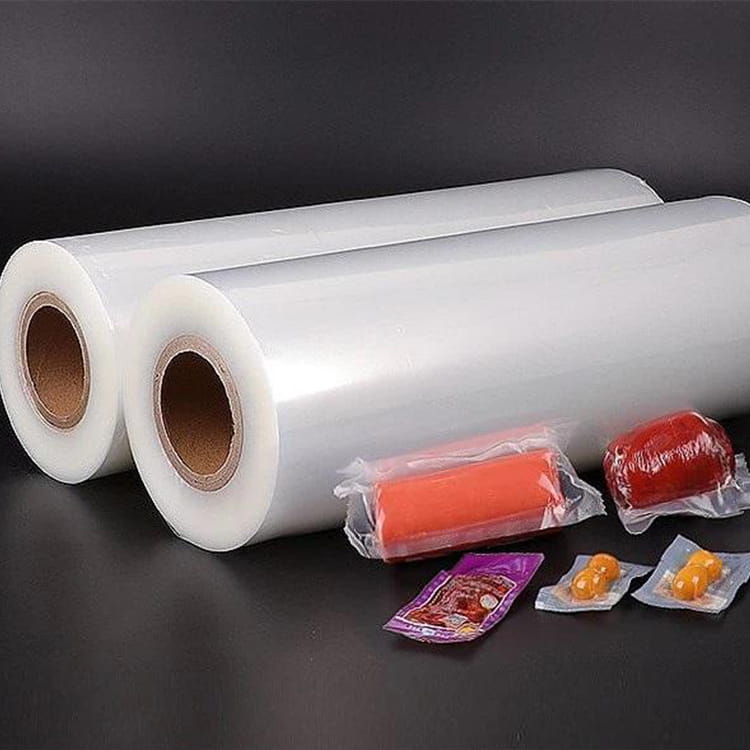
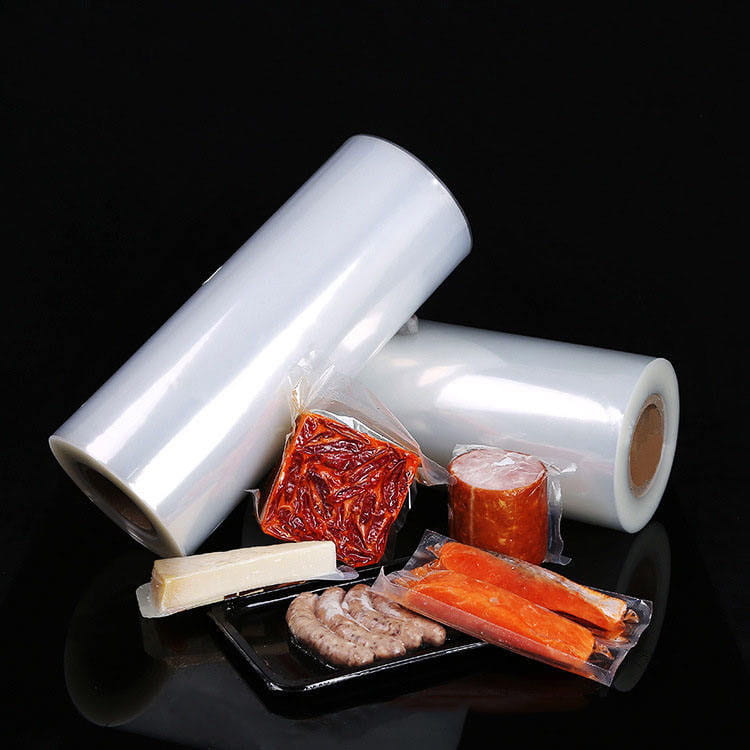
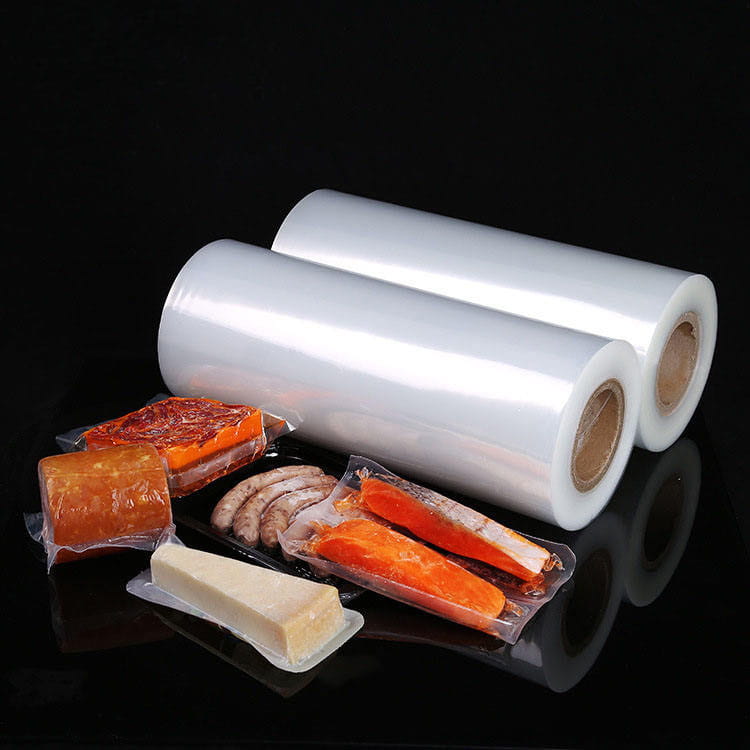
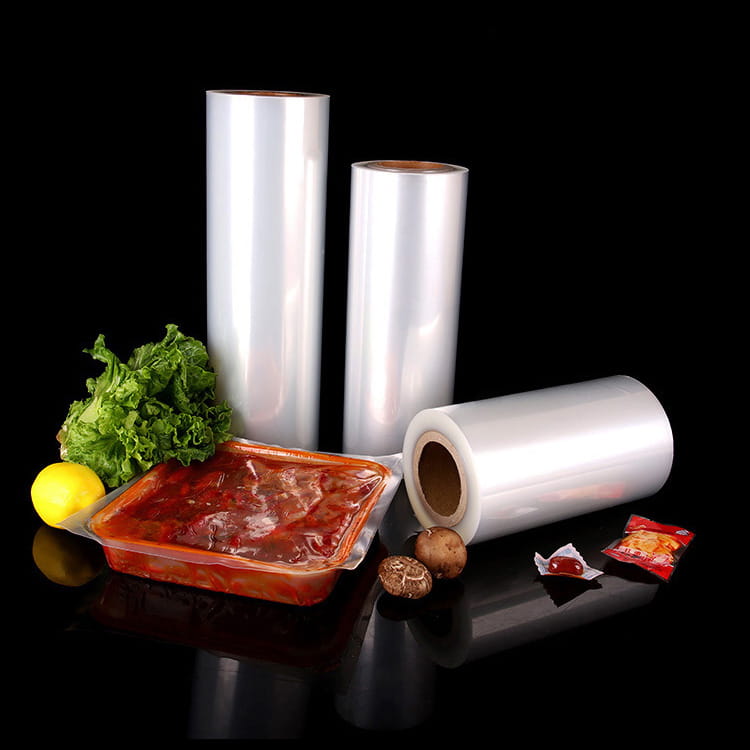
If you are packaging fresh or processed food, the 7-layer asymmetrical coextruded low-temperature film offers excellent formability and good sealing at low temperatures. For applications that need maximum oxygen barrier, a 7-layer coextruded high-barrier film is a strong choice. These films are widely used in vacuum pouches, thermoforming packaging, and easy-peel lidding films.
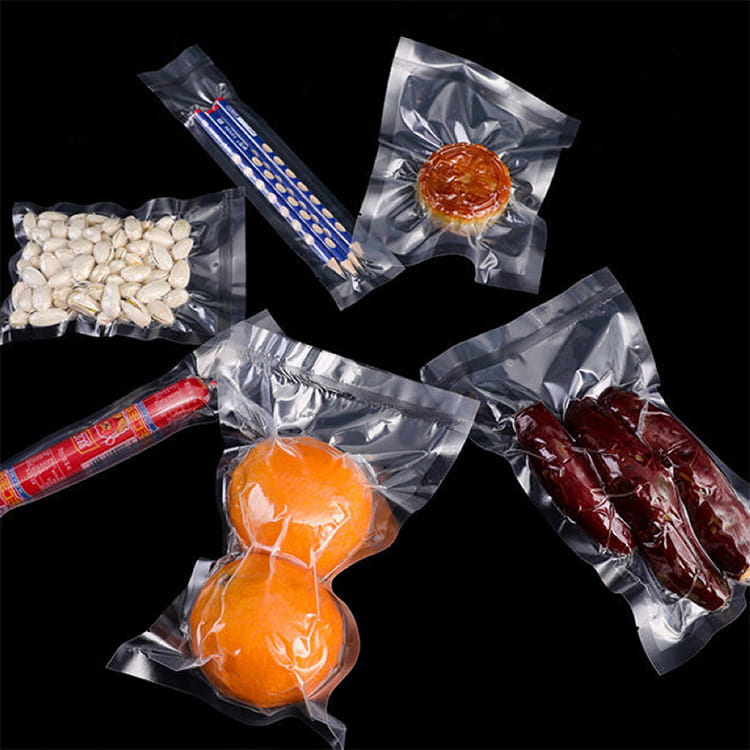 Food Safety Transparent 7-Layer Coextruded Packaging FilmThis transparent coextruded film uses seven layers including EVOH for exceptional oxygen and moisture barrier, plus PA for strength. It enhances product visibility and shelf life, ideal for food, pharmaceuticals, and sensitive goods.View Product →
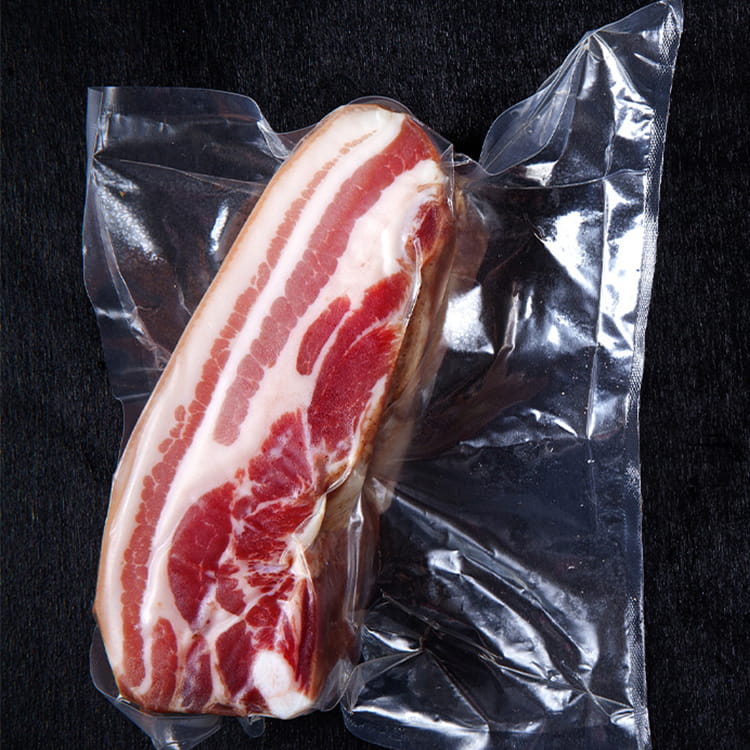 7-Layer Heavy-Duty Puncture-Proof Vacuum Sealer Bag RollThis vacuum sealer bag features a seven-layer coextruded structure for high barrier, low-temperature resistance, and puncture-proof strength. It suits meat, seafood, cheese, and other high-value items, extending shelf life and ensuring safe storage.View Product →
Conclusion
Polythene sheeting is a versatile, low-cost material that solves many everyday protection problems. It is not a one-size-fits-all product, though. The right thickness, grade, and barrier level depend on your specific application. For simple covers and moisture barriers, a standard polyethylene film will work well. For food packaging and industrial requirements that demand higher barrier performance, a multilayer coextruded film is a better investment. Always check a sample before you order in bulk, and talk to your supplier about additives and certifications. This simple step helps you avoid costly mistakes and keeps your products safe and fresh.