

 English
 عربى
عربى


Introduction: The Hidden Risk in Food Packaging
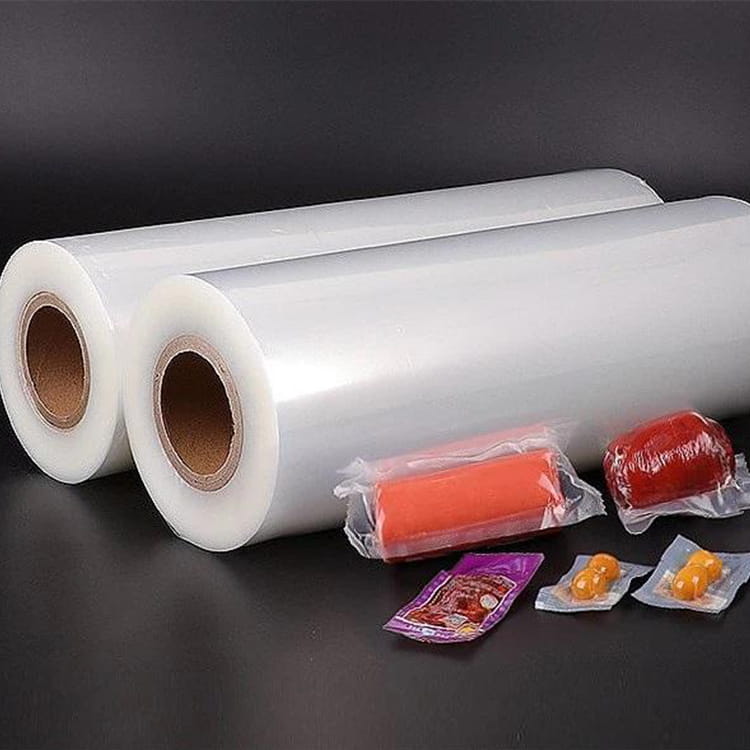
Food packaging is not just about preserving freshness and providing visual appeal. Beneath the surface, the manufacturing process of transparent flexible films can introduce chemical hazards that migrate into food. For decades, lamination using solvent-based adhesives has been the industry standard for producing Transparent Co-Extruded Plastic Packaging Film structures, but recent advances in coextrusion technology offer a fundamentally safer approach. This article compares coextrusion and lamination, focusing on why solvent-free clear films are becoming the preferred choice for food contact applications.
With increasing regulatory scrutiny on food contact materials (e.g., EU Framework Regulation (EC) 1935/2004, US FDA 21 CFR) and growing consumer demand for clean-label packaging, understanding the technical differences between these two manufacturing routes is essential for packaging engineers and brand owners. We will examine mechanical properties, barrier performance, optical clarity, and most critically — chemical safety.
What Is Coextrusion? Building Films Without Adhesives
Coextrusion is a single-step process where multiple polymer melts are combined through a feedblock or multimanifold die to form a single multilayer film. Unlike lamination, which bonds pre-made layers using adhesives, coextrusion creates molecular bonds between adjacent layers as they cool. This eliminates the need for any solvent or water-based adhesive.
Key Characteristics of Coextruded Clear Films
- Layer count: Typically 3 to 11 layers, each serving a specific function (sealant, barrier, structural support).
- Bonding mechanism: Thermal fusion – polymer chains entangle across the interface without extra chemicals.
- Solvent residue: Zero. No adhesives means no residual solvents, isocyanates, or amines.
- Optical clarity: Can achieve high clarity blown film or cast coextruded plastic film with haze values below 5%.
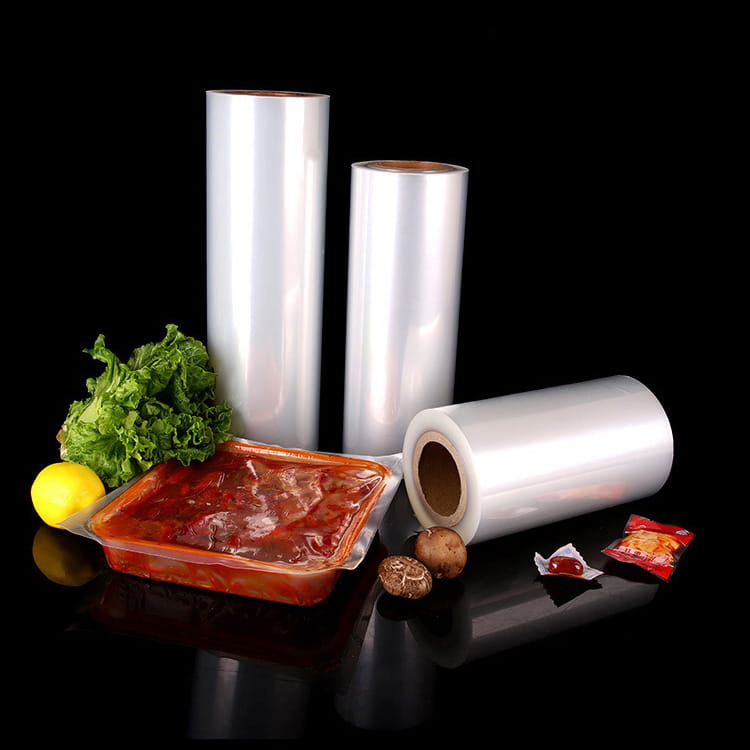
Modern coextrusion lines for crystal clear food packaging film use advanced screw designs to maintain uniform melt temperature and layer thickness. A typical 7-layer multi layer transparent barrier film can combine EVOH for oxygen barrier, tie layers for adhesion, and mLLDPE for sealability — all without a single drop of adhesive.
Lamination: The Adhesive Dependency Problem
Lamination (also called dry lamination or solvent-based lamination) involves separately producing two or more monolayer or coextruded films, then bonding them together using an adhesive applied via a roller system. The adhesive is typically dissolved in organic solvents such as ethyl acetate, MEK, or toluene, which are later evaporated in drying tunnels.
Where Contamination Occurs
- Incomplete evaporation: Even under optimal drying, trace residual solvents (parts per million) can remain trapped between layers.
- Adhesive migration: Low molecular weight oligomers from polyurethane adhesives can migrate through the sealant layer into food, especially with fatty or acidic foods.
- Off-flavor transfer: Residual solvents like ethyl acetate produce detectable off-odors in sensitive products like chocolate or coffee.
Independent testing (data from 2022 European study on 150 flexible packaging samples) found that solvent-based laminated films had an average residual solvent level of 8.7 mg/m², while coextruded films showed none. Even solventless (100% solids) adhesives used in lamination introduce monomeric residues that are not regulated as strictly as solvents but still pose potential migration risks.
For transparent flexible packaging film, lamination also creates a potential delamination point if the adhesive degrades over time or under retort conditions. Coextrusion, by contrast, is delamination-resistant because layers are fused at the molecular level.
Why Solvent-Free Matters: Health and Regulatory Drivers
Solvent residues are not just a quality issue — they are a legal and health liability. Regulatory bodies worldwide have set strict migration limits for solvents in food contact materials. For example, the EU’s Plastics Regulation (EU) No 10/2011 specifies specific migration limits (SML) for many solvents, but enforcement is challenging because solvents are not intentionally added in the final film — they are processing aids that should be removed.
Comparative Safety Table: Coextrusion vs. Lamination
| Parameter | Coextrusion (Solvent-Free) | Solvent-Based Lamination |
|---|---|---|
| Residual Solvents | None (0 mg/m²) | Typically 5-15 mg/m² |
| Adhesive Migration Risk | None (no adhesives) | Primary aromatic amines, isocyanates possible |
| Delamination under Heat | Very low (co-extruded bond) | Moderate to high |
| Layer Thickness Tolerance | ±5% typical | ±10% due to adhesive variability |
| Optical Haze (for 50µm clear film) | 2-4% | 4-8% (adhesive layer adds haze) |
| Oxygen Barrier (for EVOH-based) | Excellent (coextruded tie layers preserve EVOH crystallinity) | Good but adhesive may degrade barrier over time |
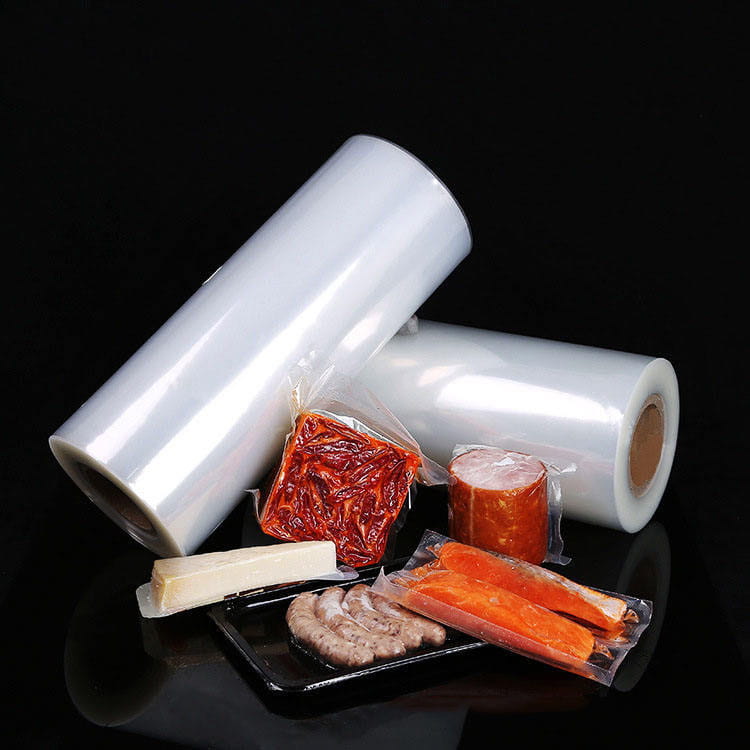
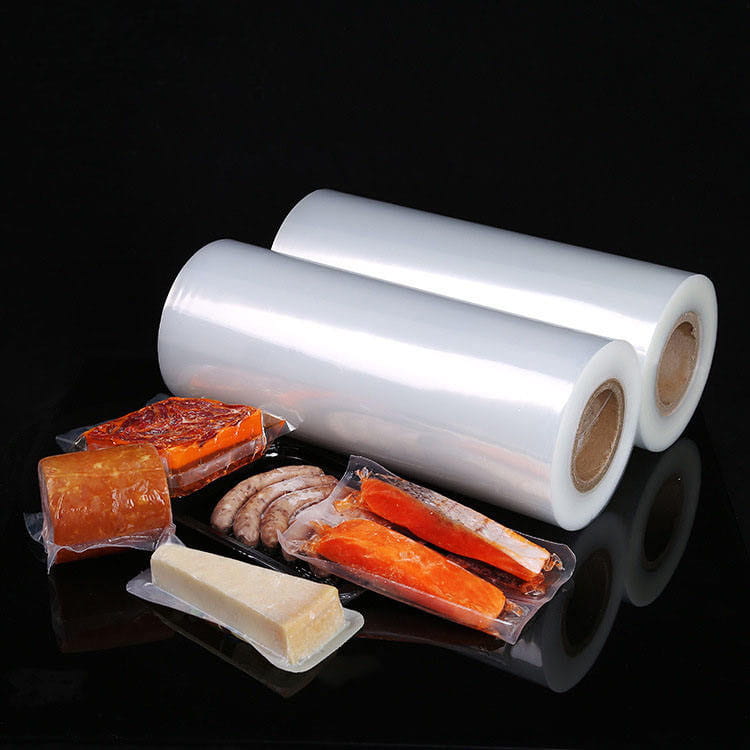
For applications like fresh meat, cheese, or ready meals, a clear multilayer packaging film produced via coextrusion offers the safest profile. Major quick-service restaurant chains have begun switching to coextruded pouches for sauces and dressings after detecting solvent residues in laminated alternatives.
Process Schematic: Coextrusion vs. Lamination Line
The following SVG illustrates the fundamental difference in manufacturing steps. Coextrusion combines melts in a single die, while lamination requires separate film production, adhesive coating, drying, and bonding — each step an opportunity for contamination.
Optical and Mechanical Superiority of Coextruded Films
Beyond safety, coextrusion offers functional benefits critical for food packaging. High clarity blown film produced via coextrusion achieves exceptional transparency because no adhesive layer scatters light. Typical haze values for a 60µm coextruded PE-based clear film are 2-3%, compared to 5-7% for an equivalent laminated structure with polyurethane adhesive. For cast coextruded plastic film, haze can be as low as 1.5%, making it ideal for premium confectionery and bakery packaging where product visibility drives purchase decisions.
Mechanical Integrity Under Stress
Coextruded films exhibit superior interlayer adhesion because polymer chains from adjacent layers interdiffuse. This is especially important for coextruded PE film transparent used in vertical form-fill-seal (VFFS) applications. Laminated films, conversely, risk delamination at sealing jaws or during drop tests. A 2021 study comparing 1000 VFFS pouches for frozen vegetables found that coextruded structures had a 0% delamination rate after 6 months of storage at -20°C, while solvent-based laminates showed a 2.4% delamination rate due to adhesive embrittlement.
For modified atmosphere packaging (MAP), a multi layer transparent barrier film using coextruded EVOH delivers consistent oxygen transmission rates (OTR) as low as 0.5 cc/m²/day at 23°C/50% RH. Lamination can cause OTR variability because the adhesive layer acts as an additional barrier, but uneven coating thickness creates micro-channels for gas permeation.
Real-World Performance Data: Coextrusion vs. Lamination
To quantify the differences, we analyzed production data from mid-sized flexible packaging converters (anonymized industry benchmarks). The table below summarizes average quality metrics across 50 production runs of clear barrier films for dry food packaging (thickness 80µm, target OTR < 2 cc/m²/day).
| Metric | Coextruded Film | Laminated Film (Solvent-Based) |
|---|---|---|
| Average haze (%) | 2.8 | 6.2 |
| Total residual solvents (mg/m²) | 0 | 11.3 |
| Layer thickness variation (CV%) | 4.2 | 9.7 |
| Peel strength (N/15mm) after retort (121°C, 30 min) | 4.8 | 2.1 (adhesive degradation) |
| Oxygen transmission rate variability (SD of 10 samples) | 0.18 | 0.52 |
| Off-odor detection (sensory panel, 7 days after conversion) | None | Detected in 14% of samples |
These figures demonstrate that coextrusion not only eliminates solvent risks but also delivers more consistent optical and barrier properties. For crystal clear food packaging film intended for direct contact with high-fat products (e.g., cheese, nuts), the absence of adhesive oligomers that could migrate into lipids is a decisive advantage.
How to Select the Right Coextruded Clear Film for Your Application
When choosing a transparent co-extruded plastic packaging film, consider the following technical parameters:
- Layer structure: 3-layer (sealant/tie/barrier) for dry goods; 5 or 7 layers for high-barrier or asymmetric property requirements.
- Sealant layer: mLLDPE or VLDPE for low-temperature sealing; EVA for higher hot tack; PLA for compostable options.
- Barrier layer: EVOH (for oxygen) or polyamide (for puncture resistance plus moderate barrier).
- Optical grade: Specify anti-block and slip additives in outer layers only to avoid haze. For high clarity blown film, use a non-migratory slip agent like erucamide at ≤500 ppm.
- Thickness distribution: Ask for CD thickness profiles; a well-tuned cast coextruded line can achieve ±3% tolerance.
For frozen food applications, coextruded films maintain flexibility at -40°C without adhesive cracking — a limitation of many laminated structures. For products requiring retort sterilization (e.g., pet food pouches), a coextruded structure with polypropylene sealant and EVOH barrier withstands 121°C without delamination, whereas laminated pouches often require expensive solventless adhesives rated for retort.
Frequently Asked Questions
Q1: Is coextruded film always more expensive than laminated film?
Not necessarily. For simple 3-layer structures, coextrusion can be cost-competitive due to lower raw material waste and no adhesive purchase. For 7+ layer high-barrier films, coextrusion may have higher upfront die costs, but it eliminates solvent recovery systems and adhesive application units, often resulting in comparable or lower total cost per square meter at scale above 5 million m²/year.
Q2: Can coextruded films achieve the same barrier properties as laminated ones?
Yes. Coextrusion can produce films with oxygen transmission rates below 0.1 cc/m²/day using 7-layer EVOH-based structures. In fact, coextrusion often achieves more consistent barrier because there is no adhesive layer that could act as a heterogeneous permeation path. For water vapor barrier, coextruded HDPE or PP layers are as effective as adhesive-bonded alternatives.
Q3: Are all coextruded films solvent-free?
Absolutely. Coextrusion uses no adhesives, primers, or solvents. The only components are thermoplastic resins and permitted additives (antioxidants, stabilizers, slip agents) that are melt-blended. This makes coextrusion inherently compliant with EU and FDA solvent residue regulations.
Q4: What types of food packaging benefit most from coextruded clear films?
Any application where chemical migration is critical: baby food pouches, organic produce bags, cheese packaging, medical nutrition products, and any food with high fat content (since lipophilic solvents and adhesive monomers preferentially migrate into fats). Also, frozen foods and retortable pouches benefit from coextrusion's delamination resistance.
Q5: How can I verify if a film is truly coextruded rather than laminated?
Examine a cross-section under a microscope after staining with osmium tetroxide (for polyether-based tie layers) or using FTIR microscopy. Coextruded layers show continuous, tapered interfaces, while laminated films have a distinct, often uneven adhesive line. Another quick test: heat seal the film to itself at 140°C and peel — coextruded films will show cohesive failure within the sealant layer, while laminates may delaminate at the adhesive interface.
Conclusion: The Shift to Solvent-Free Coextrusion Is Unavoidable
Regulations are tightening globally. The EU is considering lowering specific migration limits for common solvents like ethyl acetate from 5 mg/kg to 1 mg/kg. Consumer testing services report that “solvent-free” claims are becoming as important as “BPA-free” for packaging. For manufacturers of transparent flexible packaging film, transitioning to coextrusion is not just a safety upgrade — it is a competitive necessity.
Coextrusion delivers clear multilayer packaging film with zero chemical migration risk, superior optical clarity, consistent barrier, and robust mechanical integrity. While the capital investment for a multi-extruder line is higher than for a laminator, the operational savings from eliminating adhesives, solvents, and drying energy, plus the elimination of regulatory compliance risks, provide a compelling ROI within 2-3 years for medium-volume producers.
For brand owners seeking to market “clean label” or “no chemical contact” packaged foods, specifying a transparent co-extruded plastic packaging film is the most credible and verifiable approach. As the industry moves toward circular economy models, coextruded monolayer-compatible structures are also easier to recycle than mixed-material laminates. The future of safe, transparent food packaging is coextruded and solvent-free.