

 English
 عربى
عربى


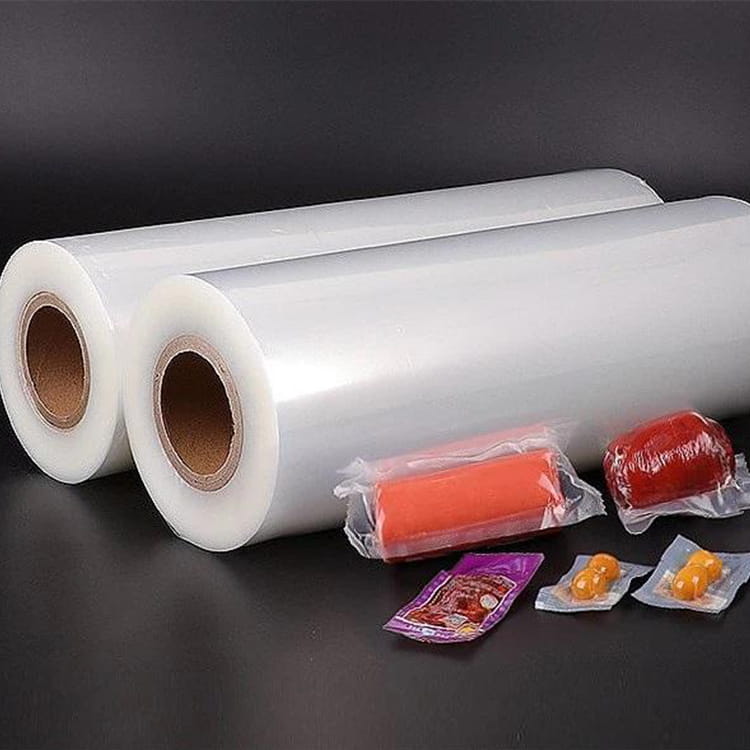
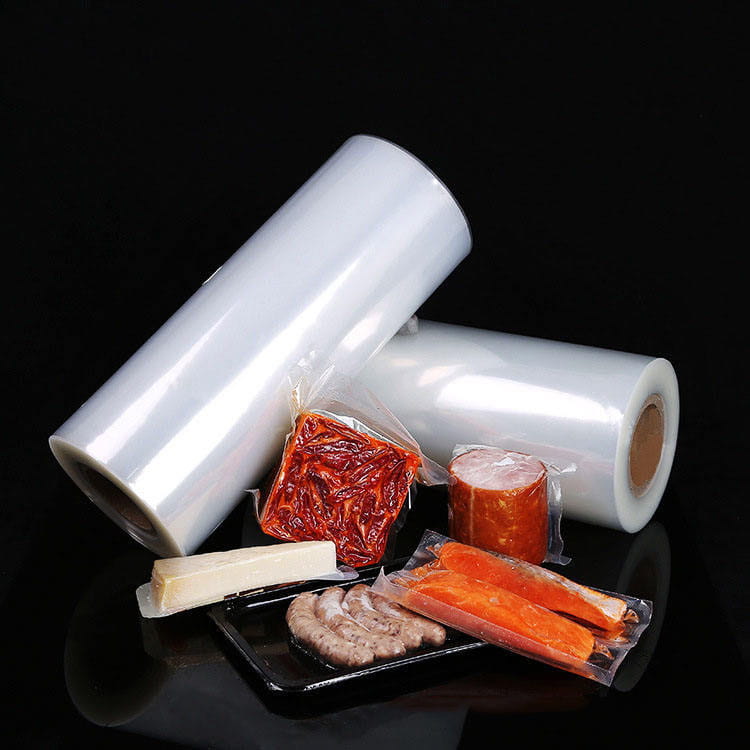
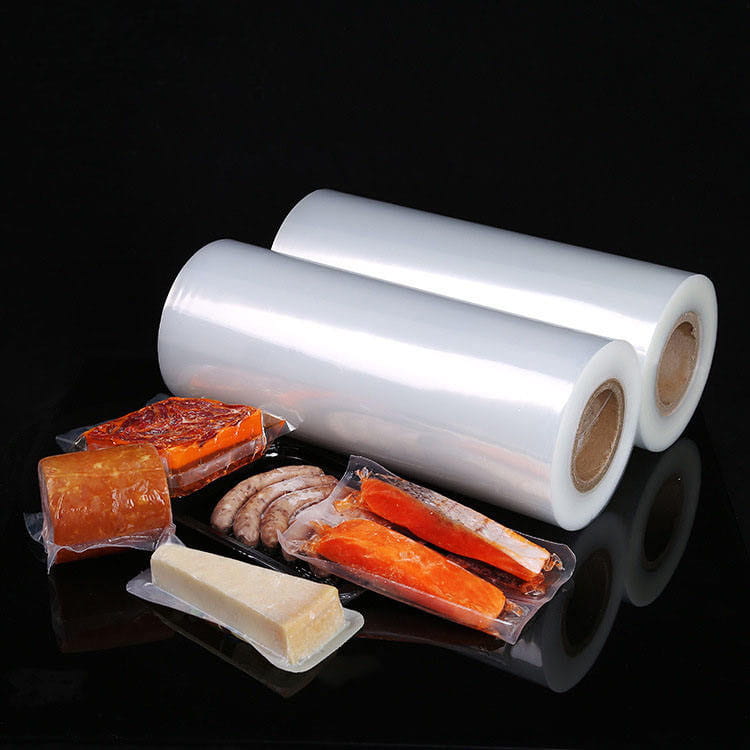
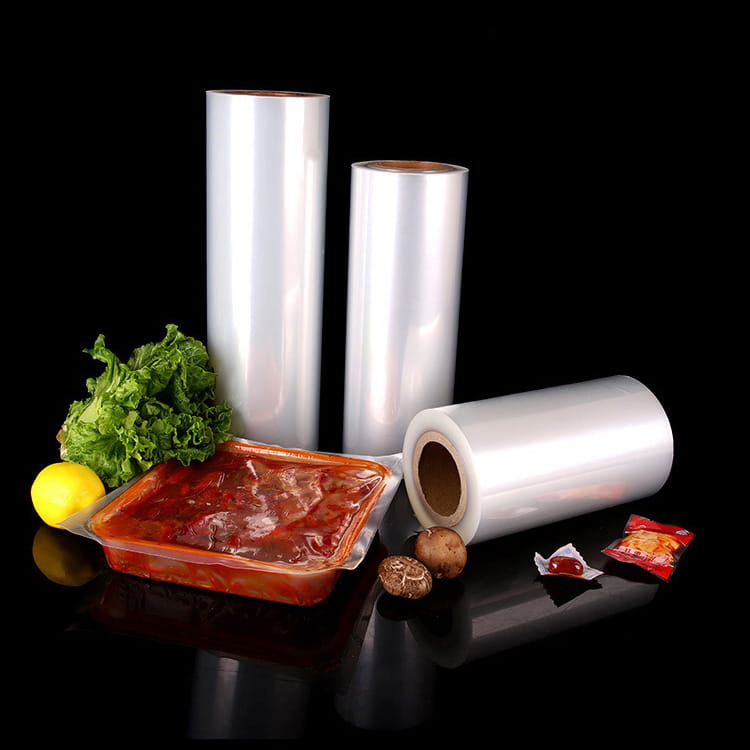
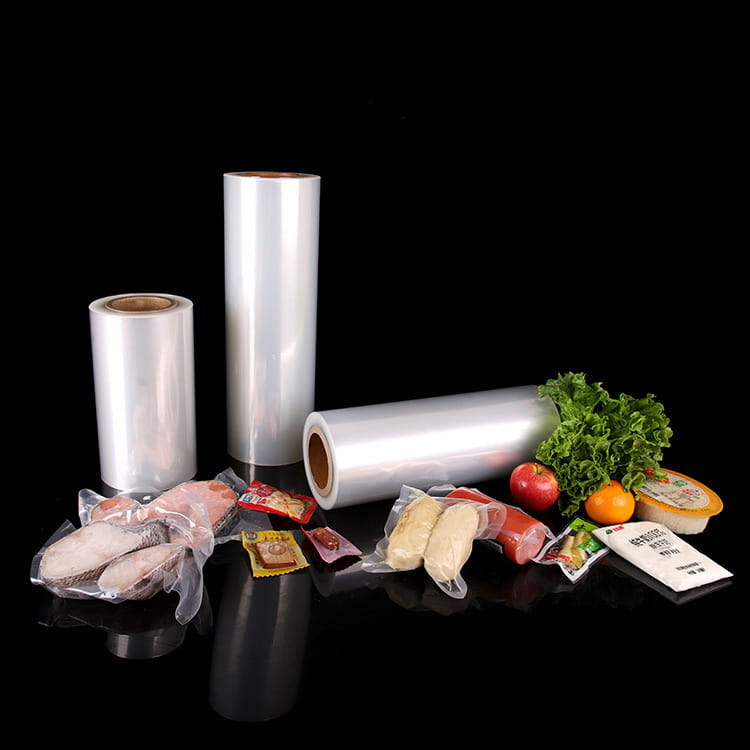
Food Safety 7-Layer Transparent Co-Extruded Plastic Packaging Film has become a widely used solution in the modern food packaging industry due to its combination of clarity, barrier properties, and mechanical strength. Selecting the appropriate type of food for this packaging material is critical for maintaining product integrity, safety, and shelf life.
Overview of Food Safety 7-Layer Transparent Co-Extruded Plastic Packaging Film
Food Safety 7-Layer Transparent Co-Extruded Plastic Packaging Film is engineered using seven distinct layers of polymers, each providing specific functional properties. Typically, the film combines materials such as polyethylene (PE), polyethylene terephthalate (PET), ethylene vinyl alcohol (EVOH), and polypropylene (PP) to achieve a balance of strength, flexibility, and barrier performance. The multilayer structure allows manufacturers to customize the properties for particular food applications, such as extending shelf life, preventing moisture ingress, or protecting against oxygen and aroma loss.
The seven-layer composition often includes an outer print layer, barrier layers, tie layers for adhesion, and an inner heat-sealable layer. This configuration ensures that the food safety 7-layer transparent co-extruded plastic packaging film not only protects the contents but also maintains visual transparency, which is crucial for consumer appeal in retail environments.
Key properties relevant to food packaging
Several functional properties of food safety 7-layer transparent co-extruded plastic packaging film determine its suitability for specific types of food:
- Barrier performance: The combination of PET and EVOH layers provides excellent resistance to oxygen, moisture, and other gases, preventing oxidation and spoilage.
- Mechanical strength: The multilayer structure enhances puncture and tear resistance, essential for handling during transport and storage.
- Clarity and printability: Transparency allows consumers to view the product, while the outer layers can support high-quality printing for branding and labeling.
- Heat sealability: Inner layers, often composed of PE or PP, allow for secure and efficient heat sealing, maintaining product integrity.
- Compatibility with cold and ambient storage: The film remains stable under refrigeration, freezing, and ambient conditions, making it versatile for a range of food items.
These characteristics allow the film to cater to a wide array of food types while maintaining safety, freshness, and shelf appeal.
Suitable categories of food
The suitability of food safety 7-layer transparent co-extruded plastic packaging film can be broadly categorized based on food type, moisture content, fat content, and sensitivity to environmental factors.
1. Fresh produce
Fresh fruits and vegetables often require packaging that preserves moisture content while minimizing microbial growth. Food safety 7-layer transparent co-extruded plastic packaging film provides an optimal solution because its barrier properties reduce dehydration and contamination without compromising transparency. Common examples include:
- Leafy greens (lettuce, spinach)
- Berries (strawberries, blueberries)
- Tomatoes and cucumbers
The film can also be perforated or micro-perforated to regulate humidity and gas exchange, which is crucial for produce that continues to respire post-harvest.
2. Meat and poultry
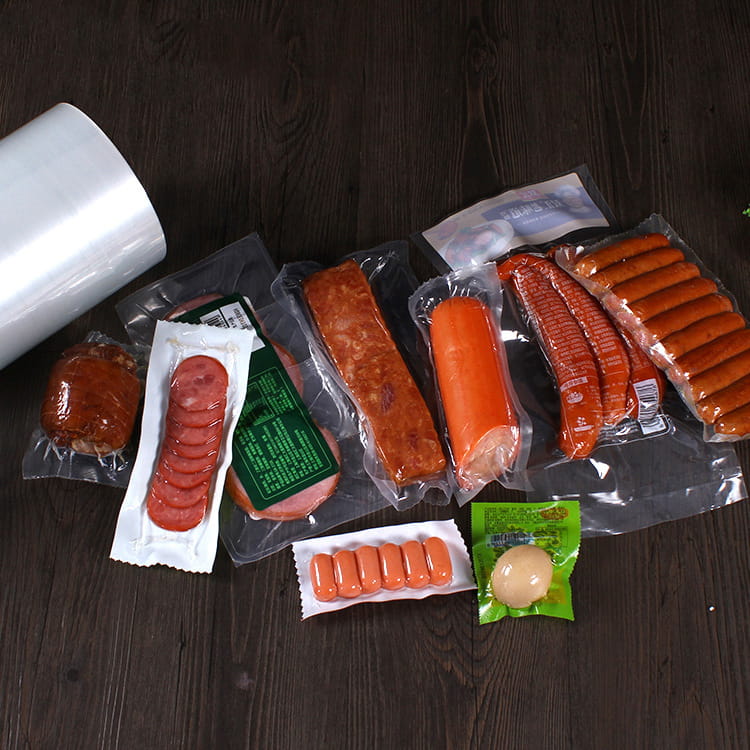
Red meat, poultry, and processed meat products require packaging that limits oxygen exposure to prevent oxidation, microbial growth, and spoilage. Food safety 7-layer transparent co-extruded plastic packaging film can:
- Reduce oxygen transmission, extending shelf life
- Maintain moisture balance to prevent desiccation
- Enable vacuum packaging or modified atmosphere packaging (MAP) for freshness
| Food type | Recommended packaging method | Film benefits |
|---|---|---|
| Fresh beef | Vacuum-sealed | Oxygen barrier, extended shelf life |
| Chicken breast | MAP | Moisture retention, clarity for display |
| Processed sausages | Overwrap | Tear resistance, hygiene protection |
3. Seafood
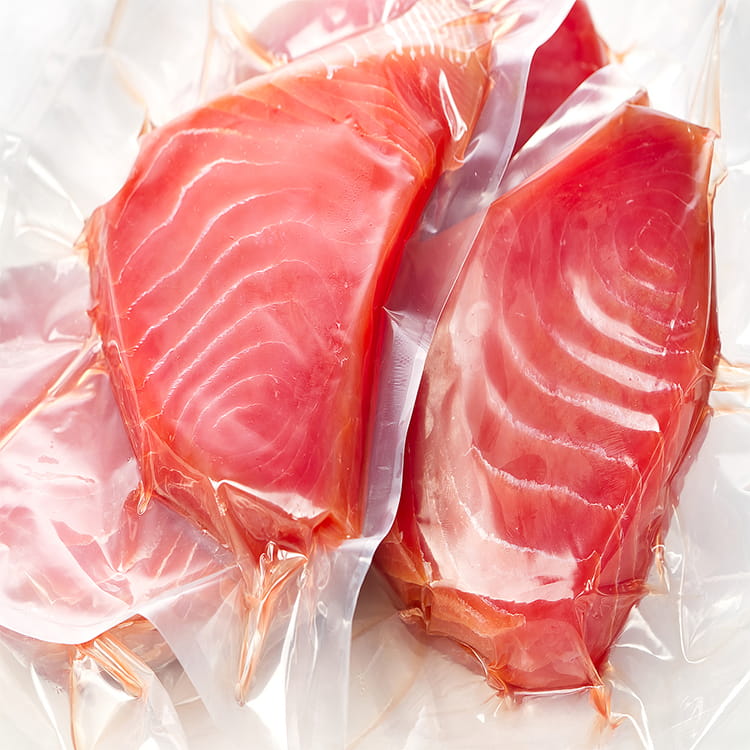
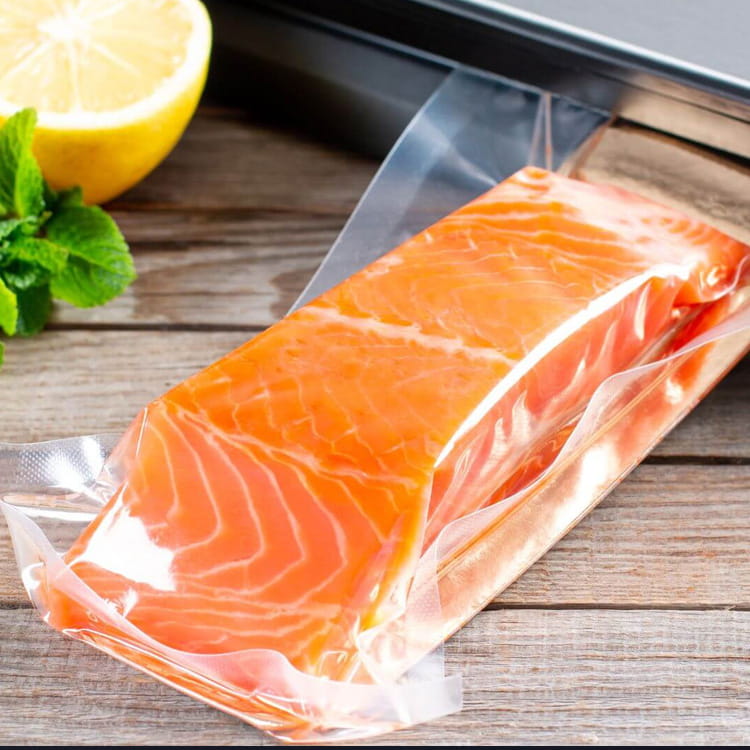
Seafood products, including fish, shrimp, and shellfish, are highly sensitive to oxygen and microbial activity. The oxygen and moisture barrier layers in food safety 7-layer transparent co-extruded plastic packaging film help:
- Prevent fishy odors from contaminating surrounding products
- Reduce oxidation of polyunsaturated fats
- Maintain product appearance and texture
Vacuum and skin packaging methods are commonly used with this film to enhance protection and support cold-chain logistics.
4. Dairy products
Cheese, butter, yogurt cups, and other dairy products benefit from the food safety 7-layer transparent co-extruded plastic packaging film because of its ability to:
- Prevent moisture loss from high-fat content products
- Protect against light-induced degradation, which can affect flavor and quality
- Support airtight seals for individual portions
The film’s heat-sealable layers allow for reliable closure, reducing the risk of contamination during distribution.
5. Snack foods and confectionery
Snacks, baked goods, and confectionery items require packaging that preserves texture, crispness, and aroma. Food safety 7-layer transparent co-extruded plastic packaging film provides:
- Aroma and moisture barriers to prevent staling
- Structural integrity to prevent crushing
- Transparency for attractive presentation on retail shelves
| Food type | Packaging consideration | Film functionality |
|---|---|---|
| Biscuits and crackers | Crispness retention | Moisture barrier, puncture resistance |
| Chocolate | Aroma retention | Fat and oxygen barrier, printability |
| Nuts | Shelf life extension | Odor and moisture control, mechanical strength |
6. Ready-to-eat and prepared meals
Pre-cooked meals, salads, and portioned foods require secure packaging that ensures freshness and hygiene. The food safety 7-layer transparent co-extruded plastic packaging film allows for:
- Heat-sealable trays for easy transportation
- Oxygen and moisture control to maintain texture and taste
- Transparency for consumer inspection before purchase
This film is often integrated with retort or modified atmosphere packaging systems for extended shelf life in ambient conditions.
7. Frozen foods
Frozen vegetables, meat, and ready meals require films that withstand low temperatures without cracking or losing seal integrity. Food safety 7-layer transparent co-extruded plastic packaging film provides:
- Low-temperature flexibility
- High puncture resistance for frozen items with sharp edges
- Barrier properties to prevent freezer burn and moisture migration
8. Liquids and semi-liquids
Products like sauces, soups, and dairy-based beverages may be packaged using multilayer films with additional sealing layers. Benefits include:
- Prevention of leaks and contamination
- Preservation of taste and color
- Compatibility with form-fill-seal machines
Considerations for selecting appropriate film
Selecting the optimal food safety 7-layer transparent co-extruded plastic packaging film involves evaluating:
- Food sensitivity: Oxygen, moisture, and light sensitivity dictate barrier layer thickness.
- Storage conditions: Refrigerated, frozen, or ambient conditions impact film selection.
- Mechanical handling: Puncture resistance is critical for heavy or sharp products.
- Regulatory compliance: The film must meet food contact safety standards.
- Consumer requirements: Transparency, printability, and convenience influence packaging design.
| Consideration | Impact on film selection |
|---|---|
| Oxygen sensitivity | Requires high EVOH content |
| Moisture sensitivity | Multi-layer PE/PP barrier |
| Storage temperature | Determines flexibility and sealing properties |
| Product weight | Influences thickness and tensile strength |
Advantages in retail and supply chain
Using food safety 7-layer transparent co-extruded plastic packaging film offers tangible benefits for retailers and distributors:
- Enhanced product visibility increases consumer confidence.
- Reliable barrier properties reduce food waste and spoilage.
- Compatibility with automated packaging lines improves efficiency.
- Customizable layers allow specific applications such as aroma retention or anti-fog performance.
Conclusion
Food safety 7-layer transparent co-extruded plastic packaging film is highly versatile and suitable for a wide range of foods including fresh produce, meat, poultry, seafood, dairy products, snacks, ready-to-eat meals, frozen foods, and liquids. Its combination of barrier protection, mechanical strength, and transparency makes it a valuable choice for modern food packaging, ensuring product safety, extending shelf life, and maintaining consumer appeal. When selecting packaging solutions, careful consideration of the food type, storage conditions, and required film properties ensures optimal results.
FAQ
Q1: Can food safety 7-layer transparent co-extruded plastic packaging film be used for acidic foods?
Yes, the film can accommodate acidic foods such as tomato sauces or citrus products due to the inert barrier layers that prevent chemical interactions.
Q2: Is this film suitable for microwave heating?
Certain configurations of food safety 7-layer transparent co-extruded plastic packaging film are microwave-safe, but specifications must be verified for high-temperature resistance.
Q3: Can frozen foods be packaged directly without pre-treatment?
Yes, frozen foods can be packaged directly, provided the film is designed for low-temperature flexibility and puncture resistance.
Q4: Does the film support modified atmosphere packaging (MAP)?
Yes, the multilayer structure is ideal for MAP applications, helping maintain freshness and extend shelf life.
Q5: Can the film be recycled?
While recycling options exist, multilayer films often require specialized facilities due to the combination of materials. Industry-specific recycling practices are recommended.
References
- Robertson, G. L. Food Packaging: Principles and Practice. CRC Press, 2020.
- Marsh, K., & Bugusu, B. “Food Packaging—Roles, Materials, and Environmental Issues.” Journal of Food Science, 2007.
- Yam, K. L. Encyclopedia of Packaging Technology. Springer, 2019.