

 English
 عربى
عربى


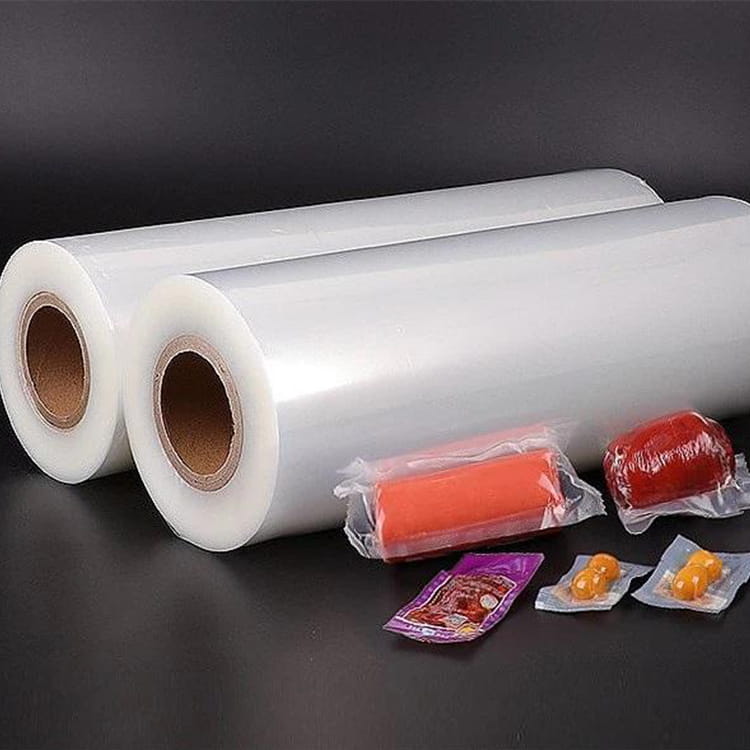
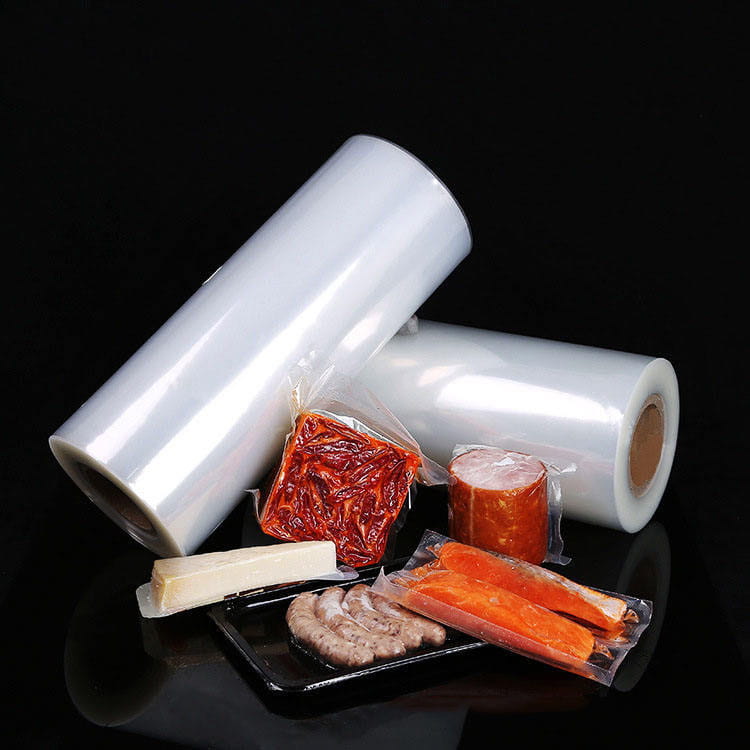
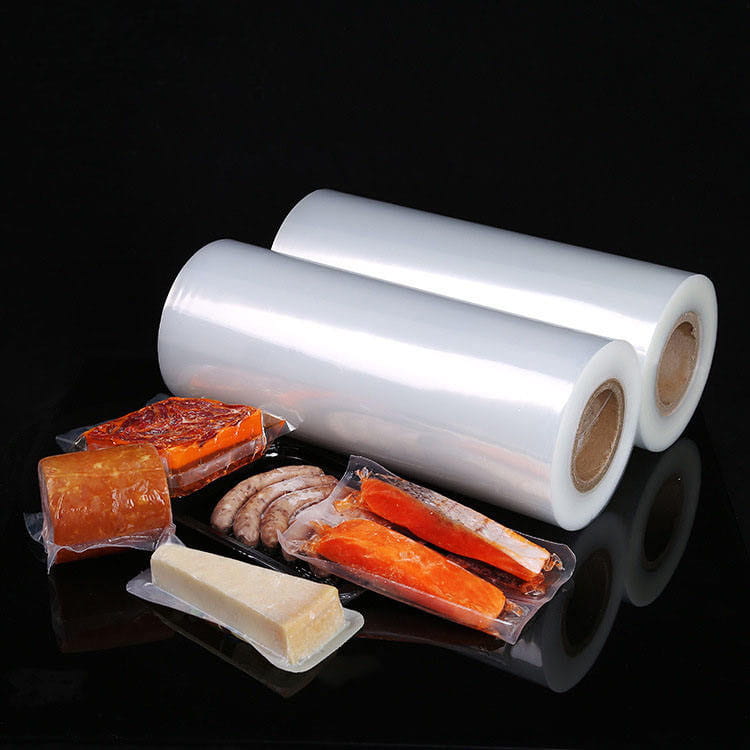
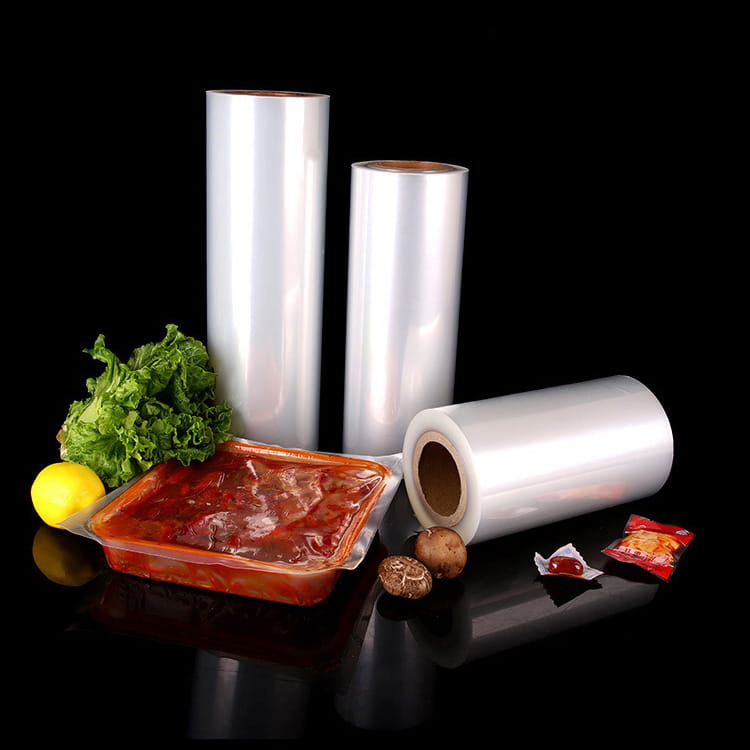
The 9 layer EVOH high barrier forming film for food packaging has become a critical material in modern food packaging applications due to its superior barrier properties. Among these properties, resistance to grease and oil is particularly important for maintaining food quality, ensuring shelf life, and preventing contamination.
Composition of 9 layer EVOH high barrier forming film for food packaging
The 9 layer EVOH high barrier forming film for food packaging typically consists of multiple polymer layers, each designed to contribute specific functional characteristics. The main components include:
- EVOH (Ethylene Vinyl Alcohol): Provides excellent oxygen barrier and chemical resistance.
- Polyethylene (PE) layers: Contribute mechanical strength, heat sealability, and flexibility.
- Tie layers: Ensure adhesion between EVOH and PE layers, improving structural integrity.
- Outer protective layers: Provide surface durability and resistance against external grease and abrasion.
Table 1: Typical layer composition of 9 layer EVOH high barrier forming film for food packaging
| Layer | Material | Primary Function |
|---|---|---|
| 1 | PE | Heat sealability, flexibility |
| 2 | Tie layer | Adhesion |
| 3 | EVOH | Oxygen barrier, grease resistance |
| 4 | Tie layer | Adhesion |
| 5 | PE | Mechanical support |
| 6 | Tie layer | Adhesion |
| 7 | EVOH | Barrier reinforcement |
| 8 | Tie layer | Adhesion |
| 9 | PE | Surface protection, grease resistance |
The multi-layered structure of this film allows it to combine flexibility with chemical resistance, making it highly suitable for greasy and oily foods such as fried snacks, processed meats, and cheese.
Mechanisms of grease and oil resistance
Surface energy and polarity
The resistance to grease and oil in 9 layer EVOH high barrier forming film for food packaging is primarily influenced by the surface energy of the outer layers. Materials with low surface energy repel non-polar substances such as oils and fats. In addition, the polar nature of EVOH contributes to a strong internal barrier that prevents oil migration into deeper layers.
Multi-layer barrier effect
The layered structure ensures that even if the outer PE layer comes into contact with grease, the EVOH middle layers act as a secondary barrier. This dual-layer protection reduces the risk of oil permeation and maintains the mechanical and aesthetic integrity of the packaging.
Interaction with food components
The 9 layer EVOH high barrier forming film for food packaging is designed to minimize interactions with food lipids. This ensures that flavor compounds and oils remain within the product, preventing migration that could lead to off-flavors or spoilage.
Table 2: Performance comparison of 9 layer EVOH film against common single-layer films
| Property | 9 Layer EVOH Film | Single-Layer PE Film |
|---|---|---|
| Grease resistance | High | Moderate |
| Oxygen barrier | Excellent | Low |
| Heat sealability | Good | Moderate |
| Flexibility | High | High |
| Shelf life improvement | Significant | Limited |
This table highlights how the multi-layer structure significantly enhances performance in oily and greasy applications compared to conventional films.
Applications in food packaging
Snack foods
For snack products like potato chips, crackers, and fried nuts, 9 layer EVOH high barrier forming film for food packaging prevents oil migration from the product to the package surface. This ensures visual appeal and maintains packaging integrity during transport and storage.
Dairy and cheese products
Cheese and other high-fat dairy products benefit from EVOH’s grease resistance because it prevents fat leaching into the packaging, which could compromise both food safety and consumer perception.
Processed meats and ready-to-eat meals
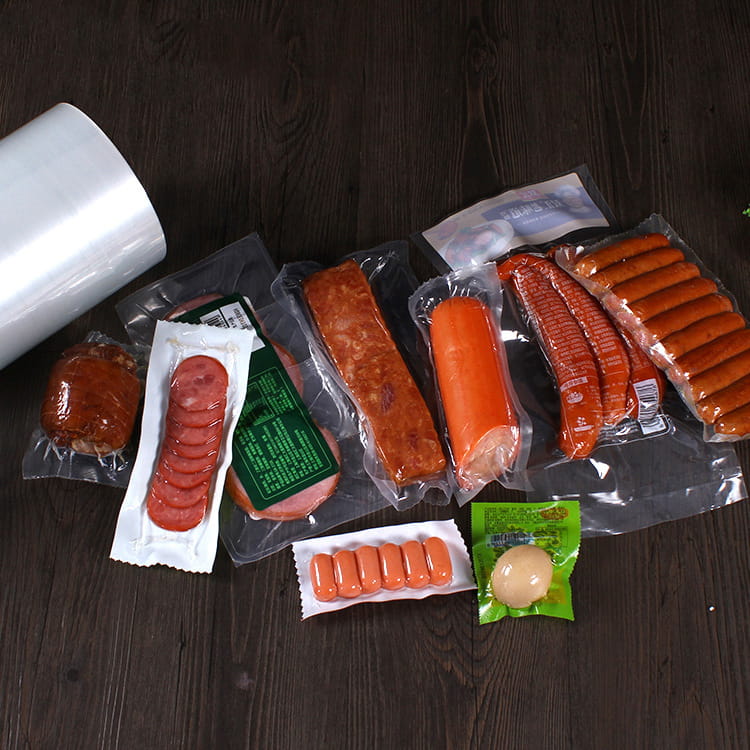
In processed meat packaging, contact with oils, marinades, and cooking fats can degrade standard packaging. 9 layer EVOH high barrier forming film for food packaging provides a reliable barrier to grease penetration, ensuring the food remains uncontaminated and safe for consumption.
Manufacturing techniques impacting grease resistance
The performance of 9 layer EVOH high barrier forming film for food packaging is influenced by specific co-extrusion and lamination techniques:
- Co-extrusion allows the integration of EVOH and PE layers without compromising adhesion or barrier properties.
- Blown film extrusion produces a uniform thickness, reducing weak points where oil could permeate.
- Surface treatment such as corona or plasma treatment enhances adhesion of outer layers and improves grease resistance.
Quality control in production
Consistency in manufacturing ensures that grease and oil resistance remains reliable across batches. Testing protocols include:
- Oil contact tests to measure penetration and absorption
- Mechanical tests to evaluate layer integrity
- Visual inspections for defects such as pinholes or layer delamination
Advantages of using 9 layer EVOH high barrier forming film for greasy and oily foods
- Enhanced shelf life: Prevents oil migration and preserves product quality.
- Flavor retention: Limits interactions between packaging and food, ensuring taste is maintained.
- Packaging integrity: Reduces oil staining and surface deformation.
- Compatibility with automation: Works with high-speed forming and sealing equipment.
- Sustainability potential: Multi-layer films can be optimized for material reduction without compromising barrier performance.
Considerations for optimal grease and oil resistance
- Layer composition: Proper thickness of EVOH layers is critical.
- Outer PE layer properties: The PE must be selected for low surface energy.
- Storage conditions: Excessive heat or humidity may affect barrier performance.
- Food type: High-fat or acidic foods may require additional testing to ensure compatibility.
Future trends in grease-resistant packaging films
The food packaging industry is exploring innovations to improve grease and oil resistance further:
- Incorporation of biodegradable layers while maintaining barrier properties.
- Enhanced EVOH formulations for stronger chemical resistance.
- Surface coatings that improve anti-grease properties without impacting recyclability.
These advancements aim to balance performance, sustainability, and consumer demand in food packaging solutions.
FAQ
Q1: Can 9 layer EVOH high barrier forming film for food packaging be used for fried snacks?
Yes, the multi-layer structure provides high grease resistance, making it suitable for fried and oily snacks.
Q2: How is oil resistance tested in 9 layer EVOH high barrier forming film for food packaging?
Oil resistance is evaluated through penetration and absorption tests, assessing whether grease passes through the film layers under standard conditions.
Q3: Can the film be used in hot-fill or retort applications?
Yes, proper selection of PE layers and EVOH content allows the film to maintain barrier performance under high-temperature processing.
Q4: Does the film affect the taste or aroma of packaged foods?
No, the EVOH layers minimize interaction with food components, preserving flavor and aroma.
Q5: Is the film suitable for automated packaging lines?
Yes, its mechanical strength and heat sealability make it compatible with forming, filling, and sealing machinery.
References
- Robertson, G. L. Food Packaging: Principles and Practice, 4th Edition, CRC Press, 2020.
- Brody, A. L., & Marsh, K. Encyclopedia of Packaging Technology, 3rd Edition, Wiley, 2020.
- Yam, K. L. Encyclopedia of Packaging Technology, 4th Edition, Springer, 2021.