

 English
 عربى
عربى


Multi-layer EVOH co-extruded high barrier top and bottom film has emerged as a crucial material in modern packaging applications due to its superior barrier properties, mechanical stability, and versatility in various processing conditions. In packaging industries, selecting the appropriate adhesive for multi-layer EVOH co-extruded high barrier top and bottom film is essential to ensure product integrity, maintain barrier performance, and achieve reliable sealing and lamination outcomes.
Understanding multi-layer EVOH co-extruded high barrier top and bottom film
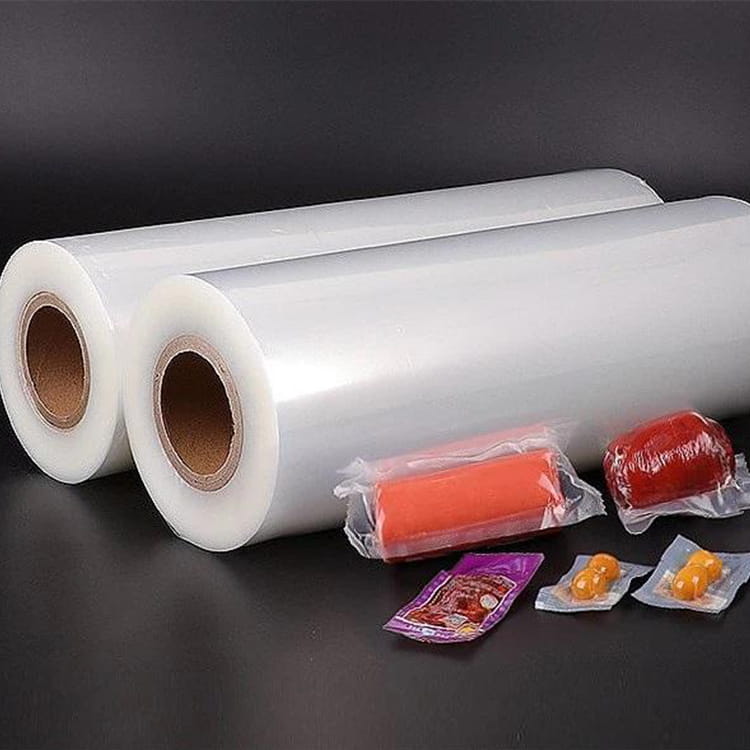
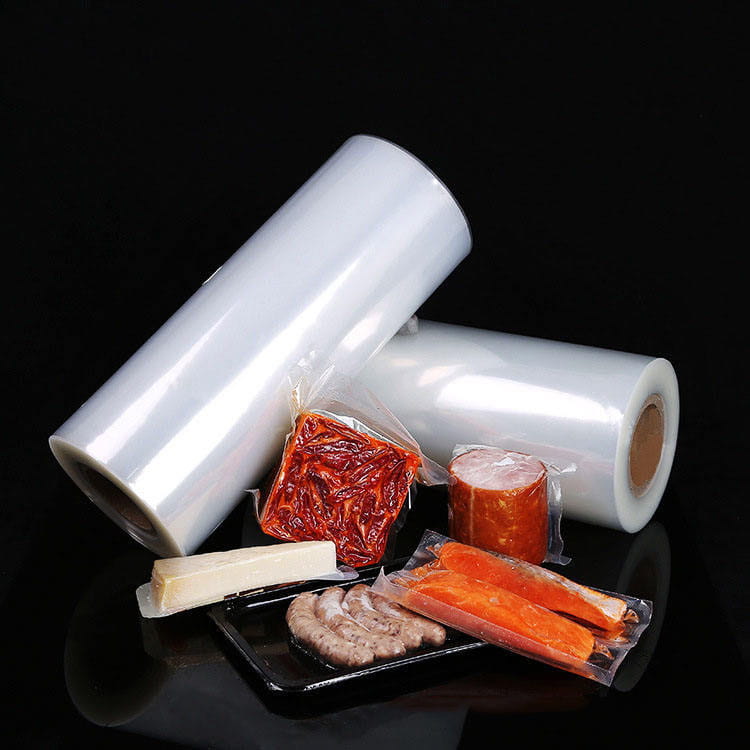
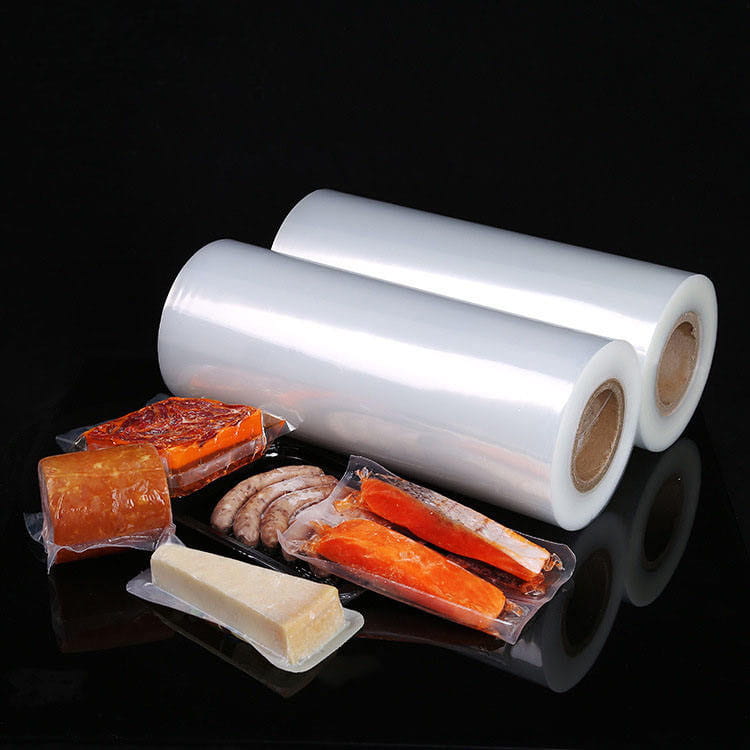
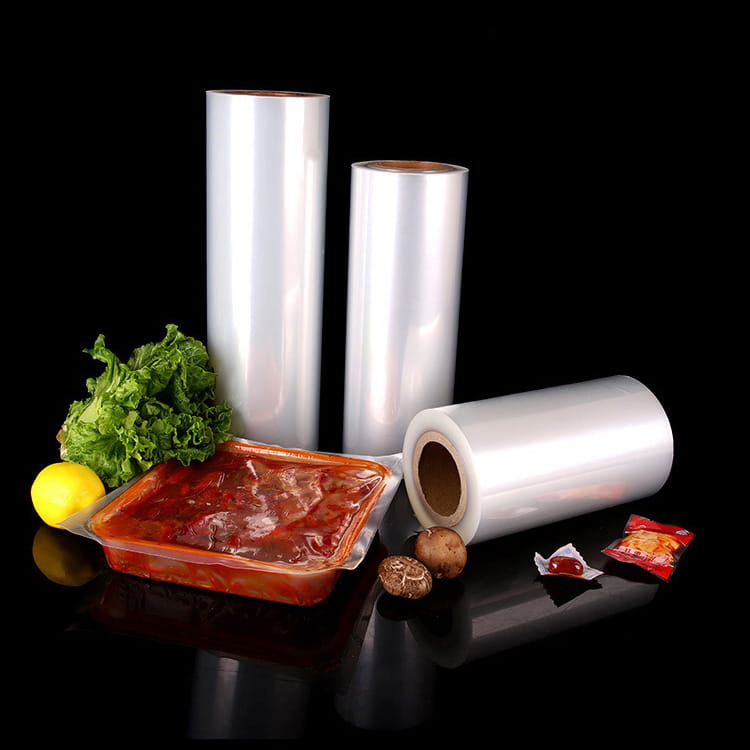
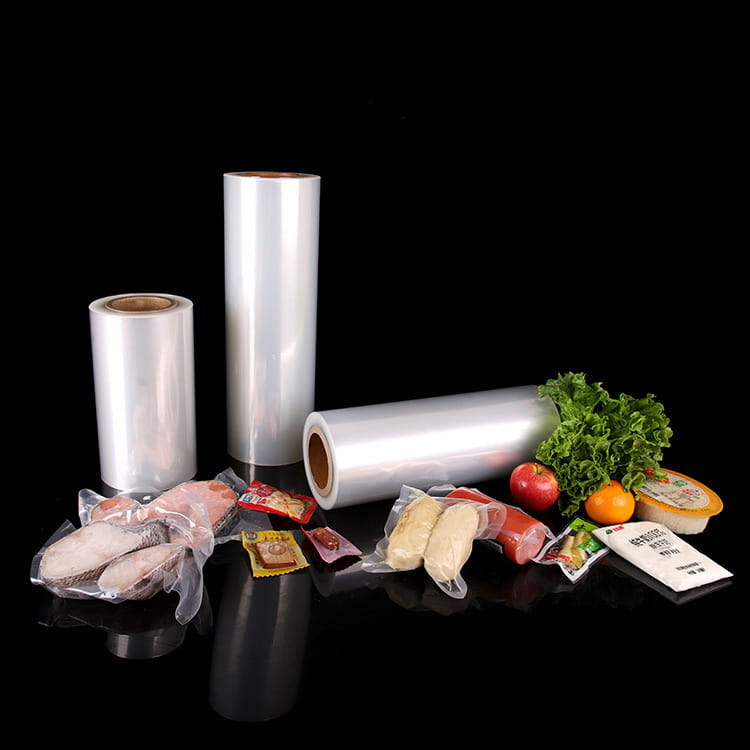
Multi-layer EVOH co-extruded high barrier top and bottom film consists of several polymer layers, with EVOH (ethylene vinyl alcohol) serving as the core barrier layer. The outer layers are typically composed of polymers such as polyethylene (PE), polypropylene (PP), or polyethylene terephthalate (PET), which provide mechanical support, sealing properties, and compatibility with printing and processing techniques. The co-extrusion process ensures uniform distribution of barrier properties while maintaining flexibility and durability in packaging applications.
The core advantages of multi-layer EVOH co-extruded high barrier top and bottom film include:
- Excellent oxygen and gas barrier performance
- Moisture resistance when properly laminated
- Thermal stability for heat sealing and sterilization processes
- Compatibility with a wide range of printing, coating, and adhesive applications
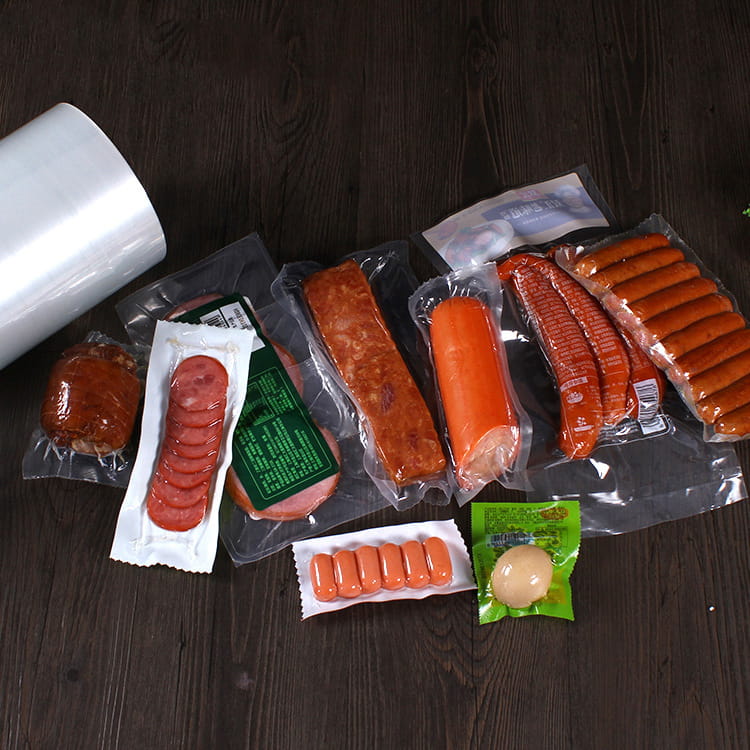
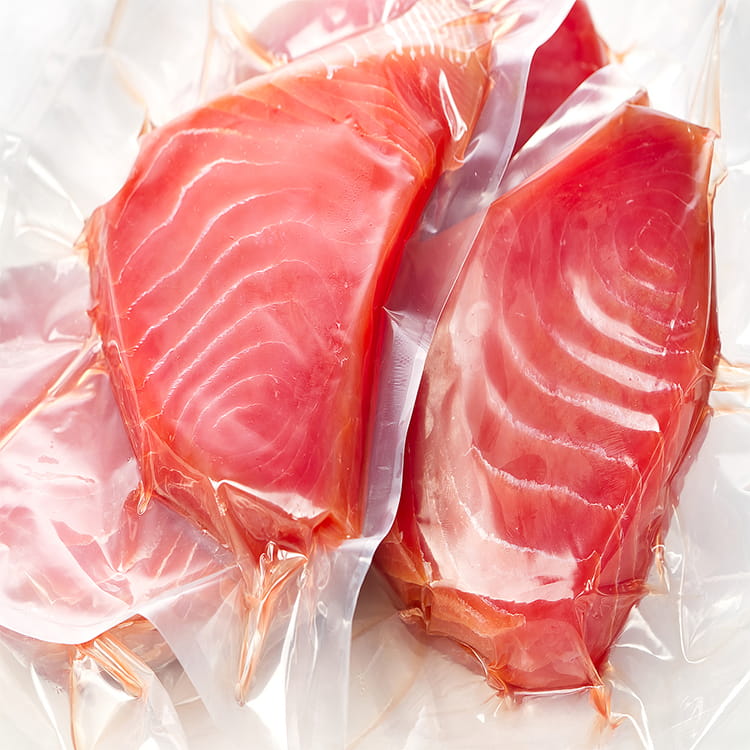
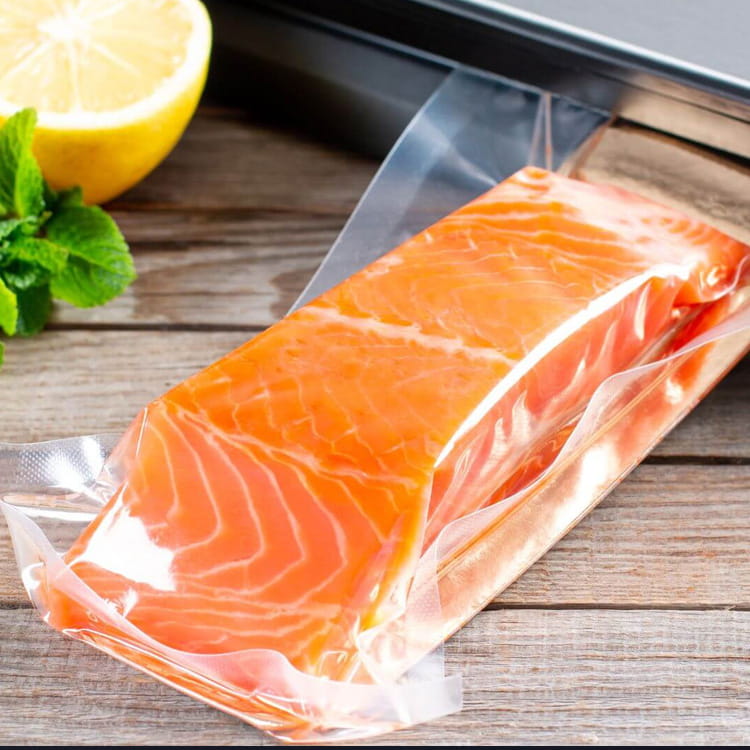
These characteristics make the film highly suitable for food packaging, pharmaceuticals, and sensitive consumer goods.
The role of adhesives in multi-layer EVOH co-extruded high barrier top and bottom film
Adhesives are critical for multi-layer EVOH co-extruded high barrier top and bottom film because they ensure proper bonding between the film layers or with other packaging materials. The selection of adhesive affects several performance aspects:
- Barrier retention: The adhesive must not compromise the oxygen or moisture barrier properties of the EVOH core.
- Sealing strength: Adhesives contribute to the mechanical integrity and heat-seal performance of the film.
- Process compatibility: Adhesives must withstand lamination, extrusion coating, or printing without degradation.
- Environmental compliance: Food-grade and medical-grade adhesives must meet regulatory standards.
Adhesives for multi-layer EVOH co-extruded high barrier top and bottom film are chosen based on these considerations, along with the nature of the substrate and intended application.
Types of adhesives compatible with multi-layer EVOH co-extruded high barrier top and bottom film
Adhesives for multi-layer EVOH co-extruded high barrier top and bottom film can be broadly classified into solvent-based, water-based, hot melt, and solventless types. Table 1 summarizes their characteristics and typical applications.
| Adhesive Type | Key Characteristics | Typical Applications | Compatibility Notes |
|---|---|---|---|
| Solvent-based adhesives | High bonding strength; fast curing; can bond difficult substrates | Laminates for flexible packaging, pharmaceutical pouches | Requires solvent recovery systems; suitable for PE/PET layers |
| Water-based adhesives | Low VOC; environmentally friendly; moderate bonding strength | Food packaging, consumer products | Good adhesion to PE and PET; may require surface treatment for EVOH layer |
| Hot melt adhesives | Rapid set; high thermal resistance; no solvents | Heat-sealed pouches, cold-bonded laminates | Works well with PE, PP, and PET outer layers; must ensure EVOH barrier is not compromised by heat |
| Solventless adhesives | Two-component or reactive adhesives; strong chemical bonding | High-barrier laminates, industrial packaging | Excellent adhesion; suitable for multi-layer co-extruded films; curing conditions must be optimized |
Among these, solventless adhesives and water-based acrylic adhesives are increasingly preferred for applications requiring food-grade compliance and environmental safety, while hot melt adhesives are widely used for efficient, high-speed packaging lines.
Adhesive bonding mechanisms with multi-layer EVOH co-extruded high barrier top and bottom film
The performance of adhesives on multi-layer EVOH co-extruded high barrier top and bottom film depends on the bonding mechanism between the adhesive and polymer layers. Key mechanisms include:
- Mechanical interlocking: Adhesives penetrate micro-textures or surface irregularities in PE, PP, or PET layers to form a strong bond.
- Chemical bonding: Reactive adhesives can form covalent or hydrogen bonds with polar sites on EVOH or other polymer layers.
- Van der Waals interactions: Non-polar layers, such as PE, rely on molecular interactions with specific adhesive formulations.
- Surface energy modification: Pre-treatment methods, such as corona, plasma, or flame treatment, increase surface energy and improve adhesive wettability.
Multi-layer EVOH co-extruded high barrier top and bottom film often requires a combination of these mechanisms to achieve optimal adhesion without compromising barrier properties.
Processing considerations for adhesive application
When using adhesives with multi-layer EVOH co-extruded high barrier top and bottom film, several processing factors must be considered:
- Surface treatment: Polarization techniques such as corona or plasma enhance adhesion on low-energy polymer surfaces.
- Curing conditions: Temperature, pressure, and time must be controlled to avoid damage to the EVOH layer.
- Layer sequence: Adhesive application should respect the multi-layer structure, typically bonding outer PE or PET layers while preserving the EVOH barrier.
- Moisture control: Some adhesives are sensitive to moisture during curing, which may affect bonding strength.
Table 2 outlines key processing parameters for common adhesive types.
| Adhesive Type | Surface Preparation | Typical Curing Temperature | Typical Pressure | Notes |
|---|---|---|---|---|
| Solvent-based | Clean, corona-treated | 60–120°C | 2–5 MPa | Solvent evaporation must be controlled |
| Water-based | Clean, corona-treated | Ambient–80°C | 1–3 MPa | May require drying tunnels |
| Hot melt | Clean, optional plasma | 120–160°C | 1–4 MPa | Rapid cooling ensures bond integrity |
| Solventless | Clean, flame-treated | 50–100°C (reactive cure) | 2–6 MPa | Two-component adhesives require precise mixing |
Careful control of these parameters ensures multi-layer EVOH co-extruded high barrier top and bottom film maintains its high-barrier performance while achieving reliable adhesion.
Industry-specific applications
Adhesive compatibility with multi-layer EVOH co-extruded high barrier top and bottom film varies across different industry applications. Key sectors include:
- Food packaging: Ensures oxygen and moisture barrier retention for perishable products. Adhesives must be food-grade and heat-stable.
- Pharmaceuticals: Requires sterilizable, non-toxic adhesives compatible with sensitive APIs.
- Consumer goods: Adhesives enhance lamination, print adhesion, and package aesthetics without compromising barrier performance.
- Industrial packaging: High-strength adhesives ensure durability in bulk handling, mechanical stress, and extended storage conditions.
Evaluation of adhesive performance
Performance assessment of adhesives on multi-layer EVOH co-extruded high barrier top and bottom film involves several testing methods:
- Peel and tack tests: Evaluate bond strength between the adhesive and film layers.
- Heat-seal integrity tests: Confirm sealing performance under processing temperatures.
- Barrier retention analysis: Measure oxygen and moisture transmission after lamination.
- Environmental aging: Test adhesive performance under humidity, temperature fluctuations, and UV exposure.
These tests ensure that the selected adhesive maintains the film’s high-barrier properties throughout its intended lifecycle.
Innovations and future trends
Emerging trends in adhesives for multi-layer EVOH co-extruded high barrier top and bottom film focus on sustainability, regulatory compliance, and enhanced processability:
- Development of bio-based and solvent-free adhesives to reduce environmental impact.
- Reactive adhesives with lower curing temperatures to protect heat-sensitive films.
- Tailored adhesive formulations for ultra-thin multi-layer films used in high-speed packaging lines.
- Integration with functional coatings, such as anti-fog or antimicrobial layers, without compromising adhesion.
These innovations aim to maximize performance while minimizing environmental and operational constraints.
Conclusion
Selecting the correct adhesive for multi-layer EVOH co-extruded high barrier top and bottom film is essential for preserving the film’s barrier properties, ensuring reliable lamination and sealing, and meeting regulatory requirements. The compatibility of adhesives depends on their chemical nature, curing method, processing parameters, and the intended application.
Frequently Asked Questions (FAQ)
Q1: Can water-based adhesives provide sufficient bonding for multi-layer EVOH co-extruded high barrier top and bottom film?
A1: Yes, water-based adhesives, particularly acrylic formulations, can provide reliable bonding for PE and PET outer layers when combined with appropriate surface treatments, while maintaining food-grade compliance.
Q2: Are hot melt adhesives compatible with multi-layer EVOH co-extruded high barrier top and bottom film?
A2: Hot melt adhesives are widely used due to their rapid setting and thermal resistance. Careful temperature control ensures the EVOH barrier remains intact.
Q3: Do solventless adhesives affect the barrier properties of multi-layer EVOH co-extruded high barrier top and bottom film?
A3: Properly formulated solventless adhesives do not compromise barrier performance. They are particularly suited for high-barrier laminates and industrial applications.
Q4: Is surface treatment necessary for adhesive bonding?
A4: Yes, techniques like corona, plasma, or flame treatment enhance surface energy, improving adhesive wettability and bond strength on low-energy polymer layers.
Q5: Can adhesives be used for food and pharmaceutical packaging?
A5: Yes, adhesives for multi-layer EVOH co-extruded high barrier top and bottom film can be formulated to meet food-grade and medical-grade regulatory standards, ensuring safety and compliance.
References
- Packaging Innovations Journal. “Advances in Multi-Layer Co-Extruded Films and Adhesive Compatibility.” 2023.
- Food Packaging Forum. “Adhesives for High-Barrier EVOH Films in Food Applications.” 2022.
- Industrial Adhesives Review. “Surface Treatment and Adhesion Strategies for Multi-Layer Films.” 2023.