

 English
 عربى
عربى


1. Defining Polyethylene Film Types: LDPE, LLDPE, and HDPE
Polyethylene (PE) films dominate flexible packaging due to their versatility, chemical resistance, and cost efficiency. Industrial applications rely on three major subgroups: ldpe film (low-density polyethylene), lldpe film (linear low-density polyethylene), and hdpe film (high-density polyethylene). Each offers distinct mechanical and optical properties determined by polymer chain branching and crystallinity. Understanding these differences is fundamental for polyethylene film manufacturers when engineering solutions for food packaging, agricultural covers, or heavy-duty industrial liners.
LDPE is characterized by high flexibility, clarity, and impact strength. LLDPE provides superior tensile strength and puncture resistance due to its linear structure with short branches. HDPE exhibits high crystallinity, offering stiffness, barrier performance, and excellent chemical resistance. The table below summarizes key technical parameters commonly referenced in blown film lines and extrusion coating processes.
| Property | LDPE Film | LLDPE Film | HDPE Film |
|---|---|---|---|
| Density (g/cm³) | 0.917 – 0.930 | 0.915 – 0.925 | 0.941 – 0.965 |
| Tensile Strength (MD, MPa) | 10 – 20 | 25 – 45 | 25 – 40 |
| Elongation at Break (%) | 400 – 650 | 500 – 800 | 200 – 500 |
| Water Vapor Transmission Rate (WVTR, g/(m²·day)) | 6 – 15 | 5 – 12 | 2 – 6 |
| Optical Clarity | High | Medium-High | Low-Opaque |
| Typical Applications | Shrink film, light packaging, bags | Stretch wrap, heavy-duty sacks, liners | Groceries, T-shirt bags, industrial sheeting |
In modern manufacturing, blending LDPE and LLDPE optimizes processability while maintaining toughness. For high-strength applications, hdpe film manufacturers often use cast or blown film coextrusion to combine HDPE’s rigidity with sealing layers. These property profiles directly influence die design, cooling efficiency, and winding tension in polyethylene film roll production lines.
2. Blown Film Extrusion: Core Technology for Tubular Films
Blown film extrusion remains the most widespread technique for producing ldpe film, lldpe film, and multi-layer coextruded structures. In this process, molten polymer is forced upward through an annular die, inflated by internal air to form a bubble, cooled by an air ring, and collapsed into flat polyethylene film roll stock. Key control variables include blow-up ratio (BUR), frost line height (FLH), and take-off speed, which collectively determine film mechanical orientation and thickness profile.
Industrial data indicates that BUR ranging from 2:1 to 4:1 yields balanced tensile properties in MD/TD direction. Modern blown film lines incorporate automatic profile control, IBC (internal bubble cooling), and gravimetric dosing to maintain gauge variation below ±5%. A typical line for industrial polyethylene rolls can output 250–500 kg/h for monolayer HDPE, while multi-layer lines (3, 5, or 7 layers) enhance barrier by integrating PA or EVOH layers. The schematic below illustrates essential components of a blown film extrusion system.
Advanced blown film lines now integrate real-time thickness monitoring via capacitive sensors and automatic die bolt heating, enabling custom poly sheeting production with tight tolerances (±5–8%). These technical upgrades are crucial for industrial polyethylene rolls that require consistent lay-flat width and reduced material waste.
3. Advanced Coextrusion: Engineering PA/PE Film and PA/PP Film Structures
For demanding barrier applications — such as vacuum packaging, modified atmosphere packaging (MAP), and chemical containment — single-layer PE films are insufficient. Engineers rely on multi-layer coextrusion combining polyamide (PA) with polyolefins. Notably, pa/pe film and pa/pp film represent advanced engineered structures that bridge oxygen barrier (PA layer) with sealability and moisture resistance (PE or PP layers). Such films deliver oxygen transmission rates (OTR) as low as 2–8 cm³/(m²·day·atm) at 23°C and 50% RH, compared to >2000 cm³ for standard PE.
In a typical 5-layer coextrusion configuration (PA/tie/PE/tie/PA or symmetric PA/PE), the PA core contributes to puncture resistance, aroma retention, and mechanical strength. For thermoforming applications, pa/pp film provides higher heat resistance (melting point >160°C) compared to PE-based structures, making it ideal for retort pouches or hot-fill packaging. Data from industrial trials show that coextruded PA/PE film reduces package failure rate by 40% in frozen food segments due to enhanced flex-crack resistance.
Key advantages of PA/PE and PA/PP coextrusion
- Oxygen barrier improvement up to 98% versus monolayer PE.
- Excellent thermoformability for deep-draw trays (≥6 mm draw ratio).
- Enhanced chemical resistance against oils, fats, and solvents.
- Compatibility with high-speed form-fill-seal lines.
Leading polyethylene film manufacturers adopt multi-layer blown or cast lines with dedicated tie-layer resins to ensure interlayer adhesion > 4 N/15mm. The result is durable polyethylene film roll stock that meets rigorous food contact regulations and industrial standards like EN 13678.
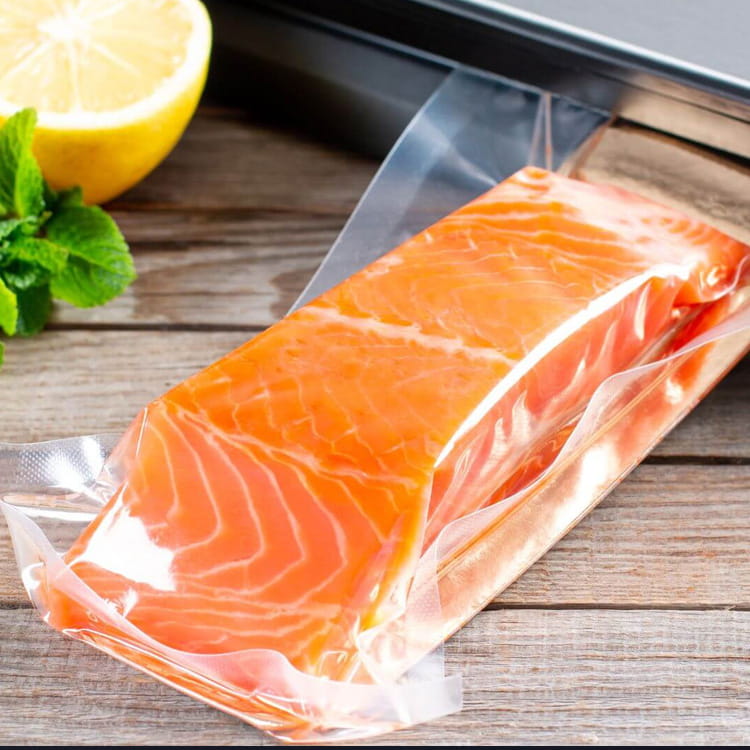
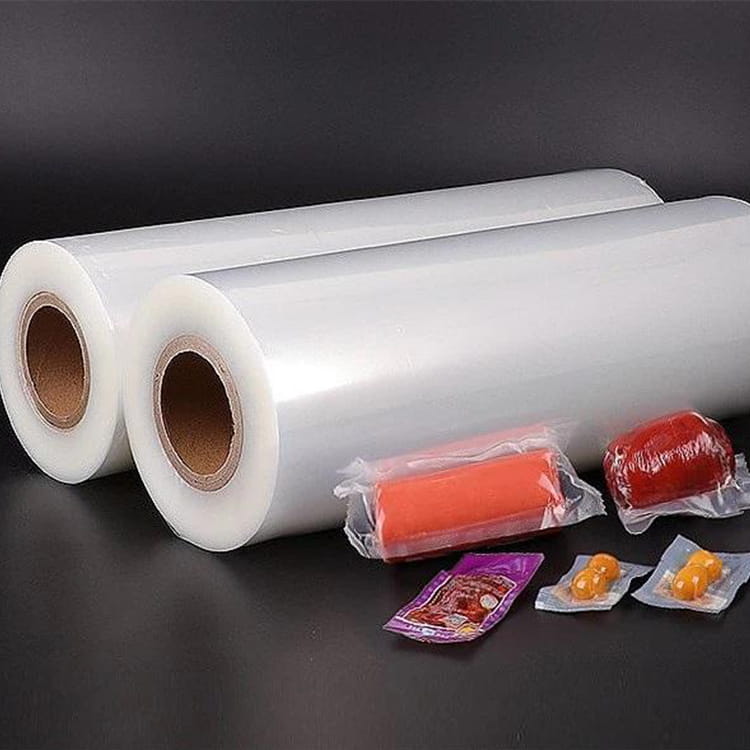
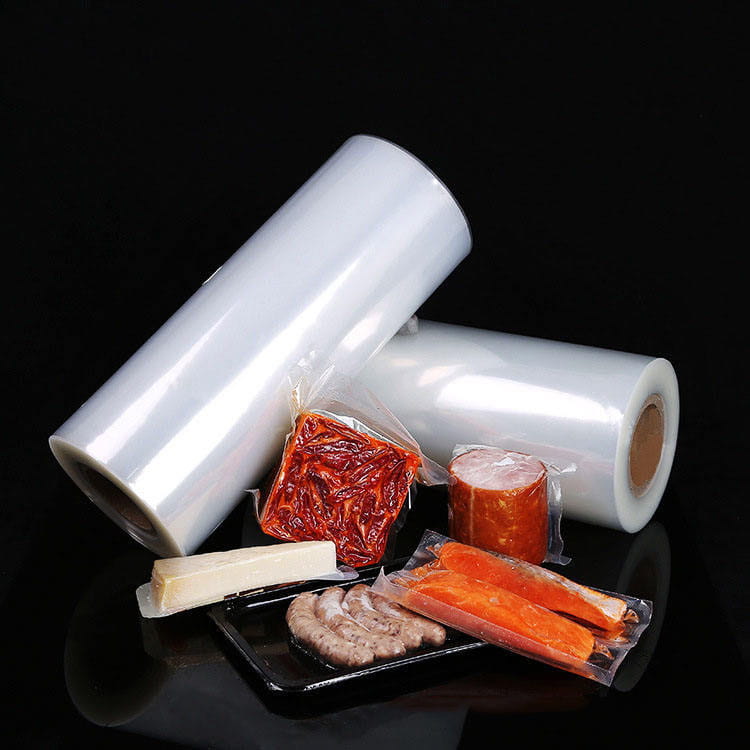
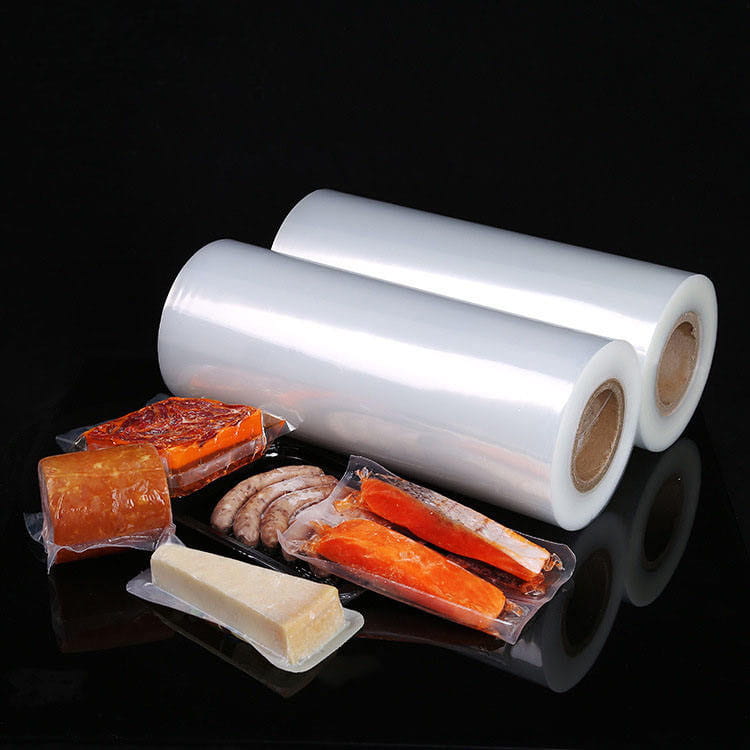
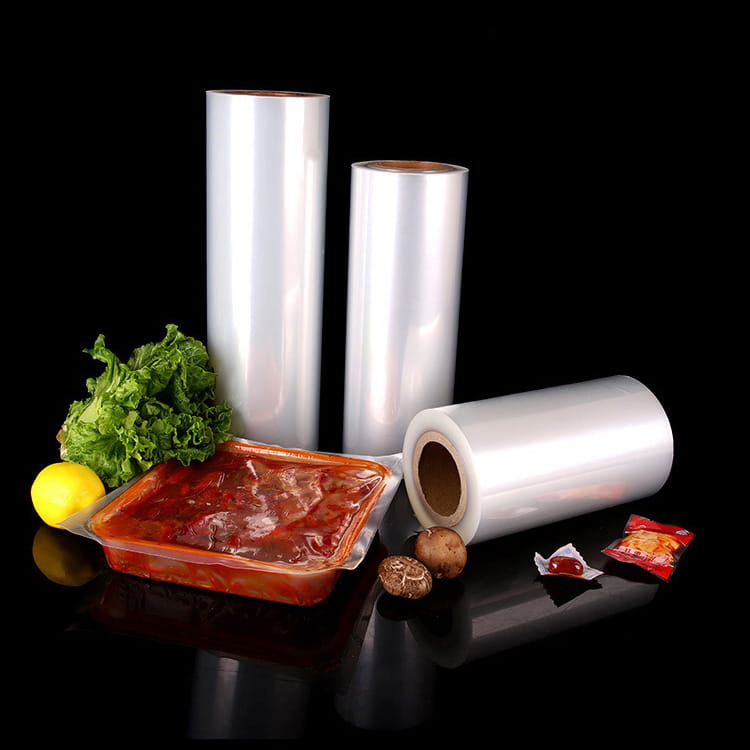
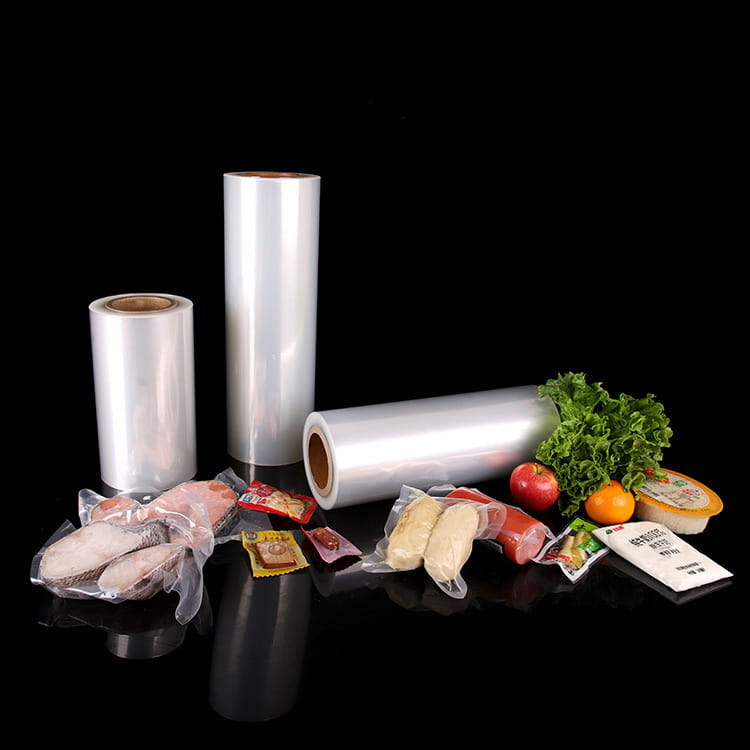
Figure: Multi-layer polyethylene roll production — example of industrial coextrusion for barrier films.
4. Technical Parameters for Custom Poly Sheeting and Industrial Rolls
Manufacturing custom poly sheeting and industrial polyethylene rolls requires precise control over width, thickness, core diameter, and mechanical properties. Typical polyethylene film roll dimensions range from 500 mm to 3000 mm in width, with roll outer diameters up to 1000 mm (core inner diameter 76 mm or 152 mm). For heavy-duty industrial covers or construction vapor barriers, HDPE sheeting of 100–300 µm thickness is manufactured with UV stabilizers and anti-slip surface treatments.
A crucial parameter in blown film extrusion for custom sheeting is the layflat width, which directly correlates with bubble circumference and winder tension. In addition, the following table outlines typical specifications for lldpe film and ldpe film industrial rolls:
| Parameter | Custom LDPE Sheeting | Industrial LLDPE Rolls | HDPE Heavy-Duty Rolls |
|---|---|---|---|
| Thickness range (µm) | 25 – 250 | 40 – 200 | 80 – 350 |
| Max roll width (mm) | 2800 | 3000 | 2500 |
| Tensile strength (MD, MPa) | 15–22 | 35–50 | 28–45 |
| Impact strength (Dart drop, g) | 150–350 | 350–800 | 200–500 |
| Additive options | Slip, antiblock, UV | Anti-static, slip | UV, carbon black |
For custom poly sheeting, manufacturers adjust extruder screw design (barrier screws with mixing sections) and die gap (0.8–2.5 mm) to maintain thickness uniformity. High-speed winders with closed-loop tension control eliminate telescoping and ensure consistent roll hardness, essential for downstream converting processes like bag making or lamination.
5. Key Applications Leveraging Polyethylene Film Rolls Across Industries
The adaptability of ldpe film, lldpe film and coextruded structures translates into a wide spectrum of applications. Each market demands specific mechanical, optical, and barrier profiles:
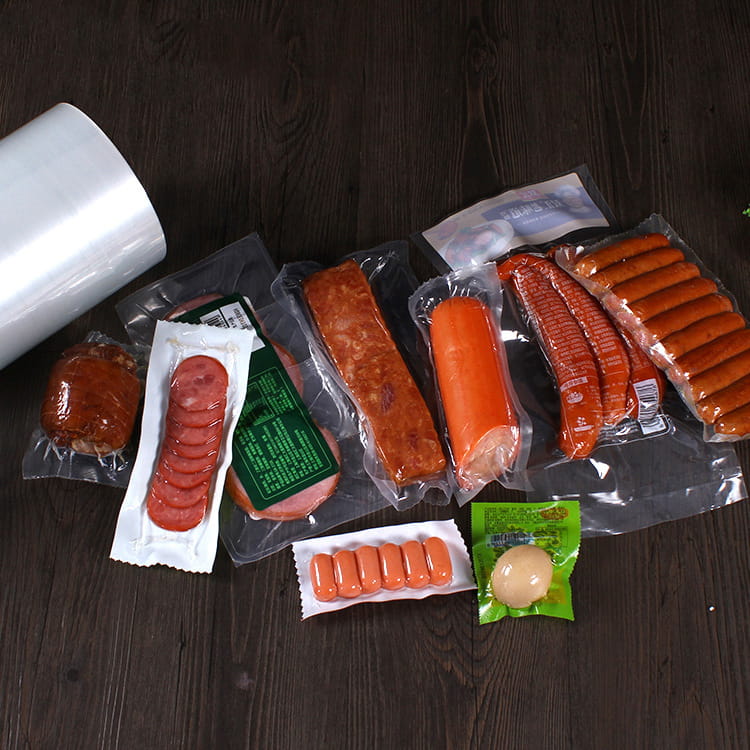
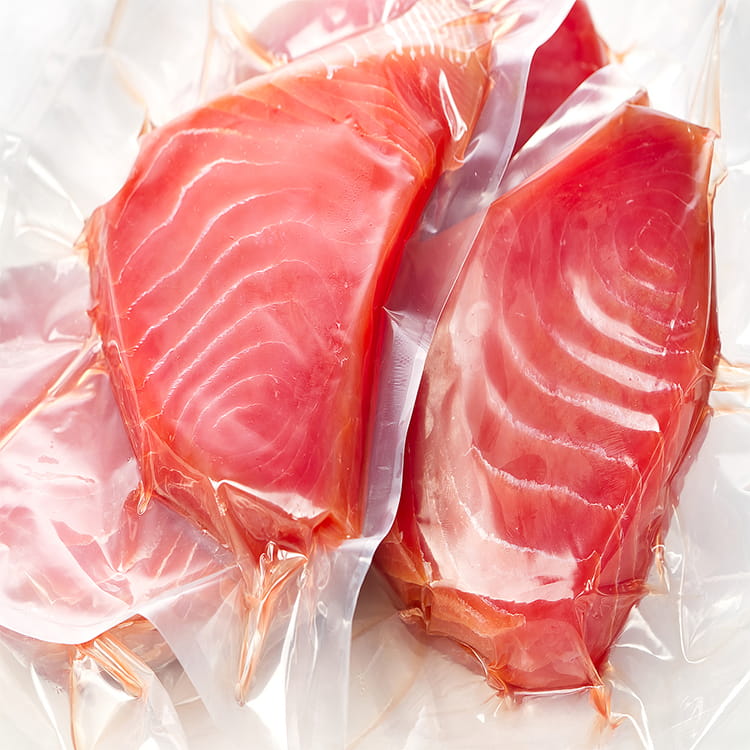
- Food packaging: LDPE-based shrink films for poultry trays, LLDPE stretch hood for pallet wrapping, and pa/pe film for cheese or meat preservation (extending shelf life from 7 to 21 days).
- Agricultural films: UV-stabilized LDPE for greenhouse covers (lifetime 12–24 months) and silage stretch films using multilayer LLDPE/tie/EVOH to reduce oxygen ingress by 90%.
- Heavy-duty industrial sacks: Coextruded HDPE/LLDPE films with 120–180 µm thickness, achieving top-load resistance > 400 N for construction materials or chemical powders.
- Medical & hygiene: Breathable films produced by adding calcium carbonate fillers to PE, then stretching to create micropores; used in surgical drapes and protective covers.
Market analyses show that global demand for industrial polyethylene rolls grows at 4.2% annually, driven by e-commerce packaging and automation. Polyethylene film manufacturers invest in blown film lines with oscillating haul-offs to reduce gauge bands, guaranteeing roll quality that meets ASTM D2103 standards.
6. Quality Control and Material Selection for Film Manufacturers
Consistent production of high-performance polyethylene film roll inventory relies on rigorous quality protocols. Polyethylene film manufacturers utilize lab testing for melt flow index (MFI), gel count, and optical properties. For blown film lines, online monitoring systems track thickness via capacitive or beta gauge sensors, providing closed-loop feedback to the automatic die. Tensile testing according to ASTM D882 is mandatory for custom orders requiring specific elongation (e.g., >600% for stretch film).
Material selection involves choosing between Ziegler-Natta or metallocene-catalyzed LLDPE — the latter providing narrower molecular weight distribution and enhanced clarity. For high-performance custom poly sheeting, reclaim ratios must be controlled (<20% post-industrial scrap) to avoid degradation gels. Additionally, electrostatic pinning and corona treatment (38–44 dyne/cm) ensure printability and lamination bond strength. The table below outlines common quality tests and acceptance criteria:
| Test Parameter | Method | Typical Specification (LDPE/LLDPE) |
|---|---|---|
| Thickness variation | ASTM D374 | ±5% of nominal |
| Tensile strength (MD) | ASTM D882 | >20 MPa (LDPE), >35 MPa (LLDPE) |
| Elmendorf tear (MD) | ASTM D1922 | 150 – 400 g |
| COF (film-to-film) | ASTM D1894 | 0.2 – 0.4 |
Advanced manufacturers also perform dynamic mechanical analysis (DMA) to evaluate film modulus at varying temperatures, ensuring industrial polyethylene rolls perform in cold storage (−20°C) or high-heat environments (60°C).
Frequently Asked Questions (FAQ)
Q1: What is the main difference between LDPE film and LLDPE film in extrusion?
LDPE has higher melt strength and is easier to process in blown film lines, offering better clarity and gloss. LLDPE provides superior tensile, puncture, and tear strength but requires higher motor power due to its higher viscosity. Blends of LDPE/LLDPE are common to balance processability with mechanical toughness.
Q2: How does PA/PE film compare to PA/PP film for food packaging?
pa/pe film offers excellent sealability and moisture barrier at low cost, suitable for cold/frozen applications. pa/pp film withstands higher temperatures (retort up to 121°C) and provides superior chemical resistance, ideal for ready meals and hot-fill packaging.
Q3: Can custom poly sheeting be recycled after industrial use?
Yes, most polyethylene industrial rolls are recyclable through mechanical recycling streams. However, multi-material coextrusions (PA/PE) require separation or compatibilizers. Many manufacturers offer take-back programs for post-industrial waste to produce recycled pellets for non-food contact layers.
Q4: What are the typical thickness ranges for HDPE film in heavy-duty applications?
For construction vapor barriers and geomembranes, HDPE film thickness ranges from 150 µm to 500 µm. For grocery sacks or merchandise bags, thickness is typically 10–30 µm. Hdpe film manufacturers often modify density with additives to achieve specific stiffness and tear resistance.
Q5: How can I ensure consistent gauge uniformity in my polyethylene film roll?
Maintain steady melt temperature, use automatic die bolt control with thickness scanning, and optimize cooling air flow around the bubble. Modern blown film lines equipped with IBC (internal bubble cooling) can reduce gauge variation to ±3–5%.