

 English
 عربى
عربى


The Core Difference at a Glance
Barrier films block the passage of gases, moisture, and odors, while non-barrier films do not. This single distinction drives significant differences in shelf life, product protection, and packaging suitability. Barrier films are engineered with specialized layers or coatings — such as EVOH, PVDC, or nylon — that resist oxygen and water vapor transmission. Non-barrier films, typically made from standard polyethylene or polypropylene, offer basic mechanical protection but allow gases and moisture to permeate over time.
For industries like food packaging, medical devices, and industrial components, choosing the right film type is critical. A barrier film can extend meat freshness from 3–5 days to over 21 days under refrigeration, whereas a non-barrier film cannot achieve this level of preservation.
What Is a Barrier Film?
A barrier film is a multi-functional packaging material designed to prevent or significantly reduce the transmission of oxygen (O₂), water vapor (WVTR), carbon dioxide, light, and aromas through the film. These films achieve their barrier properties through one or more of the following strategies:
- Incorporation of high-barrier resins such as EVOH (Ethylene Vinyl Alcohol) or PVDC (Polyvinylidene Chloride)
- Coextrusion of multiple polymer layers, each contributing specific functional properties
- Metallization or oxide coating (e.g., aluminum, SiOx) on film surfaces
- Lamination of dissimilar film types to combine barrier and mechanical strengths
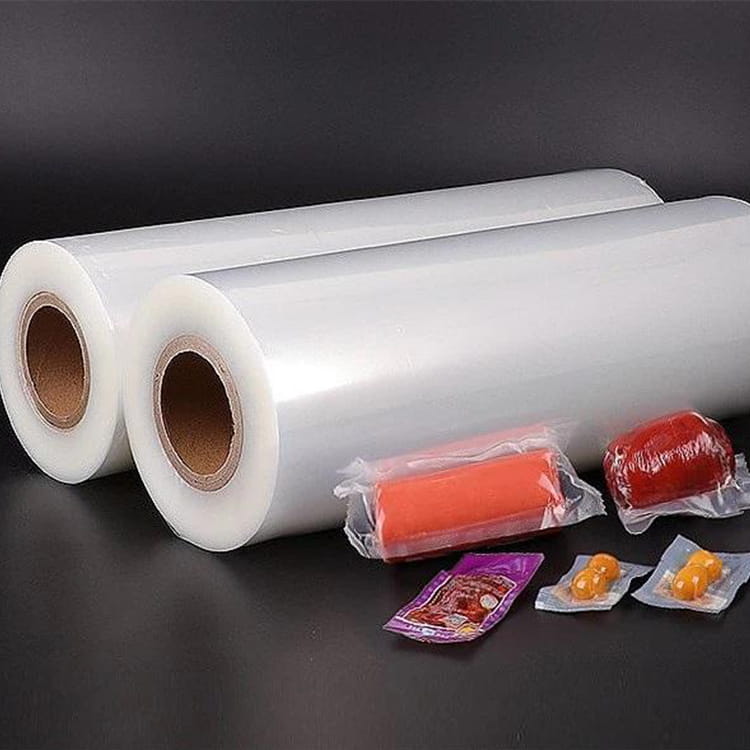
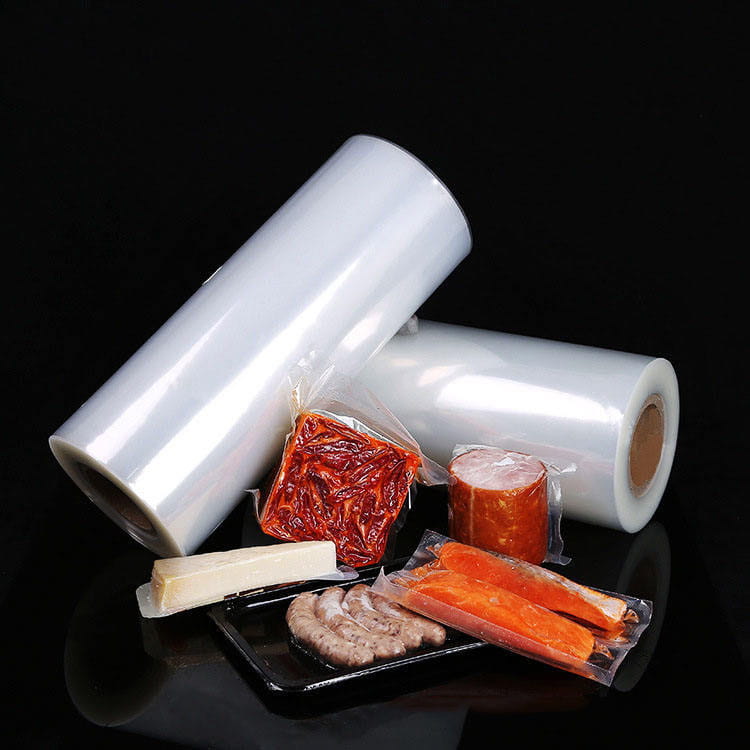
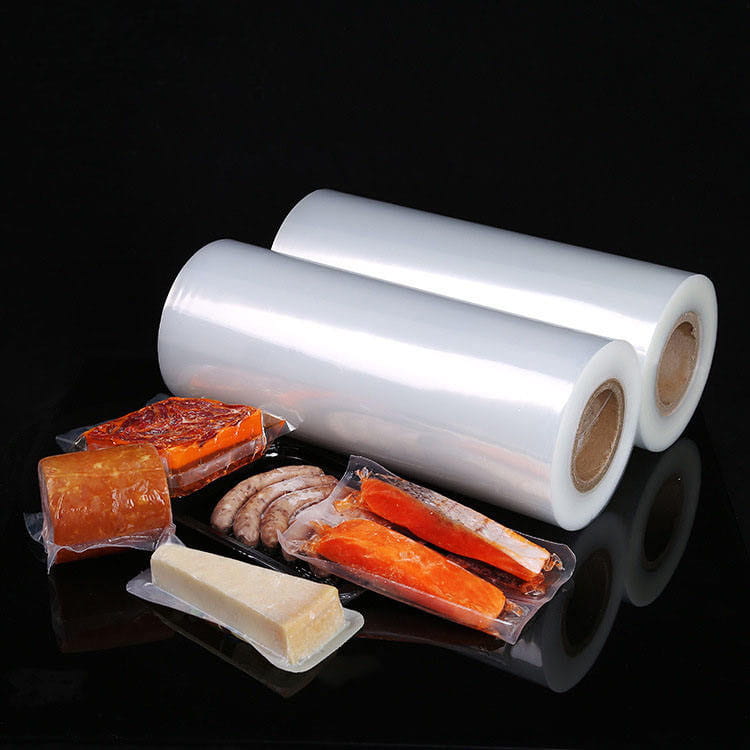
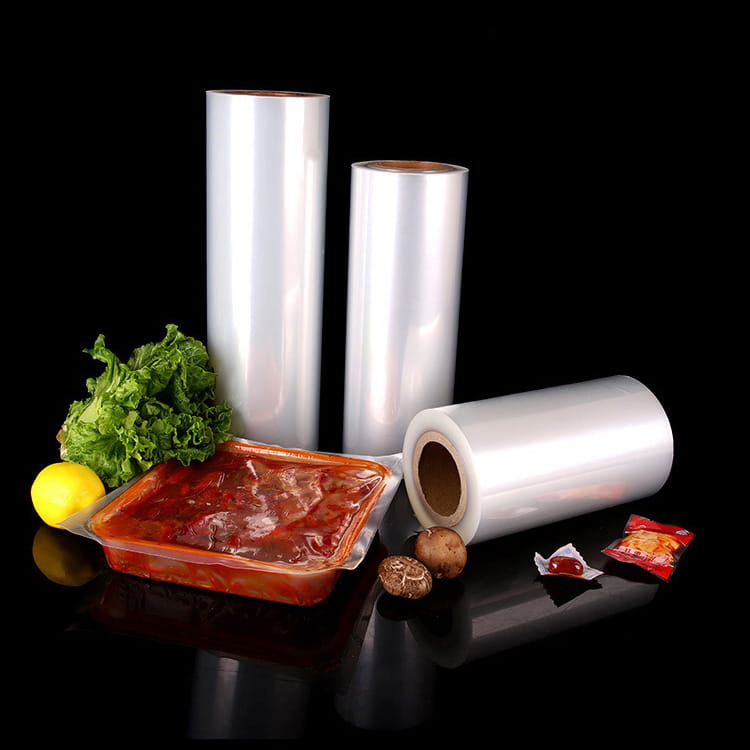
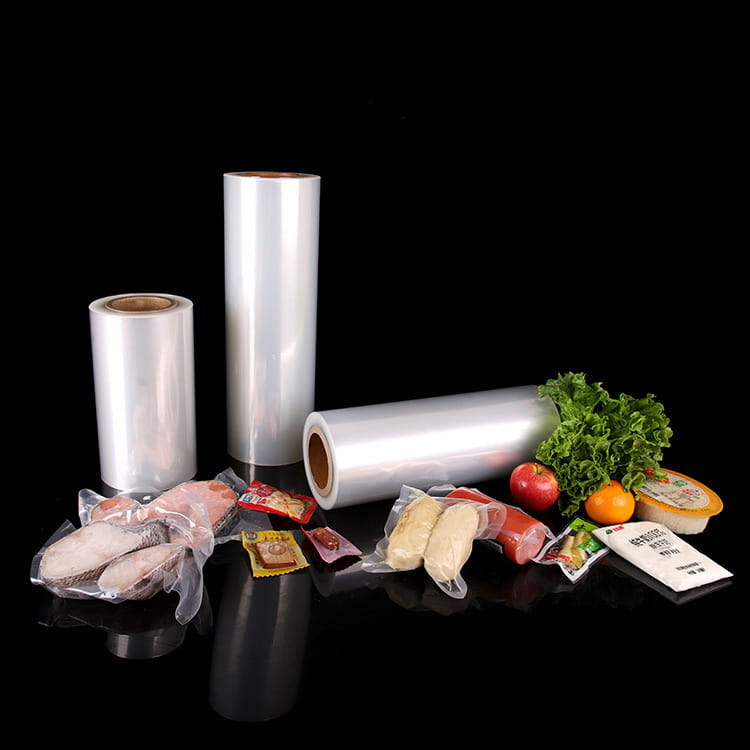
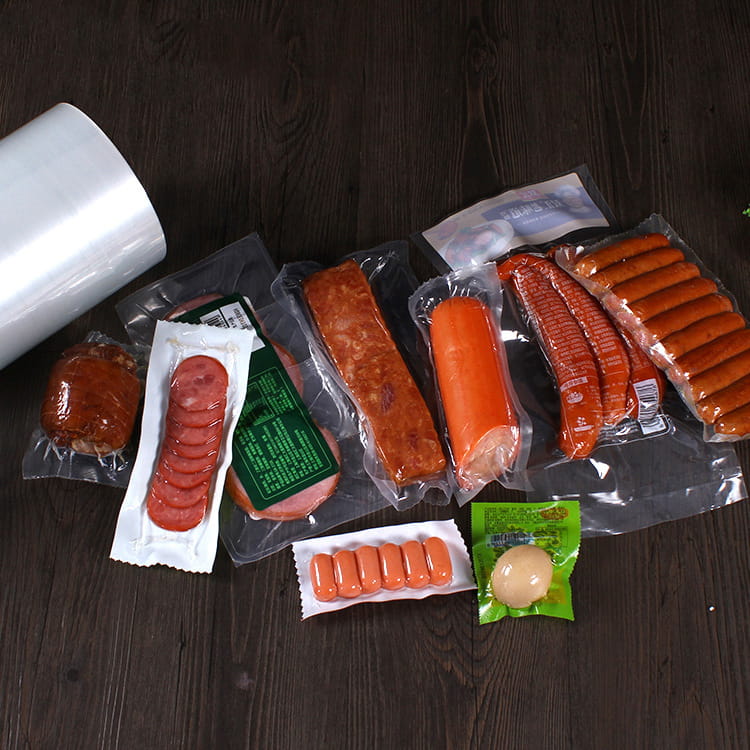
A prime example is the Coextruded High Barrier Vacuum Film, which uses 7-layer coextrusion technology to deliver outstanding oxygen barrier performance alongside excellent puncture resistance and seal strength — making it ideal for vacuum packaging of fresh meat, cheese, and processed foods.
What Is a Non-Barrier Film?
Non-barrier films are single-layer or simple multi-layer packaging films made primarily from commodity polymers such as low-density polyethylene (LDPE), high-density polyethylene (HDPE), or cast polypropylene (CPP). They are primarily valued for their:
- Flexibility and stretchability
- Low cost and wide availability
- Heat sealability and transparency
- Suitability for short shelf-life or non-sensitive products
Non-barrier films work well for products that are not sensitive to oxygen or moisture, such as dry goods, textiles, or items with very short distribution cycles. However, their oxygen transmission rate (OTR) can be 100 to 1,000 times higher than barrier films, making them unsuitable for perishables or oxygen-sensitive goods.
Key Performance Differences: A Side-by-Side Comparison
The table below highlights the major technical and practical differences between barrier and non-barrier films:
| Property | Barrier Film | Non-Barrier Film |
| Oxygen Transmission Rate (OTR) | <1 cc/m²/day (high barrier) | 500–5,000 cc/m²/day |
| Water Vapor Transmission Rate (WVTR) | <1 g/m²/day | 5–30 g/m²/day |
| Typical Layer Count | 3–11 layers (coextruded) | 1–3 layers |
| Shelf Life Extension | Up to 300–500% longer | Minimal to none |
| Typical Applications | Meat, cheese, seafood, pharma, electronics | Dry goods, garments, general retail |
| Cost | Higher (specialized materials) | Lower (commodity resins) |
| Puncture Resistance | High (nylon/PA layers) | Moderate to low |
| Vacuum Packaging Suitability | Excellent | Poor to unsuitable |
How Coextrusion Technology Elevates Barrier Performance
Coextrusion is the manufacturing process of simultaneously extruding multiple layers of different polymers through a single die to form a unified film structure. This technique is fundamental to producing high-performance barrier films. The key advantage is that each layer can be optimized for a specific function:
- Outer layers: Provide abuse resistance, printability, and optical clarity
- Middle barrier layer (e.g., EVOH): Delivers the core oxygen barrier, often achieving OTR values below 0.5 cc/m²/day
- Tie layers: Bond incompatible polymers together to maintain structural integrity
- Inner seal layer: Ensures hermetic, reliable heat seals for vacuum or modified atmosphere packaging
A 7-layer coextruded barrier film, for example, can combine PA (nylon), EVOH, and PE layers to achieve puncture resistance exceeding 15 N/mm and oxygen transmission rates below 1 cc/m²/24h — performance simply unachievable with non-barrier films.
When Should You Choose Barrier Film Over Non-Barrier Film?
Selecting the right film depends on product sensitivity, distribution chain length, and shelf life requirements. Choose a barrier film when:
- The product is perishable and oxygen-sensitive (fresh meat, fish, deli slices, cheese)
- Vacuum or modified atmosphere packaging (MAP) is required
- The product must maintain appearance, flavor, or aroma over weeks or months
- Moisture ingress would damage the product (electronics, pharmaceuticals, dry foods)
- Packaging must withstand freezing, refrigeration, or high-humidity environments
Choose a non-barrier film when:
- The product has a short shelf life and rapid turnover (e.g., same-day bakery goods)
- Cost minimization is critical and product sensitivity is low
- The packaging is primarily for containment and display, not preservation
Barrier Film in Vacuum Packaging: A Practical Example
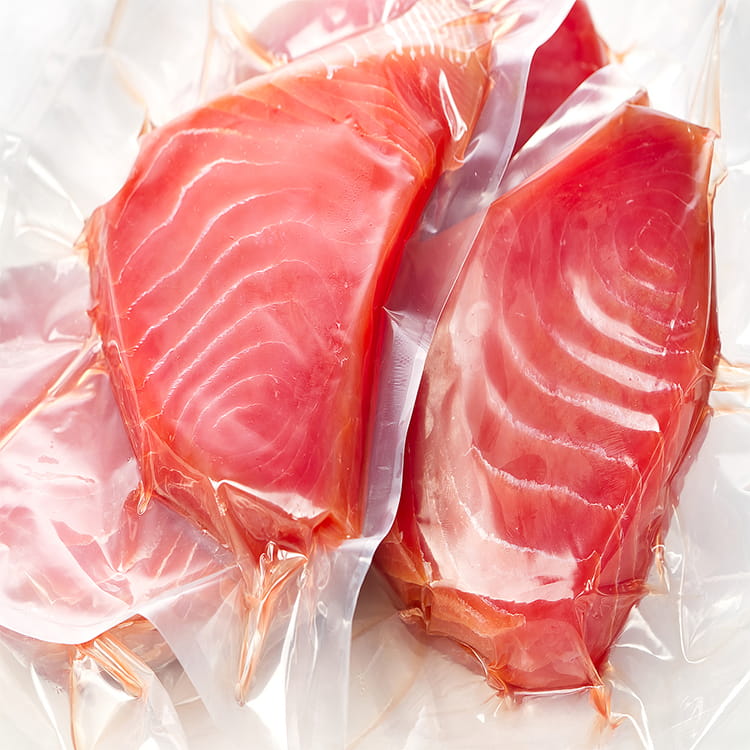
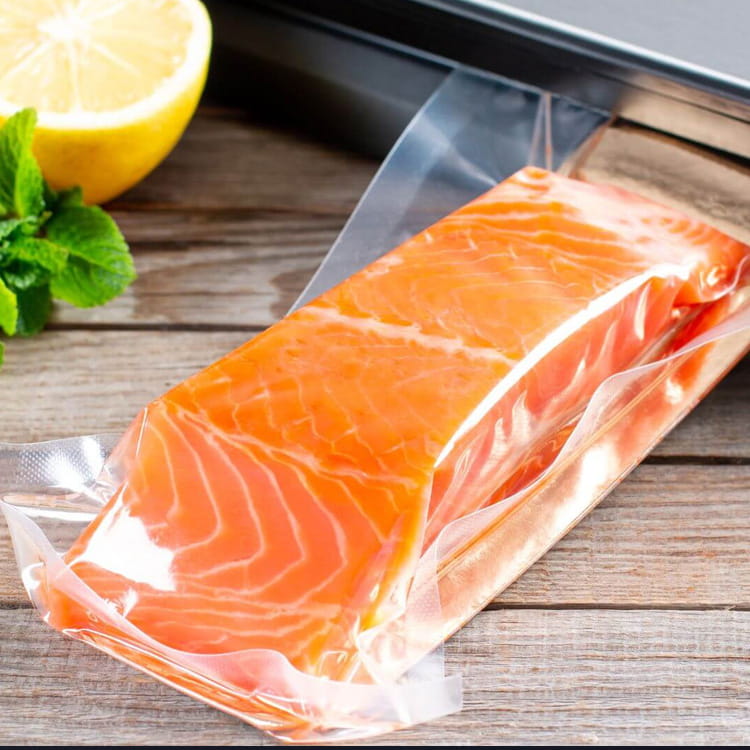
Vacuum packaging removes oxygen from the package interior before sealing, creating an anaerobic environment that inhibits aerobic bacterial growth and oxidation. For this process to be effective, the film must maintain its barrier integrity even under the mechanical stress of vacuum drawing and heat sealing.
In practice, a high barrier vacuum film used for fresh red meat must:
- Maintain an OTR below 10 cc/m²/day to prevent discoloration and spoilage
- Resist puncture from bone fragments — requiring a minimum puncture strength of 10–20 N
- Provide deep draw capability for thermoforming applications without cracking barrier layers
- Deliver a consistent, airtight heat seal at temperatures between 130°C and 160°C
Non-barrier films cannot meet these requirements. Their high OTR would allow oxygen ingress within 24–48 hours, causing myoglobin oxidation and turning meat brown — making the product unsaleable even if microbiologically safe.
Environmental Considerations
Barrier films have historically been more challenging to recycle due to their multi-layer, multi-material construction. However, the packaging industry has made significant advances:
- Mono-material barrier films using all-polyethylene or all-polypropylene structures with barrier coatings are increasingly available and recyclable in standard streams
- Thinner gauge barrier films reduce overall material use — modern coextruded films achieve equivalent barrier performance at 30–40% less total thickness than older laminate structures
- By extending shelf life and reducing food waste, barrier films often have a lower net environmental impact than non-barrier alternatives that lead to higher product spoilage rates
Frequently Asked Questions
Q1: Can a non-barrier film be used for vacuum packaging?
Technically yes, but it is not effective. Non-barrier films allow oxygen to permeate back through the film wall quickly, negating the benefits of vacuum packaging. For reliable vacuum packaging, a coextruded high barrier vacuum film is required.
Q2: What makes EVOH such an effective barrier material?
EVOH has an extremely ordered crystalline structure that physically blocks gas molecules. It can achieve OTR values as low as 0.01–0.1 cc/m²/day, making it one of the most effective oxygen barrier polymers available for food packaging.
Q3: How many layers does a typical high barrier film have?
High barrier films commonly use 5, 7, or 9 layers. Seven-layer structures are widely used in vacuum and MAP packaging as they offer the best balance of barrier performance, mechanical strength, and cost efficiency.
Q4: Is barrier film more expensive than non-barrier film?
Yes, barrier films cost more due to specialized resins and complex manufacturing. However, the cost is typically offset by reduced product losses, extended shelf life, and lower food waste across the supply chain.
Q5: Can barrier films be printed on?
Yes. Most coextruded barrier films are designed with outer layers suitable for flexographic or rotogravure printing, enabling high-quality graphics without compromising the inner barrier layers.
Q6: What is the difference between high barrier and medium barrier film?
High barrier films have an OTR below 1 cc/m²/day and are used for highly oxygen-sensitive products like fresh meat or pharmaceuticals. Medium barrier films typically have an OTR of 1–10 cc/m²/day and suit products with moderate sensitivity, such as processed meats or certain cheeses.