

 English
 عربى
عربى


The Short Answer: Foods You Should Never Vacuum Seal
Not every food is safe to store in a food vacuum sealer bag. While vacuum sealing is an excellent method for extending shelf life by removing oxygen and slowing spoilage, certain foods become dangerous or degrade in quality when sealed this way. The most critical category to avoid is soft, fresh cheeses and raw mushrooms, garlic in oil, and cruciferous vegetables — all of which pose safety or quality risks when vacuum sealed at room temperature or improperly stored.
Understanding which foods are incompatible with vacuum sealing helps you avoid foodborne illness, prevent spoilage, and get the most out of your food storage system.
Anaerobic Bacteria Risk: The Most Dangerous Foods to Vacuum Seal
The biggest safety concern with vacuum sealing is the creation of a low-oxygen environment — exactly the condition in which anaerobic bacteria like Clostridium botulinum thrive. These bacteria don't need oxygen to grow and can produce botulism toxin, which is lethal even in tiny amounts.
Garlic and Onions in Oil
Raw garlic stored in oil — whether in a vacuum-sealed bag or jar — creates perfect conditions for botulism. The USDA and food safety agencies consistently warn against this combination at room temperature. Even refrigerated, garlic-in-oil mixtures should be used within 7 days. Vacuum sealing garlic alone in a dry bag is lower risk, but garlic with any moisture remains hazardous.
Fresh Mushrooms
Mushrooms are a porous food with high moisture content. When vacuum sealed, they continue to respire and release gases, accelerating decomposition rather than slowing it. More critically, the anaerobic environment can encourage bacterial growth. If you want to store mushrooms long-term, dehydrate them first before placing them in a vacuum sealer bag.
Raw Root Vegetables with Soil
Soil-contaminated vegetables like potatoes, beets, and carrots can harbor Clostridium botulinum spores. Vacuum sealing unwashed root vegetables significantly elevates the risk. Always wash and blanch root vegetables before vacuum sealing.
Quality Degradation: Foods That Won't Store Well When Vacuum Sealed
Some foods aren't dangerous when vacuum sealed but will suffer major quality loss. These are foods to avoid sealing in their raw or unprocessed form.
Soft, Fresh Cheeses
Brie, ricotta, cottage cheese, and other soft cheeses have high moisture content and living cultures. Vacuum sealing crushes their texture and disrupts the gas balance needed for proper aging. Hard cheeses like cheddar or parmesan vacuum seal well, but soft cheeses do not.
Cruciferous Vegetables (Raw)
Broccoli, cauliflower, cabbage, and Brussels sprouts naturally emit gases as they age. When sealed, these gases build up inside the bag, causing it to inflate and accelerating spoilage. Blanching for 2–3 minutes before sealing deactivates the enzymes responsible for gas production and makes these vegetables safe to vacuum seal.
Whole Raw Apples and Other Ethylene-Producing Fruits
Apples, pears, and bananas produce ethylene gas as they ripen. Sealing them causes the gas to be trapped, speeding up over-ripening. These fruits are better stored using other methods unless they are pureed, cooked, or sliced and frozen first.
Highly Seasoned or Marinated Raw Meats (Long-Term)
Marinades with high moisture content can create pockets of liquid that compromise the seal. If sealing marinated meat, freeze the meat slightly first to firm it up — this prevents liquids from being sucked into the sealer mechanism and ensures a proper airtight seal.
Quick Reference: Vacuum Seal Safety by Food Type
| Food | Safe to Vacuum Seal? | Notes |
| Garlic in oil | No | Botulism risk; never at room temperature |
| Fresh mushrooms | No | Dehydrate first |
| Raw cruciferous vegetables | No (raw) | Blanch 2–3 min before sealing |
| Soft/fresh cheeses | No | Texture and flavor degradation |
| Raw root vegetables with soil | No | Wash and blanch first |
| Whole raw apples/bananas | Not recommended | Ethylene gas causes rapid ripening |
| Marinated raw meat | With caution | Pre-freeze to manage liquid |
| Hard cheeses | Yes | Excellent shelf life extension |
| Cooked meats | Yes | Refrigerate or freeze after sealing |
| Dry goods (rice, nuts, flour) | Yes | Ideal for long-term dry storage |
| Blanched vegetables | Yes | Freeze after sealing for best results |
Foods That Are Perfectly Safe and Ideal for Vacuum Sealing
To put risks in perspective, the vast majority of everyday foods are excellent candidates for vacuum sealing. Here are the best options:
- Cooked meats and poultry (can last 2–3 weeks refrigerated vs. 3–5 days without sealing)
- Raw cuts of beef, pork, and chicken (freeze after sealing for up to 3 years)
- Hard cheeses (shelf life extended by 4–8 months in the refrigerator)
- Blanched vegetables like green beans, carrots, and corn
- Dry pantry staples: rice, flour, coffee, nuts, and dried beans
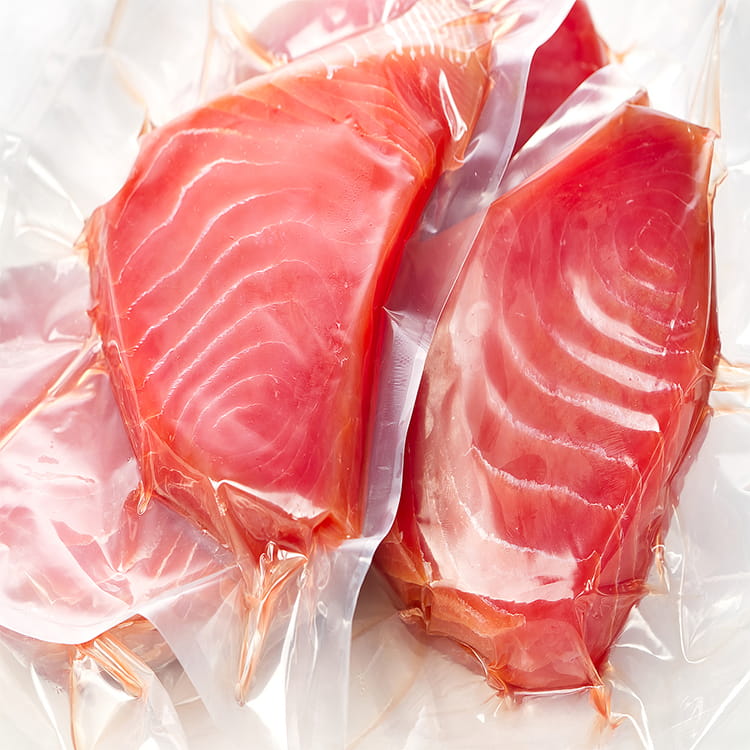
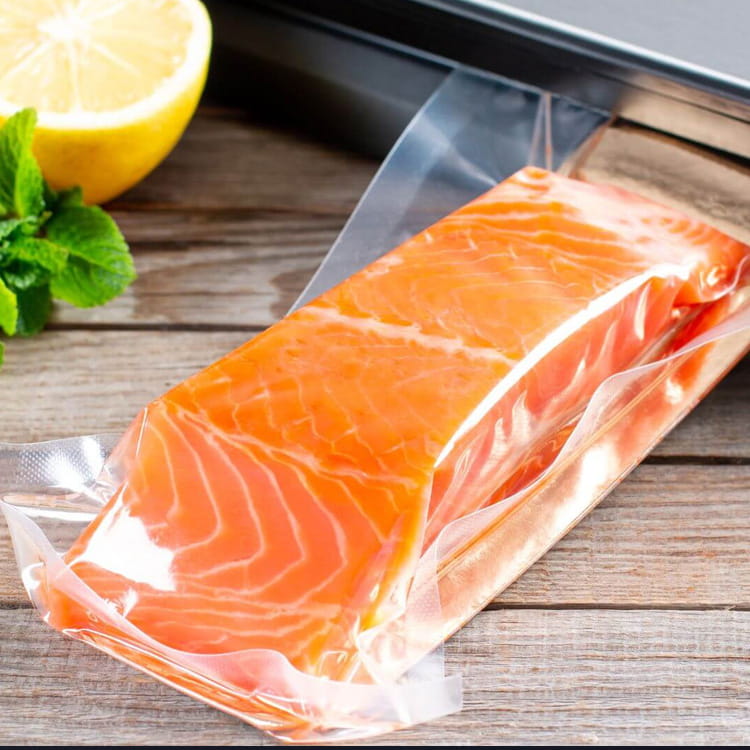
- Fish and seafood (vacuum sealing prevents freezer burn significantly)
- Soups and stews (freeze flat in the bag for space efficiency)
Choosing the Right Food Vacuum Sealer Bag Matters
Even with safe foods, using a low-quality bag can undermine your efforts. The bag's material, thickness, and sealing performance directly determine how well oxygen is excluded and how long food stays fresh.
Multi-layer coextruded films — particularly those using 7 or more symmetrical layers — offer superior barrier properties compared to single or dual-layer alternatives. These bags resist punctures, maintain seal integrity under freezing temperatures, and provide consistent oxygen and moisture barriers that are essential for long-term food preservation. When selecting a food vacuum sealer bag, look for products with verified low oxygen transmission rates (OTR) and moisture vapor transmission rates (MVTR).
A high-performance bag won't fix improper food preparation, but using the right bag ensures your safe, properly prepped foods are protected to the maximum extent possible.
Best Practices Before Vacuum Sealing Any Food
- Always clean and dry food — moisture on food surfaces can break the seal and promote bacterial growth.
- Blanch vegetables before sealing to halt enzyme activity that causes gas and spoilage.
- Pre-freeze liquids or moist foods to prevent them from being pulled into the sealing mechanism.
- Label and date every bag — vacuum sealing extends shelf life, but all food has limits.
- Refrigerate or freeze after sealing — vacuum sealing does not make food shelf-stable at room temperature unless combined with additional preservation methods.
- Inspect the seal before storing — run your fingers along the sealed edge to confirm no gaps exist.
Frequently Asked Questions
Q1: Can I vacuum seal cooked rice or pasta?
Yes, but only if refrigerated or frozen immediately after sealing. Cooked starches at room temperature can support bacterial growth even in a sealed environment.
Q2: Is it safe to vacuum seal raw garlic without oil?
Dry raw garlic cloves (without oil or moisture) pose a much lower risk but should still be refrigerated. Never combine garlic with oil in a vacuum-sealed environment at room temperature.
Q3: Can lettuce or leafy greens be vacuum sealed?
Leafy greens like lettuce, spinach, and arugula are not good candidates. They crush easily and release moisture quickly, leading to rapid decay. Use breathable produce bags instead.
Q4: How long does meat last in a food vacuum sealer bag in the freezer?
Raw meat vacuum sealed and frozen can last 1 to 3 years, compared to 4–12 months with standard freezer bags. Cooked meat lasts up to 2–3 months frozen in a vacuum-sealed bag.
Q5: Can I reuse food vacuum sealer bags?
Bags that previously held raw meat, fish, or oily foods should not be reused. Bags used for dry goods or non-meat items can sometimes be washed and reused if the seal area is intact and the bag shows no damage.
Q6: Does vacuum sealing eliminate the need for refrigeration?
No. Vacuum sealing reduces oxygen but does not kill all bacteria or halt all spoilage processes. Refrigeration or freezing is still required for perishable foods.
Q7: What thickness should a food vacuum sealer bag be?
For general use, bags between 3 mil and 4 mil thickness are standard. For sharp-edged or bone-in meats, 4 mil or thicker is recommended to prevent punctures that would compromise the seal.