

 English
 عربى
عربى


What Are High Barrier Packaging Materials?
High barrier packaging materials are specialized films or laminates engineered to block the transmission of oxygen, moisture, light, and other gases at extremely low rates, thereby extending product shelf life and preserving quality. These materials are widely used in food, pharmaceutical, electronics, and medical device packaging where environmental exposure leads to rapid product degradation.
In practical terms, a packaging material is classified as "high barrier" when its oxygen transmission rate (OTR) falls below 1 cc/m²/day and its water vapor transmission rate (WVTR) is below 1 g/m²/day. Achieving these thresholds requires either selecting inherently barrier-rich polymers or combining multiple material layers through coextrusion or lamination processes.
Key Barrier Properties and What They Protect Against
Different packaging applications demand protection from different threats. Understanding which barrier property matters most helps in selecting the right material:
| Barrier Type | What It Blocks | Typical Applications | Key Metric |
|---|---|---|---|
| Oxygen Barrier | O₂ ingress causing oxidation | Meat, cheese, snacks, coffee | OTR < 1 cc/m²/day |
| Moisture Barrier | Water vapor causing spoilage or caking | Dry foods, pharmaceuticals, electronics | WVTR < 1 g/m²/day |
| Light Barrier | UV/visible light causing nutrient loss | Dairy, oils, vitamins | Light transmittance < 1% |
| Aroma/Flavor Barrier | Flavor migration in or out | Coffee, spices, ready meals | Permeation coefficient |
| Chemical Barrier | Solvents, chemicals | Industrial, medical packaging | Chemical resistance rating |
Most real-world applications require a combination of barrier properties. For example, a vacuum-packed fresh meat product needs both excellent oxygen and moisture barriers simultaneously, which single-layer films typically cannot deliver.
Common High Barrier Materials and Their Characteristics
Several base polymers and coatings are used to achieve high barrier performance. Each has distinct strengths and trade-offs:
EVOH (Ethylene Vinyl Alcohol)
EVOH is one of the most effective oxygen barrier materials available, capable of achieving OTR values as low as 0.01–0.1 cc·mm/m²/day/atm under dry conditions. However, its barrier performance drops significantly at high humidity, which is why EVOH is almost always sandwiched between moisture-resistant layers in multilayer structures. It is commonly used in food packaging for products like sauces, juices, and processed meats.
PVDC (Polyvinylidene Chloride)
PVDC offers excellent combined oxygen and moisture barrier properties and maintains performance across a range of humidity conditions — an advantage over EVOH. It is commonly applied as a coating on oriented films. OTR values for PVDC coatings typically range from 0.5 to 2 cc/m²/day. Its use is increasingly scrutinized due to chlorine content and recyclability concerns.
PA (Polyamide / Nylon)
Nylon provides moderate oxygen barrier properties and excellent mechanical strength, puncture resistance, and thermoformability. It is often used as a structural layer in multilayer forming films. PA6 and PA6,6 are the most common grades in food packaging.
Metallized Films (AlOx, SiOx Coatings)
Thin inorganic oxide coatings — aluminum oxide (AlOx) and silicon oxide (SiOx) — deposited on PET or OPP films deliver barrier properties comparable to aluminum foil but with the advantage of optical transparency. These are increasingly used in retort pouches and stand-up pouches where product visibility matters.
Aluminum Foil
Foil laminates provide an essentially complete barrier to oxygen, moisture, light, and aromas. They are used in applications demanding absolute protection, such as long-shelf-life sterile pharmaceuticals, coffee packaging, and retort pouches. The trade-off is opacity and reduced recyclability.
Multilayer Coextrusion: How High Barrier Forming Films Are Built
A single polymer rarely delivers all the required properties. Multilayer coextrusion is the dominant technology for producing high-performance packaging films by combining the strengths of different resins in a single, integrated structure.
A typical High Barrier Forming Film used in thermoforming applications may consist of 7 to 9 layers, each contributing a specific function:
- Outer structural layers (e.g., PA or PP): mechanical strength, puncture resistance, thermoformability
- Central barrier layer (e.g., EVOH): oxygen barrier
- Tie layers (adhesive resins): bond incompatible polymers together without delamination
- Sealant layer (e.g., PE or PP): heat-seal integrity and product contact compliance
The 9-layer coextrusion architecture allows for precise tuning of the film's total thickness (typically 100–400 microns for forming films), barrier performance, and forming behavior. Compared to laminated structures, coextruded films offer better interlayer adhesion, no adhesive migration risk, and a more streamlined production process.
Key performance benchmarks for thermoforming-grade high barrier forming films include:
- OTR: < 5 cc/m²/day (often < 1 cc/m²/day for premium grades)
- WVTR: < 3 g/m²/day
- Forming depth: up to 80–120 mm depending on structure
- Operating temperature range: suitable for both chilled and frozen applications
Applications of High Barrier Packaging Materials by Industry
Food Packaging
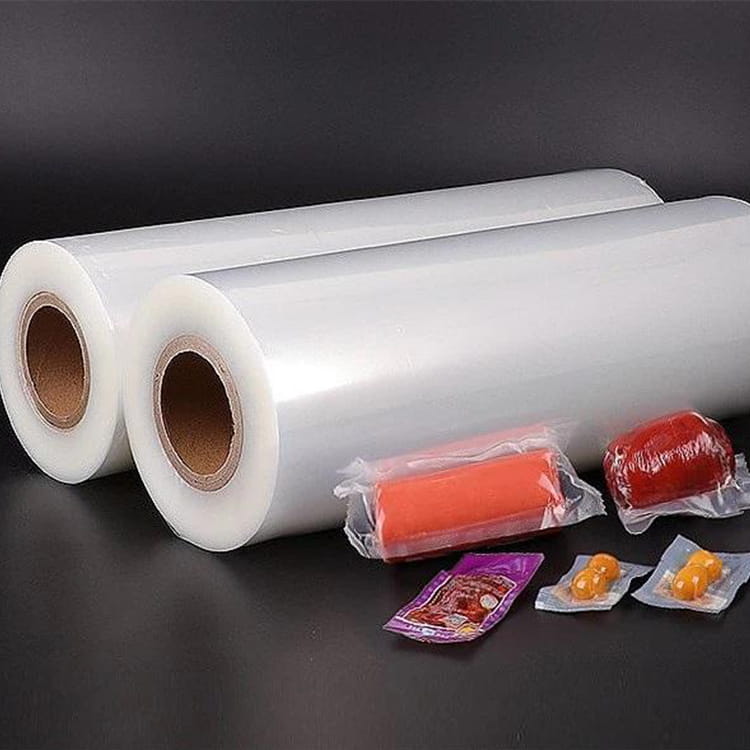
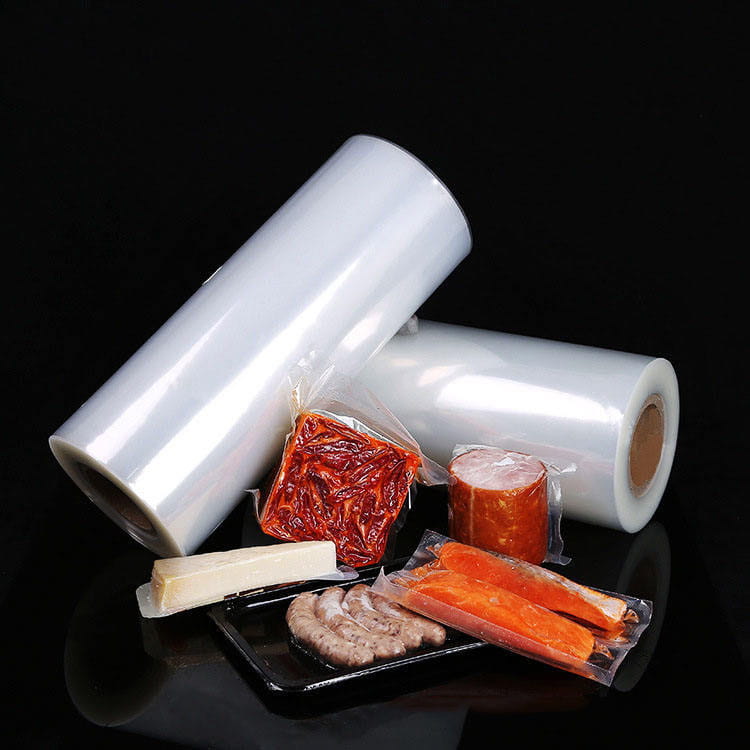
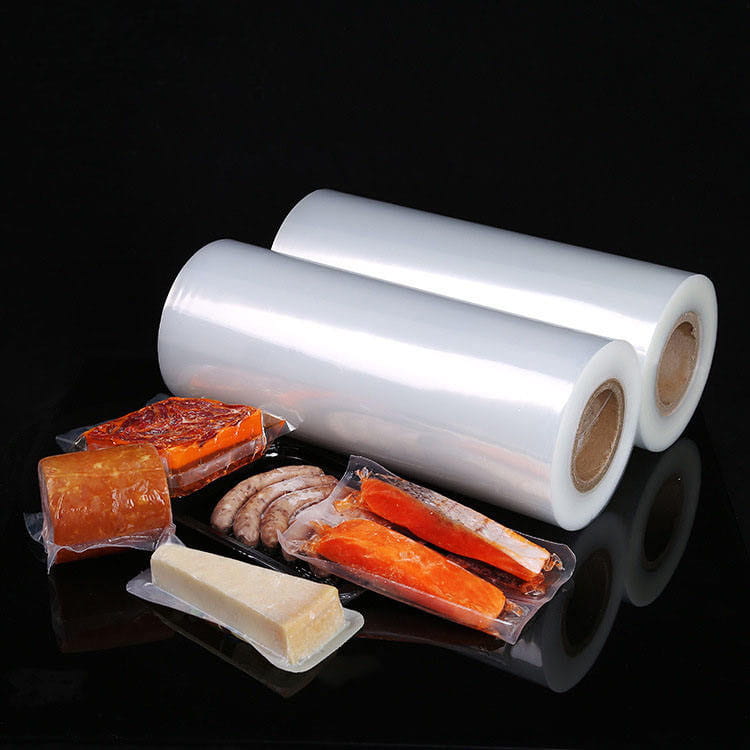
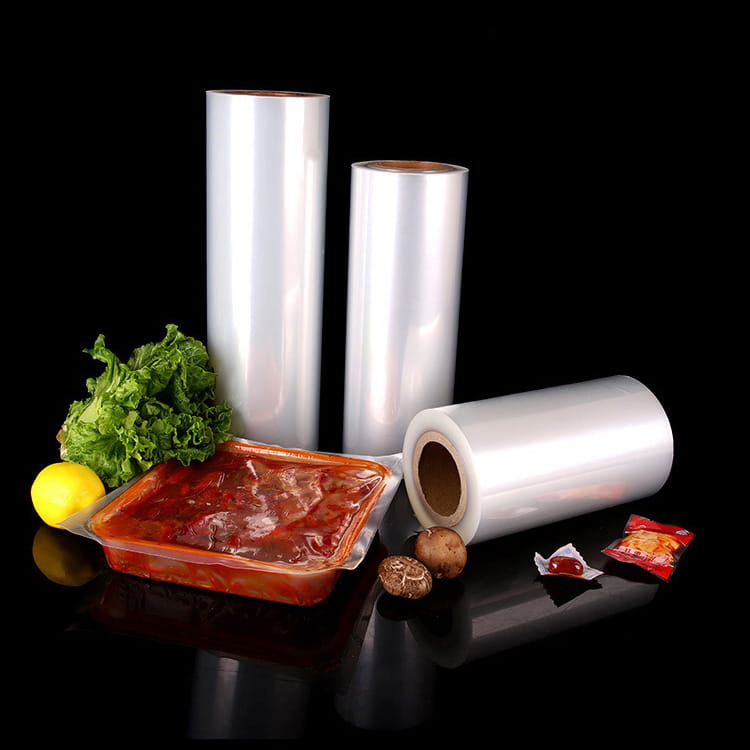
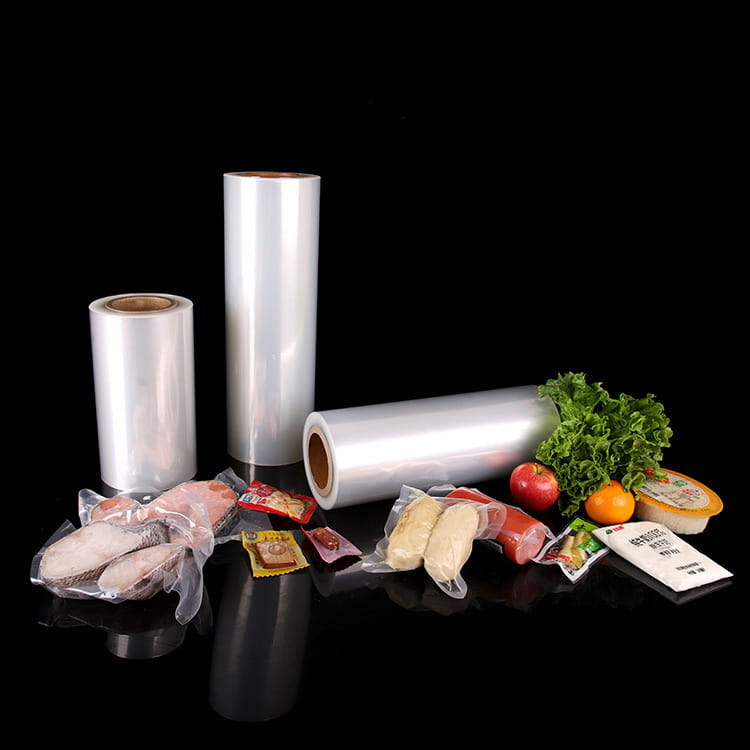
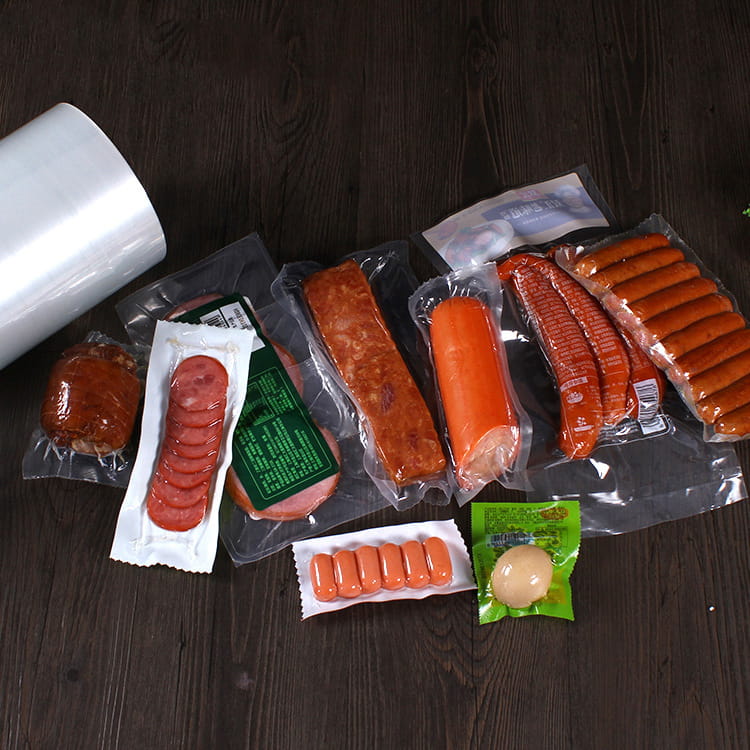
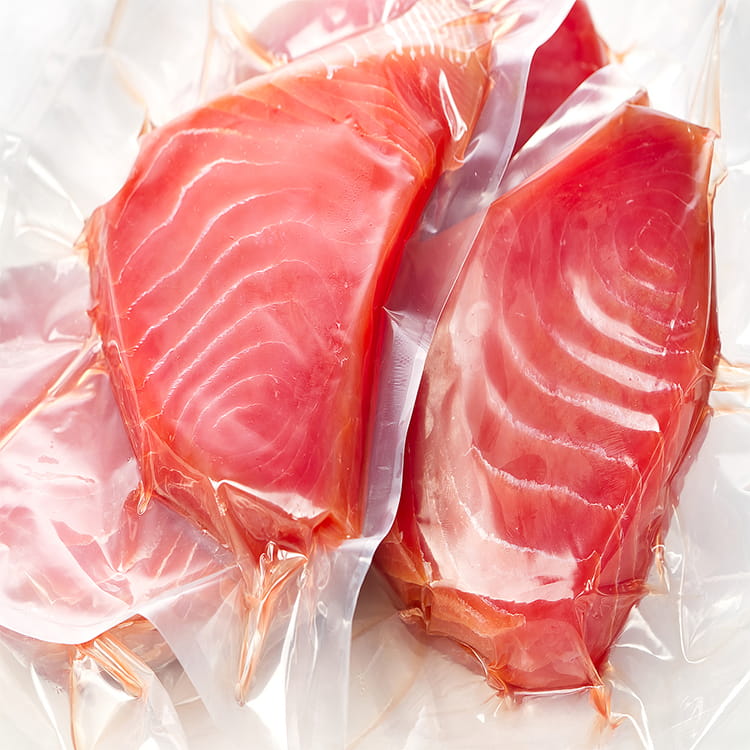
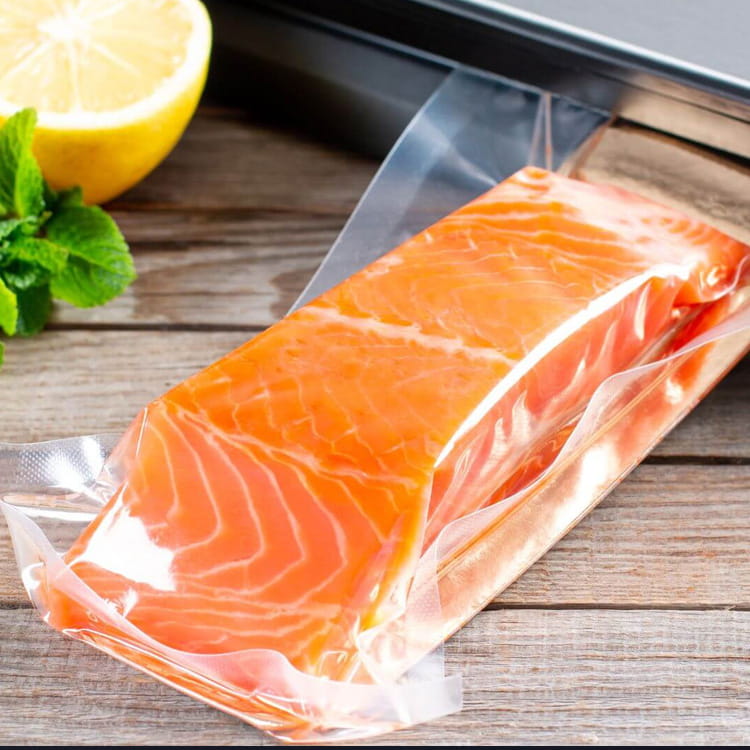
This is the largest application segment. High barrier films are used for vacuum skin packaging (VSP) of fresh meat and seafood, modified atmosphere packaging (MAP) of ready meals, thermoformed trays for deli products, and flexible pouches for sauces and soups. Shelf life extension from 5–7 days to 21–28 days is commonly achieved with high barrier vacuum packaging for fresh red meat.
Pharmaceutical Packaging
Blister packs for tablets and capsules require strict moisture and oxygen control to maintain drug stability and regulatory compliance. Cold-form foil laminates and high barrier thermoforming films are both used, with selection based on the drug's sensitivity profile.
Medical Device Packaging
Sterile barrier systems for surgical instruments and implants must maintain sterility throughout the product's stated shelf life, which may be 3–5 years or longer. High barrier films used here must also be compatible with sterilization methods such as EO gas, gamma irradiation, or steam.
Electronics
Moisture-sensitive components such as OLEDs, sensors, and circuit boards require packaging with ultra-low WVTR values, sometimes below 10⁻⁴ g/m²/day. Specialized multilayer barrier films with inorganic coatings are used in this segment.
Factors to Consider When Selecting High Barrier Packaging Materials
Choosing the right high barrier material involves balancing multiple technical and commercial factors:
- Required barrier level: Match OTR/WVTR targets to actual product sensitivity and target shelf life — over-engineering increases cost unnecessarily.
- Processing method: Thermoforming, VFFS, HFFS, and pouch-making each impose different mechanical demands on the film.
- Thermal requirements: Retort, pasteurization, or freezer storage each require different polymer chemistries.
- Regulatory compliance: Food contact, pharmaceutical, and medical device regulations vary by region and must be confirmed for each material.
- Sustainability profile: Mono-material structures or recyclable multilayer films are increasingly prioritized to meet extended producer responsibility (EPR) requirements.
- Optical properties: Whether the package needs to be transparent, translucent, or opaque affects material and coating choices.
- Sealability: Heat seal range, seal strength, and peel characteristics must be matched to the filling line and end-use requirements.
Sustainability Trends in High Barrier Packaging
Traditional multilayer barrier structures have faced scrutiny because mixed-polymer laminates are difficult to recycle in standard municipal streams. Several approaches are being developed to address this:
- All-polyolefin barrier films: Replacing PA and PET layers with barrier-functionalized PE or PP to create mono-material recyclable structures.
- Thinner barrier coatings: Advanced AlOx and SiOx coating technologies reduce the amount of barrier material needed while maintaining or improving performance.
- Bio-based barrier resins: Bio-EVOH and PLA-based barrier coatings are entering commercial use, though performance at scale is still developing.
- Downgauging: Improving barrier efficiency per unit thickness reduces total material use without sacrificing shelf life protection.
The industry consensus is that reducing food waste through effective barrier packaging delivers a net environmental benefit even when accounting for the packaging material's own footprint — a fact increasingly acknowledged in life cycle assessment (LCA) studies.
FAQ: High Barrier Packaging Materials
Q1: What is the difference between barrier packaging and standard packaging?
Standard packaging provides basic physical protection. Barrier packaging additionally blocks the transmission of gases (O₂, CO₂), moisture, light, and aromas at measurably low rates, significantly extending product shelf life and maintaining quality.
Q2: What makes EVOH such an effective oxygen barrier?
EVOH's molecular structure contains hydroxyl groups that form a dense, crystalline network with very low free volume, making it extremely difficult for oxygen molecules to permeate. Its OTR under dry conditions is among the lowest of any commercially available polymer.
Q3: Can high barrier films be used for hot-fill or retort applications?
Yes, but the polymer selection must be matched to the thermal process. Retort-grade structures typically use PP-based sealants and heat-stable barrier layers that can withstand temperatures of 121°C or higher without delamination or barrier degradation.
Q4: What is a High Barrier Forming Film used for?
It is specifically designed for thermoforming processes — the film is heated and shaped into trays, cups, or cavities on automated packaging lines. It combines deep-drawing capability with high oxygen and moisture barrier performance, commonly used for fresh meat, cheese, and ready meal packaging.
Q5: How many layers does a high barrier forming film typically have?
Commercial high barrier forming films commonly have 5 to 9 layers. Nine-layer coextruded structures allow the most precise tuning of barrier, mechanical, and sealing properties within a single integrated film.
Q6: Are high barrier packaging materials food-safe?
They must comply with applicable food contact regulations (such as EU Regulation 10/2011 or FDA 21 CFR in the US). Reputable suppliers provide full regulatory compliance documentation for each material. Always confirm compliance for your specific product and market.
Q7: How do I know what OTR or WVTR level I need?
This depends on the product's oxygen and moisture sensitivity, target shelf life, storage conditions, and headspace volume. Packaging technologists typically use product-specific permeation modeling or shelf-life studies to determine the required barrier specification.