

 English
 عربى
عربى


What High Barrier Packaging Films Actually Do
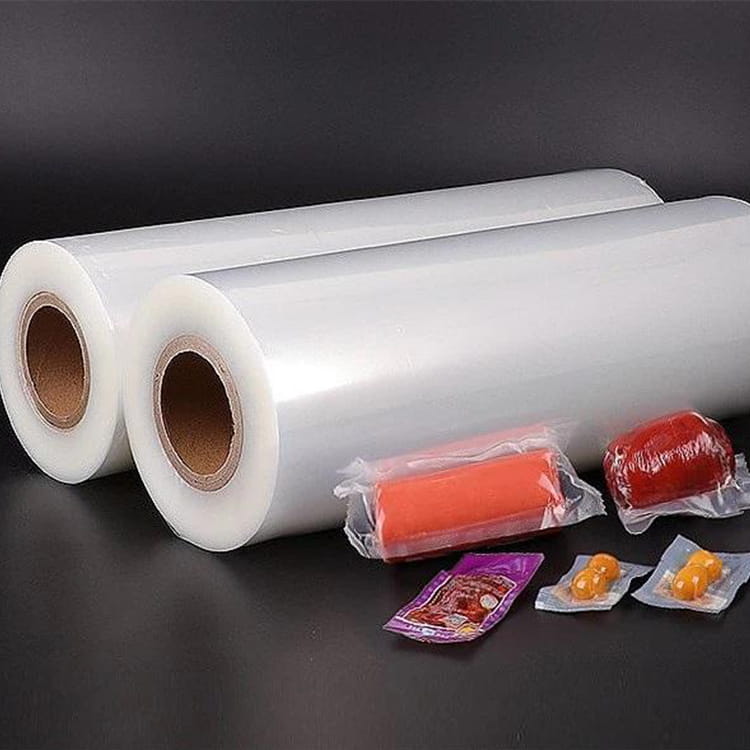
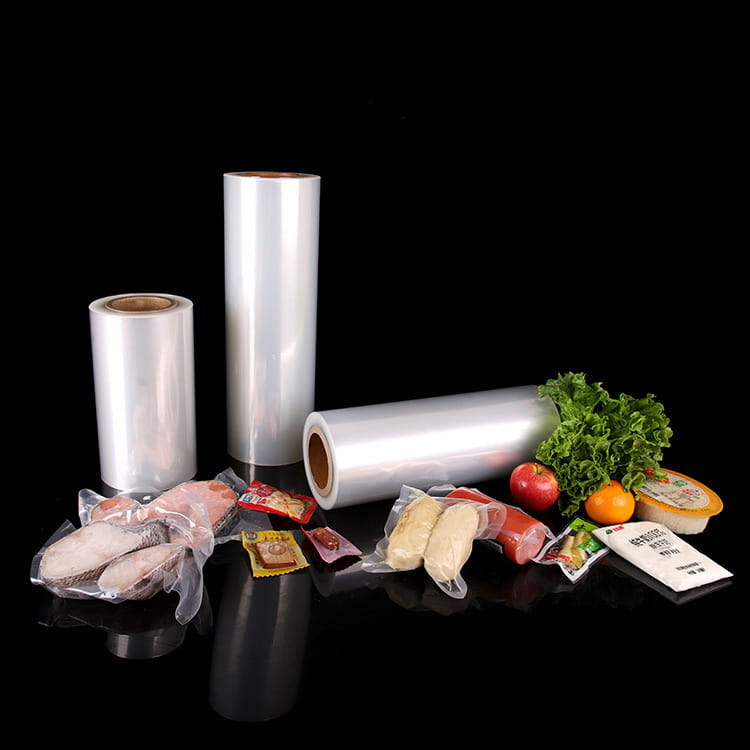
High barrier packaging films protect products by dramatically reducing the transmission of oxygen, moisture, light, and other gases through the packaging wall. This is not a marginal improvement — barrier films can reduce oxygen transmission rates (OTR) to below 0.5 cc/m²/day, compared to standard polyethylene films that may allow 1,000–3,000 cc/m²/day. The result is packaging that actively extends product integrity, not just wraps it.
These films are widely used in food, pharmaceutical, electronics, and medical device packaging where contamination or degradation is unacceptable. The core advantage is simple: high barrier films create a sealed environment that standard films cannot replicate.
Extended Shelf Life Without Preservatives
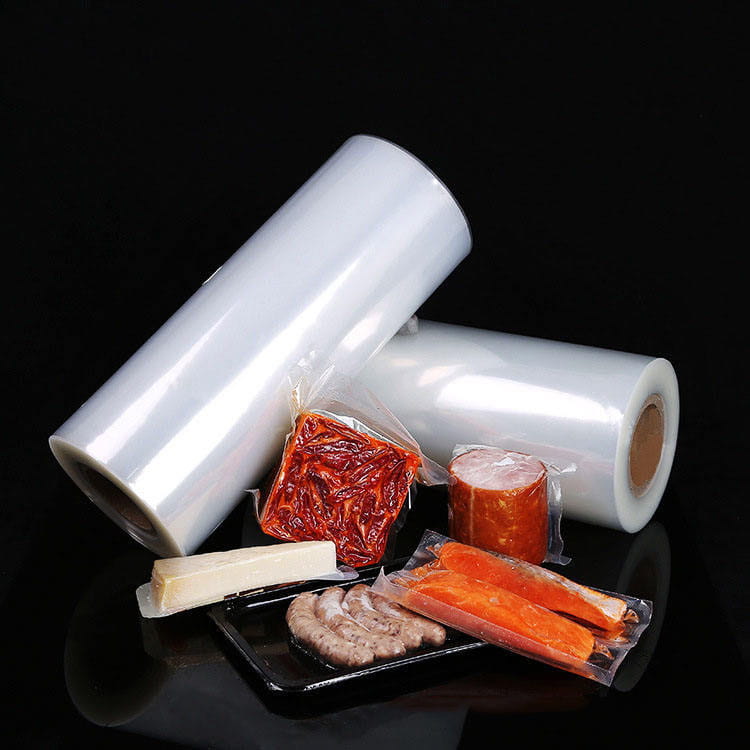
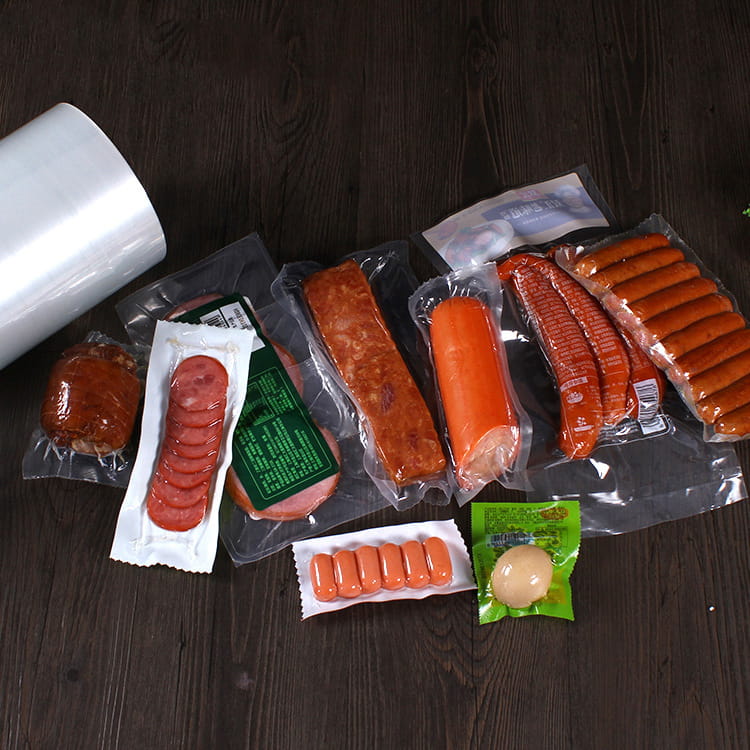
One of the most commercially significant advantages of high barrier packaging is the ability to extend product shelf life without increasing artificial preservatives. For processed meats, cheeses, and ready-to-eat foods, barrier films have been shown to extend shelf life by 2 to 5 times compared to conventional packaging.
This works because oxidation and microbial growth — the two primary causes of spoilage — both require oxygen. By limiting oxygen ingress to near-zero levels, barrier films slow these processes significantly. For example:
- Vacuum-packaged cured meats in high barrier film: shelf life of 60–90 days vs. 14–21 days in standard wrap
- Hard cheeses: shelf life extended from 30 days to over 120 days in modified atmosphere packaging with barrier film
- Dried snacks: maintains crunch and flavor for 9–18 months versus 3–6 months
This directly reduces food waste at the retail and consumer level — a measurable economic and environmental benefit.
Superior Oxygen and Moisture Barrier Performance
Not all barrier films are equal. The performance of a barrier film is measured by two primary metrics: Oxygen Transmission Rate (OTR) and Water Vapor Transmission Rate (WVTR). High barrier films achieve extremely low values on both.
| Film Type | OTR (cc/m²/day) | WVTR (g/m²/day) | Typical Application |
| Standard PE Film | 1,000–3,000 | 5–15 | General packaging |
| EVOH-Based Barrier Film | 0.1–1.0 | 1–3 | Food, medical packaging |
| PVDC-Coated Film | 0.5–3.0 | 0.5–2.0 | Pharmaceutical blister packs |
| Coextruded High Barrier Film | <0.5 | <1.0 | Meat, cheese, medical devices |
Top and bottom high barrier film solutions using coextrusion technology combine multiple functional layers into a single structure, achieving both oxygen and moisture resistance without lamination adhesives — resulting in a cleaner, more consistent barrier with better seal integrity.
Structural Integrity and Puncture Resistance
High barrier films are engineered not only for chemical resistance but also for physical durability. Multi-layer coextruded barrier films typically include structural layers such as polyamide (nylon) or polyester that contribute:
- High puncture resistance — critical for sharp-edged products like bones in meat packaging or medical instruments
- Flex-crack resistance — maintains barrier integrity even after repeated bending or handling during shipping
- Dimensional stability — resists stretching and distortion on high-speed packaging lines
In practical terms, a 5-layer coextruded barrier film can achieve puncture resistance of over 15 N — significantly higher than single-layer or basic laminated alternatives — reducing packaging failures during transit by measurable margins.
Versatility Across Thermoforming and Lidding Applications
High barrier films are designed to perform across a wide range of packaging formats. Both top (lidding) and bottom (forming) web applications benefit from barrier film properties, making them suitable for:
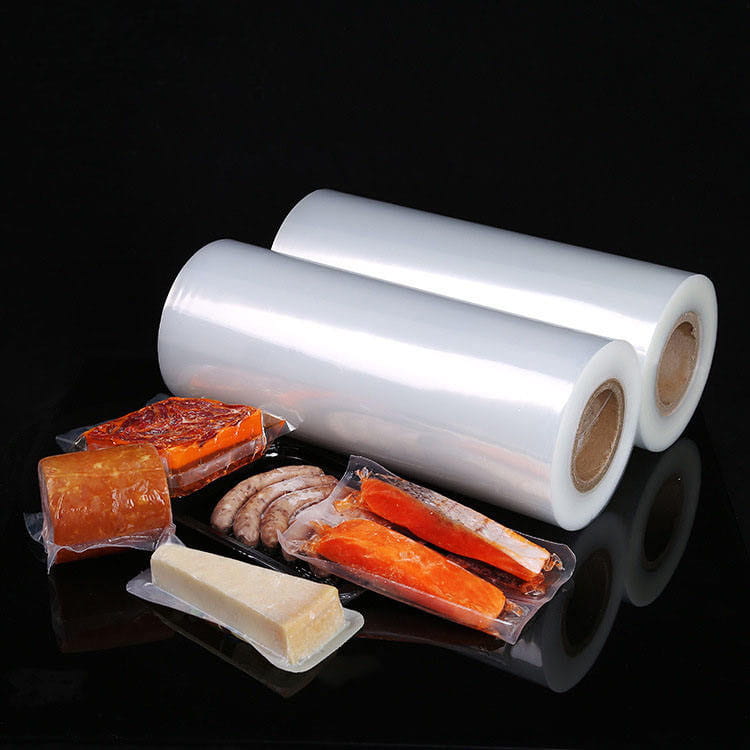
- Thermoformed trays for fresh and processed meat
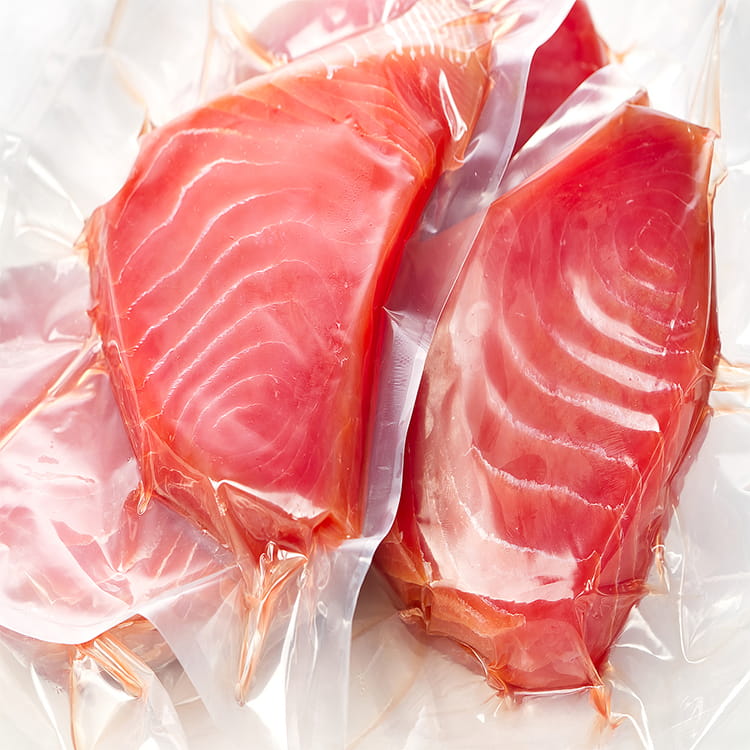
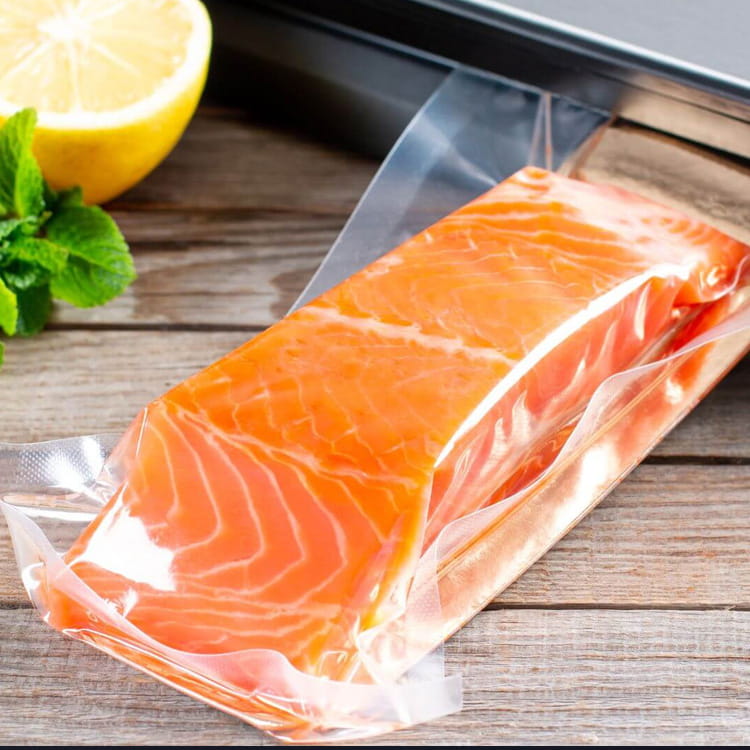
- Vacuum skin packaging (VSP) for retail seafood and poultry
- Modified atmosphere packaging (MAP) for deli products
- Blister packs for pharmaceutical tablets and capsules
- Sterile pouches for surgical instruments and medical devices
The ability to use barrier film on both the forming and lidding web — top and bottom — means that the entire sealed cavity is protected, not just one side. This closed-system approach is what makes vacuum and MAP packaging effective.
Compatibility With High-Speed Packaging Lines
Modern food and pharmaceutical manufacturing operates at high throughput. High barrier films are engineered to perform reliably on automated thermoforming and flow-wrap machines without slowing production. Key process-friendly properties include:
- Consistent seal strength — heat-seal layers are formulated for repeatable seals across a wide temperature window (typically 120–180°C)
- Uniform thickness — tight gauge control (±2–3%) prevents seal failures and forming inconsistencies
- Low coefficient of friction (COF) — allows smooth film feeding and reduces jams on horizontal form-fill-seal (HFFS) lines
- Consistent forming depth — thermoformable barrier films can achieve draw ratios of up to 1:3 without barrier layer failure
Downtime from packaging failures is costly. Films engineered for process consistency reduce rejected packs and line stoppages — a direct operational advantage.
Reduced Need for Secondary Packaging
Because high barrier primary packaging provides sufficient protection on its own, manufacturers can often eliminate or simplify secondary packaging layers. This reduces total packaging material costs, lowers shipping weight, and decreases overall waste.
For example, a product previously requiring a primary bag plus an outer foil overwrap may only need a single high barrier thermoformed tray with a lidding film — reducing material use by 30–50% and cutting secondary packaging costs accordingly.
This simplification also benefits retail presentation: a single clear barrier pack provides full product visibility without additional wrapping, which research consistently links to improved consumer purchasing decisions.
Suitability for Sensitive Product Categories
High barrier films are particularly critical in categories where product degradation has safety or efficacy consequences, not just quality consequences:
- Pharmaceuticals: Active ingredients in tablets and capsules can degrade in the presence of moisture or oxygen. Barrier blister films maintain drug stability throughout shelf life, which may be 24–36 months.
- Medical devices: Sterile medical devices require packaging that maintains sterility from manufacture to point of use. Barrier pouches tested to ISO 11607 standards ensure this.
- Electronics: Moisture-sensitive components (such as PCBs and sensors) are shipped in barrier bags with desiccants to prevent corrosion during transport.
- High-value foods: Products like specialty coffee, premium cheeses, and cured meats justify the incremental cost of barrier packaging due to the economic value of preventing spoilage.
Frequently Asked Questions
Q1: What is the main difference between standard packaging film and high barrier packaging film?
Standard films offer minimal resistance to gas and moisture transmission. High barrier films use specialized materials (such as EVOH, PVDC, or coextruded nylon layers) to reduce OTR and WVTR to very low levels — often below 1 cc/m²/day and 1 g/m²/day respectively.
Q2: What does "top and bottom high barrier film" mean in packaging?
It refers to using high barrier film for both the bottom forming web (the tray or cavity) and the top lidding web (the seal layer). Using barrier film on both sides ensures the entire sealed package environment is protected from gas exchange.
Q3: Are high barrier films suitable for transparent packaging?
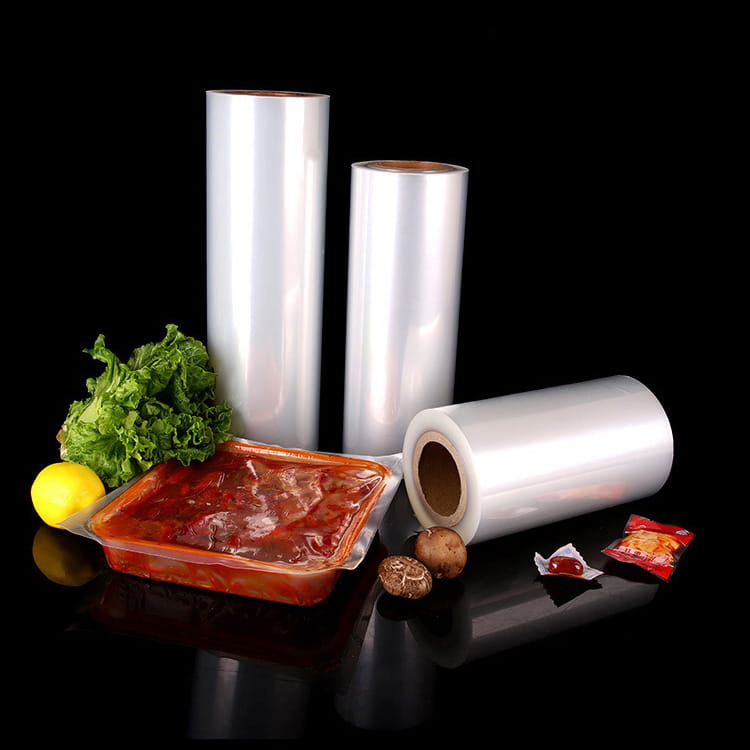
Yes. Many coextruded high barrier films are optically clear, allowing full product visibility while maintaining barrier performance. EVOH-based structures in particular can achieve high clarity with excellent barrier properties.
Q4: Can high barrier films be used in modified atmosphere packaging (MAP)?
Yes. MAP relies on replacing the internal atmosphere with a specific gas mixture (such as CO₂ and N₂). High barrier films are essential for MAP because they prevent the modified atmosphere from dissipating through the packaging wall over time.
Q5: What industries use high barrier packaging films most commonly?
The primary users are food processing (meat, dairy, snacks, ready meals), pharmaceuticals (blister packs, pouches), medical devices (sterile pouches), and electronics (moisture barrier bags). Any product sensitive to oxygen, moisture, or contamination can benefit.
Q6: How is the barrier performance of a film tested?
OTR is typically measured according to ASTM D3985 or ISO 15105-2 standards, and WVTR is measured per ASTM F1249 or ISO 15106-3. These standardized tests allow consistent comparison across film types and suppliers.