

 English
 عربى
عربى


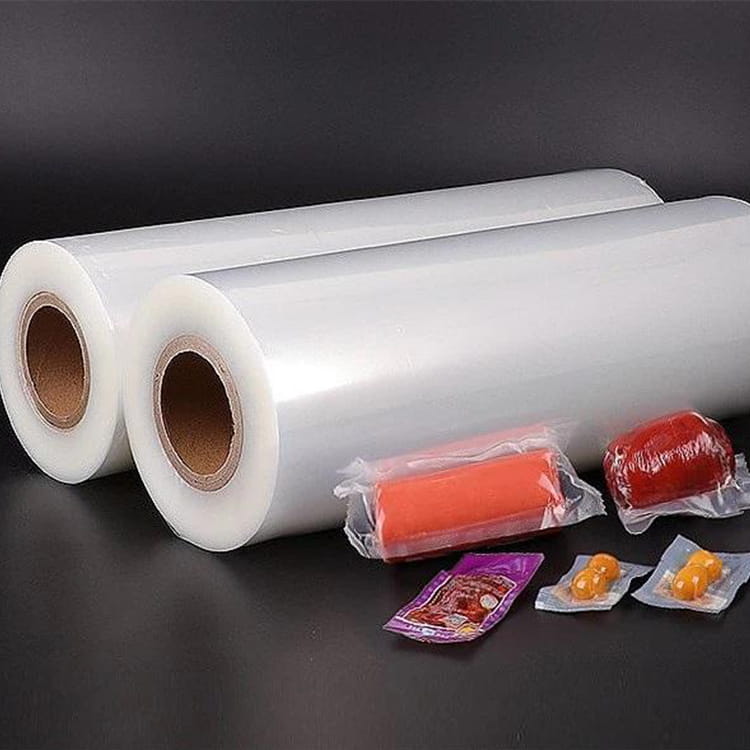
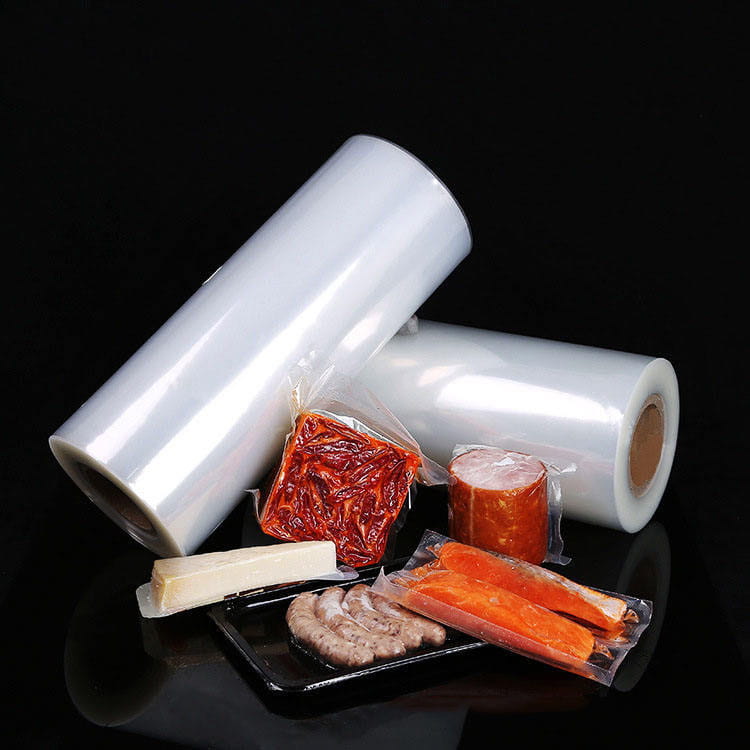
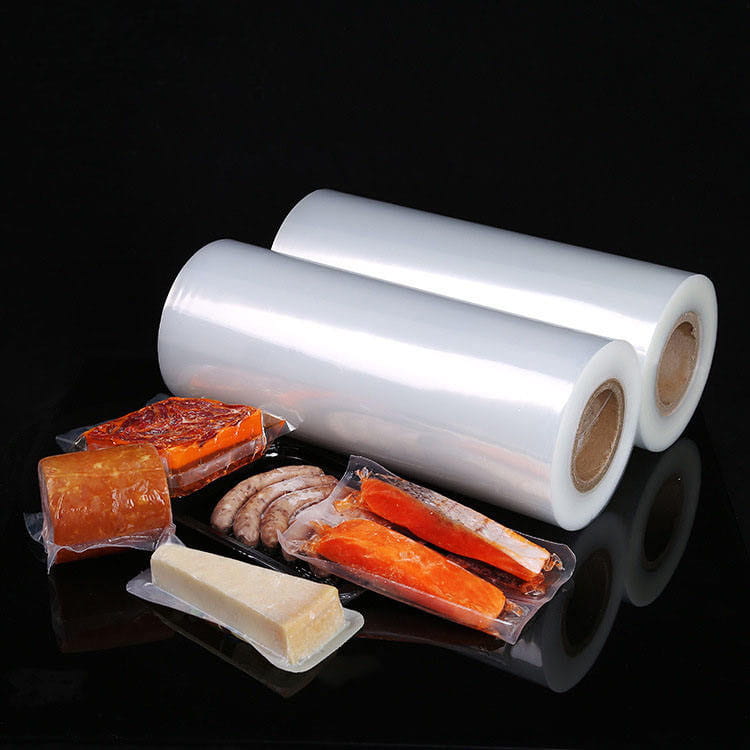
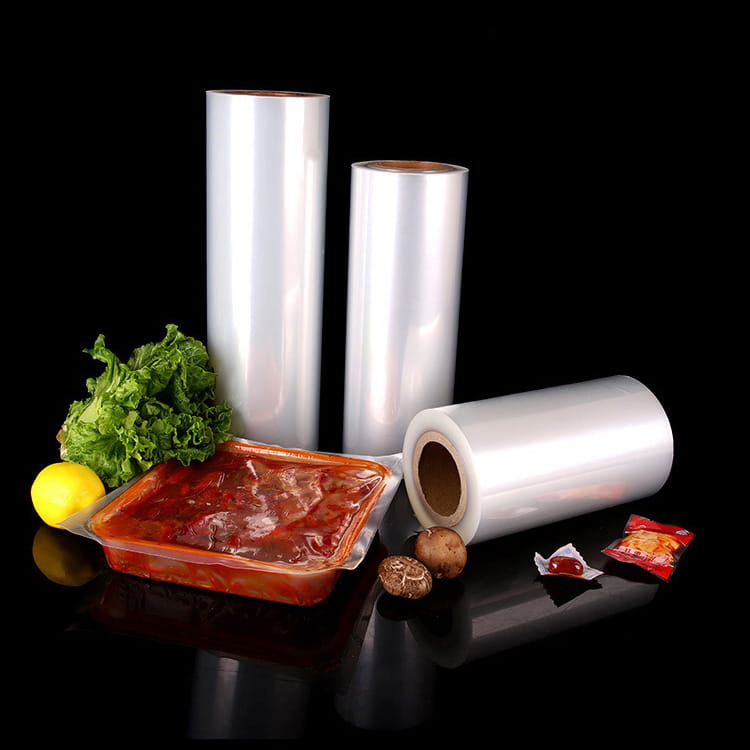
In advanced packaging and technical film applications, multi‑layer EVOH co‑extruded high barrier top and bottom film has emerged as a core technology for achieving controlled transmission rates of gases, moisture, and flavors. From an integrated systems engineering perspective, understanding how ethylene vinyl alcohol (EVOH) enhances barrier performance in co‑extruded films requires analysis across polymer science, manufacturing engineering, materials integration, and application‑specific performance criteria.
1. Materials Foundation: EVOH and Co‑Extruded Film Systems
1.1. Polymer Characteristics Relevant to Barrier Performance
Ethylene vinyl alcohol (EVOH) is a copolymer formed from ethylene and vinyl alcohol monomers. Its inherent molecular structure imparts several features relevant to barrier enhancement:
- High polarity and crystallinity relative to many commodity polymers.
- Dense intermolecular packing that restricts permeant diffusion.
- Sensitivity to moisture plasticization, which affects barrier performance under different humidity conditions.
When integrated within multi‑layer film structures, EVOH layers typically serve as a central barrier core, while surrounding layers provide mechanical integrity, sealability, and processing compatibility.
1.2. Multi‑Layer Composite Architecture
In a multi‑layer EVOH co‑extruded high barrier top and bottom film, multiple polymers are layered during the co‑extrusion process to combine complementary properties. Common structure elements include:
- Barrier core (EVOH): Provides primary resistance to oxygen and other permeants.
- Tie or adhesive layers: Promote adhesion between EVOH and non‑polar layers such as polyethylene (PE) or polyolefins.
- Outer structural layers: Provide mechanical strength, surface properties, and process compatibility.
This engineered architecture enables tailored performance profiles by distributing functional requirements across different layers.
2. Fundamental Barrier Mechanisms
To evaluate how EVOH enhances barrier properties, engineers must appreciate the physics of permeation and how material structure impedes molecular transport.
2.1. Diffusion and Solubility Resistance
Barrier performance against gases and vapors in polymers is determined by two interacting terms:
- Solubility: The equilibrium concentration of permeant in the polymer at an interface.
- Diffusivity: The rate at which that permeant moves through the polymer matrix.
EVOH’s high crystallinity reduces both solubility and diffusivity of small molecules like oxygen and nitrogen, relative to many non‑polar polymers. Its dense structure increases the tortuosity of pathways, lengthening effective diffusion paths.
2.2. Humidity Dependency and Plasticization
Unlike many non‑polar polymers, EVOH is hydrophilic. Water molecules can interact with polar sites, plasticizing the material and increasing permeability. This behavior mandates careful system design:
- Moisture management must be incorporated via outer layers that limit water ingress.
- Conditional performance modeling under real environmental exposures is required.
In engineered multi‑layer films, outer layers such as PE or polyamide act as moisture shields to preserve EVOH barrier characteristics.
3. Co‑Extrusion: Process Integration and Layer Control
The method of co‑extrusion is integral to achieving consistent high-barrier performance.
3.1. Co‑Extrusion Overview
Co‑extrusion is a manufacturing process where multiple polymer melts are combined through an extrusion die to form a unified layered film. Control over the process variables determines the structural quality of each layer.
3.2. Layer Uniformity and Thickness Precision
For the multi‑layer EVOH co‑extruded high barrier top and bottom film, optimal barrier performance correlates with:
- Consistent EVOH layer thickness across the width of the film.
- Minimal layer distortion or interfacial defects that could create permeation pathways.
- Controlled thermal and shear histories to avoid degradation of sensitive layers.
Table 1 illustrates how layer distribution affects functional roles.
Table 1. Typical Functional Layer Distribution in Multi‑Layer EVOH Films
| Layer Function | Typical Materials | Engineering Role |
|---|---|---|
| Outer Structural Layer | PE, PP, Polyester | Mechanical strength, surface finish, process handling |
| Tie/Adhesive Layer | Maleic anhydride‑modified polymers | Promotes interlayer adhesion |
| EVOH Barrier Core | Ethylene vinyl alcohol | Primary resistance to gaseous permeants |
| Inner Seal Layer | PE, PP | Sealing performance and substrate compatibility |
| Secondary Tie/Buffer Layers | Various | Mitigate moisture, control mechanical mismatch |
4. Performance Evaluation Metrics
Objective engineering evaluation of barrier films uses standardized methods to quantify performance.
4.1. Oxygen Transmission Rate (OTR)
Oxygen Transmission Rate (OTR) quantifies the amount of oxygen passing through a film under specified conditions. EVOH core layers significantly reduce OTR relative to mono‑layer films of similar thickness.
4.2. Water Vapor Transmission Rate (WVTR)
Water Vapor Transmission Rate (WVTR) indicates moisture ingress over time. Because EVOH is moisture‑sensitive, the outer layer design directly impacts WVTR performance.
4.3. Tradeoffs and Integrated Performance
In practice, package design engineers evaluate barrier films based on:
- OTR vs. WVTR balance under real use conditions.
- Mechanical performance, including tear and puncture resistance.
- Sealing strength and heat stability.
Performance is a system attribute rather than a single‑material metric.
5. Application Case Studies
To illustrate real engineering considerations, this section explores representative applications where multi‑layer EVOH co‑extruded high barrier top and bottom film delivers differentiated value.
5.1. Flexible Packaging for Shelf‑Stable Foods
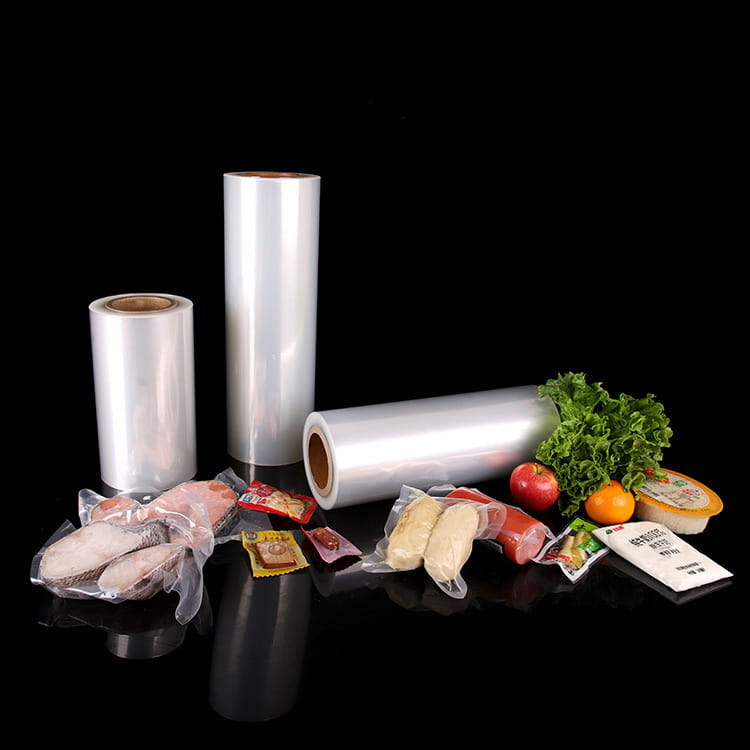
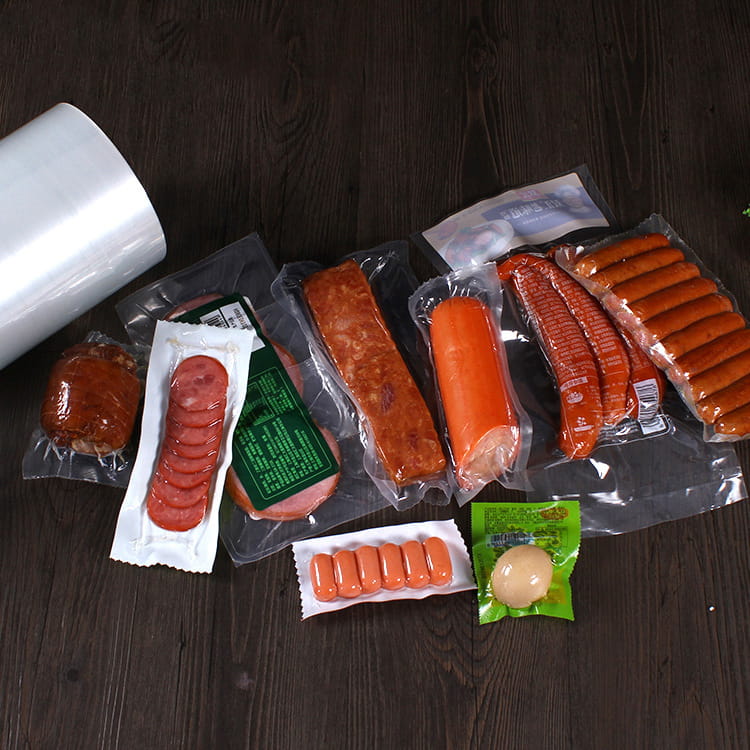
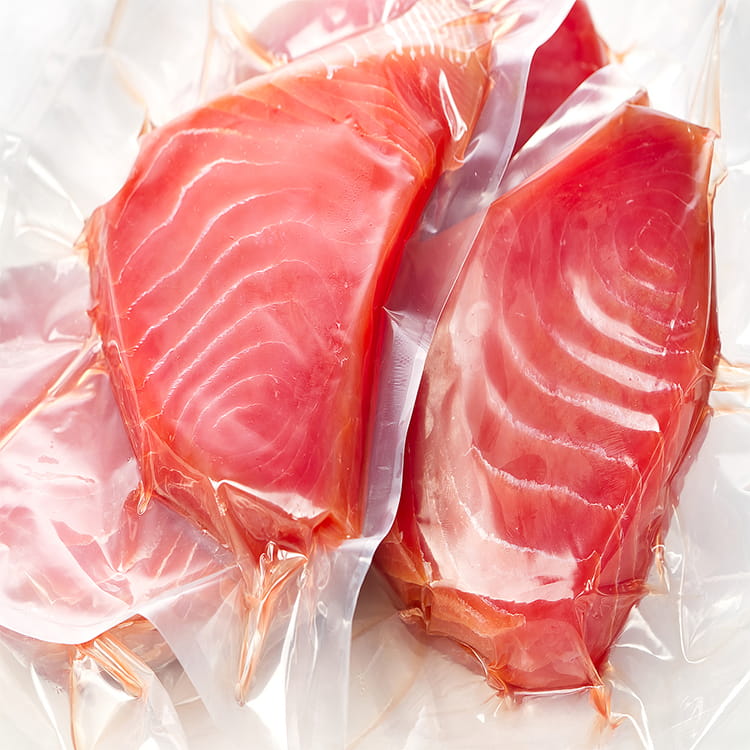
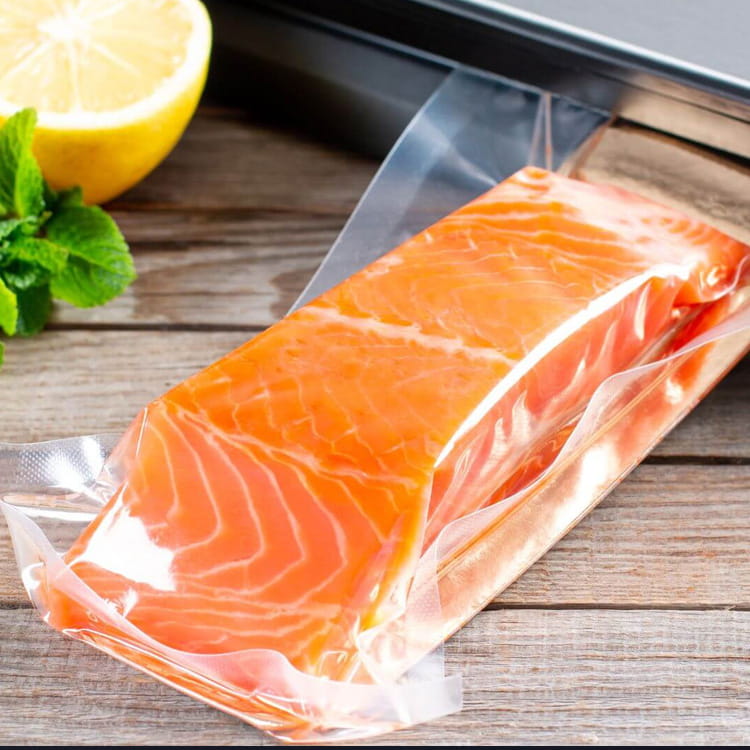
In food packaging, oxidation is a primary failure mode affecting flavor and shelf life. A high barrier film:
- Limits oxygen ingress, protecting against lipid oxidation.
- Maintains clarity and printability for consumer appeal.
- Supports modified atmosphere packaging (MAP).
Here, integration with sealing systems and form‑fill‑seal (FFS) machinery requires precise film thickness and uniform barrier distribution.
5.2. Pharmaceutical Blister Barriers
Pharmaceutical blister packs demand a controlled barrier against moisture and gases to maintain potency. Design considerations include:
- Regulatory compliance in barrier testing.
- Compatible seal interfaces with thermoformable layers.
- Reliable barrier retention over product shelf life.
In this context, EVOH layers are calibrated to meet stringent barrier targets while adhering to thermoform processing limits.
5.3. Technical Industrial Films
Industrial applications — such as protective films for sensitive electronics — rely on barrier films to prevent oxidation or contamination during storage and transport. Key engineering concerns include:
- Dimensional stability under temperature cycling.
- Cross‑compatibility with automated packaging systems.
- Predictable performance in varied environments.
System engineers often evaluate barrier films in conjunction with environmental control packaging systems.
6. Design Considerations and Integration Challenges
Engineering deployment of high barrier films involves decisions spanning material selection, process capability, and system integration.
6.1. Compatibility with Manufacturing Lines
Factors affecting integration include:
- Processing temperatures compatible with existing converting equipment.
- Co‑extrusion line capabilities for achieving targeted layer ratios.
- Winding and handling characteristics to avoid defects.
Process engineers and line technicians must collaborate with material scientists to optimize throughput without degrading barrier integrity.
6.2. Environmental and End‑Use Conditions
Barrier performance is sensitive to environmental conditions such as:
- Humidity
- Temperature
- Mechanical stress during handling
Designers must simulate and test films under realistic use scenarios to validate performance.
6.3. Lifecycle and Sustainability Considerations
While beyond simple material properties, lifecycle considerations affect material choice:
- Recyclability of multi‑layer films can be complex due to heterogeneous polymers.
- Environmental regulations may influence allowable materials in certain markets.
Engineering teams should integrate sustainability metrics into procurement and design specifications.
Summary
In summary, multi‑layer EVOH co‑extruded high barrier top and bottom film enhances barrier properties through a combination of intrinsic material characteristics and engineered layer architectures. Key insights include:
- EVOH’s molecular structure provides low permeability to gases.
- Co‑extrusion enables precise control of layer architecture to match application needs.
- Barrier performance is a system attribute, influenced by environmental exposure, manufacturing processes, and integration with packaging equipment.
- Practical performance evaluation requires OTR, WVTR, and mechanical assessments under representative conditions.
From system design to application deployment, understanding how EVOH interacts with other materials and conditions empowers engineers and technical decision‑makers to implement robust barrier solutions.
FAQ
Q1: What makes EVOH effective as a barrier material?
EVOH’s high polarity and crystallinity reduce the mobility of gas molecules, providing a structural network that resists permeation.
Q2: How does humidity affect EVOH barrier performance?
Water molecules interact with EVOH’s polar sites, increasing polymer chain mobility. Proper outer layer design mitigates this effect.
Q3: Why is co‑extrusion used in high barrier films?
Co‑extrusion allows integration of multiple functional layers — combining barrier performance, mechanical strength, and processability in one film.
Q4: What performance metrics should be evaluated?
Oxygen Transmission Rate (OTR), Water Vapor Transmission Rate (WVTR), mechanical integrity, and seal performance are essential metrics.
Q5: Are there sustainability concerns with multi‑layer barrier films?
Yes. Multi‑layer films can pose recycling challenges. Engineering teams should balance barrier requirements with end‑of‑life considerations.
References
- Fundamentals of Polymer Barrier Properties, Journal of Materials Engineering (2023).
- Co‑Extrusion Processing and Layered Film Design, Polymer Processing Handbook (2022).
- Barrier Film Performance Under Environmental Stress, Packaging Technology Review (2024).