

 English
 عربى
عربى


What Does SQF Stand For and Why Packaging Producers Care
Plastic packaging plants that supply food and beverage brands are increasingly asked a simple question by their customers: are you SQF certified. The letters stand for Safe Quality Food, a certification program managed under a GFSI benchmarked framework that evaluates food safety and quality management systems across the supply chain, including packaging converters that never touch food directly but whose materials come into contact with it.
For a facility producing a packaging bag intended for food contact, SQF certification is not a marketing badge. It is a structured verification that raw material handling, hygienic design, contamination controls, and traceability records meet a documented standard that retailers and food manufacturers can trust without auditing every supplier themselves.
In short: SQF certified meaning, applied to packaging, is confirmation that a facility's food safety management system has been independently verified against a recognized code covering hygiene, process control, and product safety for packaging materials.
Why SQF Certification Matters for Food Packaging Producers
Food and beverage companies rarely manufacture their own packaging. They depend on converters and bag producers to deliver materials that will not compromise the product inside. Because of this dependency, most large retailers and branded manufacturers now require their packaging suppliers to hold a certification recognized under GFSI benchmarked standards, of which SQF is one of the most widely adopted for North American supply chains.
- Retailers use certification status as a baseline supplier qualification filter, often before commercial terms are even discussed.
- Certification reduces the frequency of individual second-party audits, since the certificate substitutes for repeated customer inspections.
- A documented food safety management system lowers the likelihood of contamination incidents that can trigger recalls or shipment holds.
- Certification supports export requirements, since many international buyers only accept suppliers with GFSI benchmarked credentials.
For a mid-sized packaging plant, the commercial value of certification often shows up as reduced customer onboarding time. One converter reported that after certification, new account approval cycles shortened from several months to a few weeks, because procurement teams no longer needed to schedule their own facility audits.
Inside an SQF Audit: What Auditors Actually Examine
An sqf audit is not a single walkthrough. It is a documented, multi-stage assessment performed by a certification body accredited to audit against the relevant SQF code edition for the packaging and manufacturing sector. Auditors examine both paperwork and physical conditions, and they expect consistency between the two.
| Audit Area | Typical Focus | Common Evidence Requested |
| Food Safety Plan | Hazard identification specific to packaging materials | Hazard analysis documents, control point records |
| Facility Hygiene | Pest control, cleaning schedules, foreign material controls | Cleaning logs, pest monitoring reports |
| Process Control | Extrusion, printing, sealing parameters | Process specification sheets, calibration records |
| Traceability | Raw material to finished bag tracking | Batch codes, mock recall test results |
| Personnel Practices | Hygiene training, protective clothing use | Training records, observation checklists |
| Supplier Approval | Resin and ink supplier verification | Approved supplier list, incoming inspection logs |
Auditors typically spend a significant portion of onsite time in production areas rather than the conference room, tracing a single batch of material backward and forward through the process to confirm that records match physical reality.
The SQF Certification Journey: From Application to Certificate
Facilities pursuing certification for the first time typically move through a sequence of defined stages. Skipping steps, particularly the internal gap assessment, is one of the most common reasons first audits fail.
Once Stage 2 is completed successfully and any corrective actions are closed, the certification body issues the certificate, which is generally valid for twelve months before a surveillance or recertification audit is required.
Common Compliance Gaps in Packaging Plant Audit Compliance
Reviewing corrective action reports from packaging facilities across multiple audit cycles reveals a recurring pattern of gaps. Most are procedural rather than catastrophic, but each one can result in a nonconformance if left unaddressed.
- Incomplete calibration records for scales and metal detection equipment used on packaging lines.
- Gaps between written cleaning schedules and actual cleaning logs, especially on weekend shifts.
- Foreign material control programs that do not address glass and hard plastic specific to extrusion equipment.
- Supplier approval files missing renewal documentation for resin or ink vendors.
- Mock recall exercises that take longer than the internal target time, indicating traceability system weaknesses.
- Training records that show initial hygiene training but no periodic refresher sessions.
A facility that treats its food safety management system as a living program, updated between audits rather than refreshed just before one, consistently scores better on both major and minor nonconformance counts.
Maintaining SQF Certified Status: Surveillance and Recertification
Certification is not a one-time event. The sqf certified meaning includes an ongoing obligation to maintain the same standard of control between audits, not only during the audit window itself. Certification bodies schedule surveillance and recertification audits on a defined cycle, and facilities with strong performance history may qualify for extended cycles or reduced audit duration under some code editions.
| Stage | Typical Timing | Purpose |
| Initial Certification | Stage 1 then Stage 2 | Establish baseline compliance |
| Surveillance Audit | Mid-cycle, roughly six months in | Confirm system is sustained |
| Recertification Audit | Before certificate expiry | Renew certificate for next cycle |
| Unannounced Audit | Random, code-dependent | Verify day-to-day practice, not staged conditions |
Facilities that treat the period between audits as a monitoring window, using internal audits and management review meetings, tend to move through recertification with fewer findings than those that only prepare in the weeks before the scheduled visit.
SQF Compared With Other GFSI Benchmarked Standards for Packaging
Packaging producers sometimes have a choice of which GFSI benchmarked scheme to pursue, particularly when serving customers across different regions. The schemes share a common foundation but differ in structure and regional adoption.
| Standard | Primary Region | Structural Note |
| SQF | North America, growing globally | Single code covering food safety and quality modules |
| BRCGS Packaging Materials | Europe, widely accepted globally | Packaging-specific standard, separate from food codes |
| FSSC 22000 | Global, strong in Europe and Asia | Built on ISO based management system structure |
| IFS PACsecure | Europe, retailer driven | Focused specifically on packaging manufacturers |
For packaging bag producers exporting to North American retailers, SQF certification is frequently the requested standard because many large grocery and food service buyers in that market specify it directly in supplier onboarding requirements.
Practical Steps for Packaging Facilities Pursuing Certification
Facilities that approach food packaging certification systematically tend to complete the process with fewer delays. A practical sequence looks like this:
- Assign a food safety team leader with defined authority to close corrective actions, not just document them.
- Map the full material flow, from resin receiving through finished bag palletizing, before writing any procedures.
- Build a document control system that ties revision dates to actual training records, so updates are traceable.
- Run at least one internal mock recall before the Stage 2 audit to confirm the traceability system works under time pressure.
- Schedule equipment calibration on a fixed calendar rather than an as-needed basis.
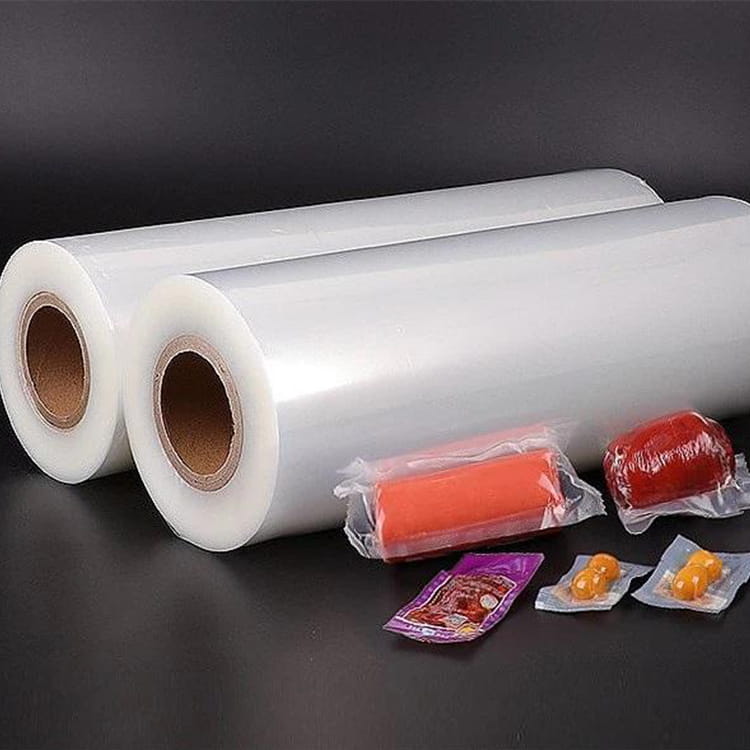
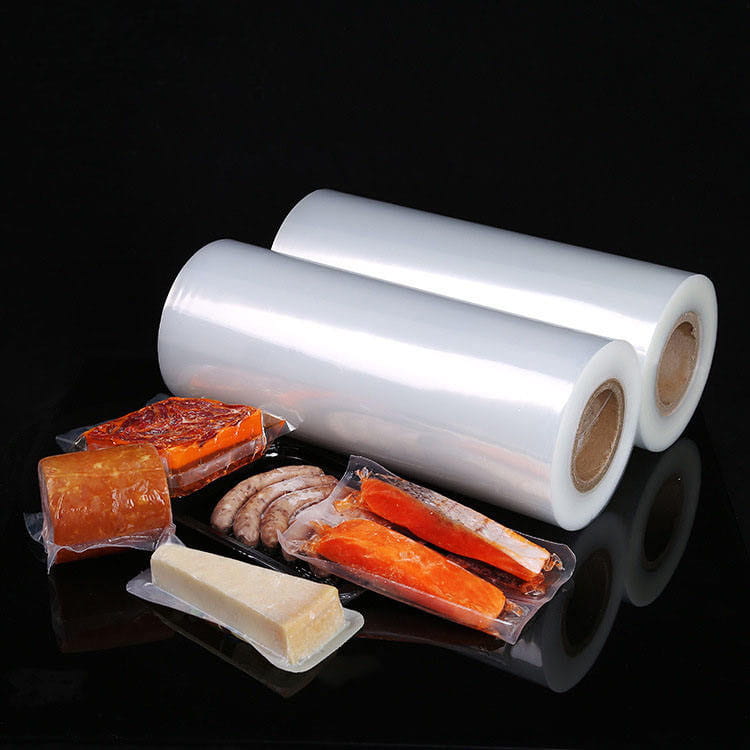
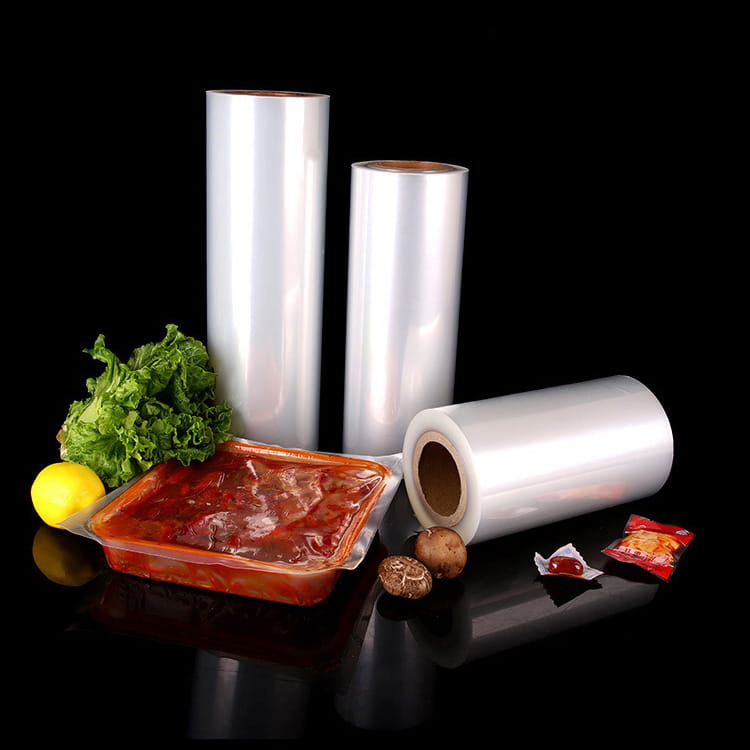
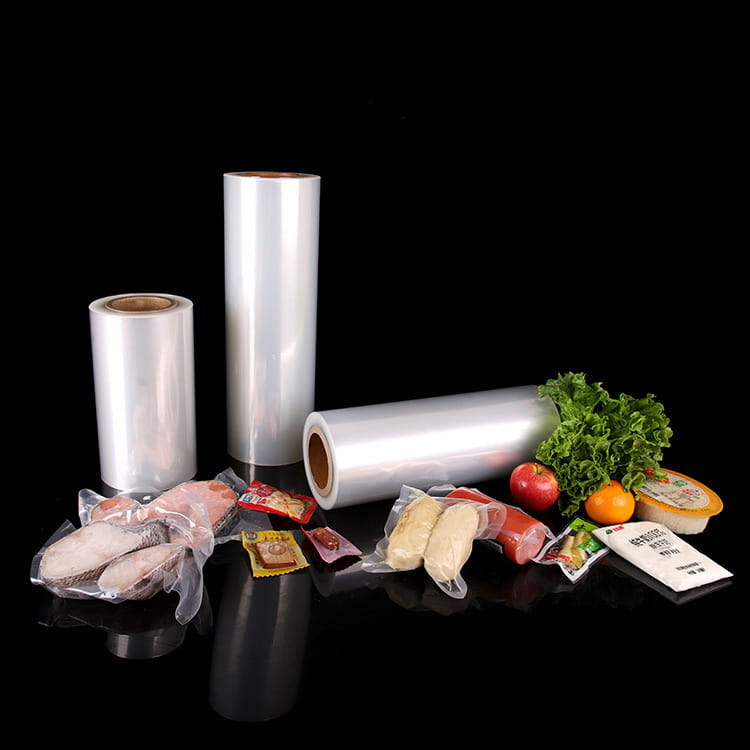
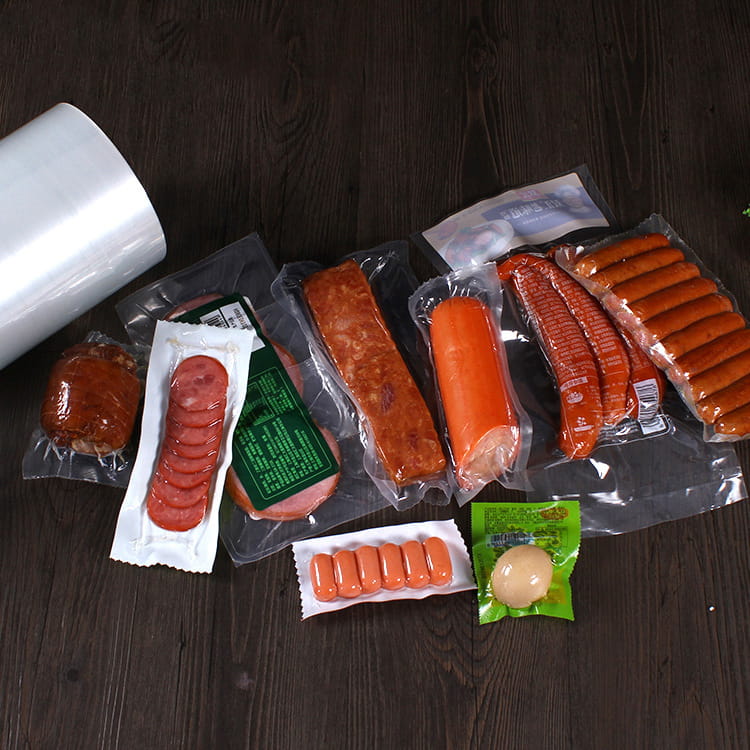
Image reference for a typical finished packaging bag product used in food contact applications:

Frequently Asked Questions
Q1: What does SQF stand for in the context of packaging certification?
SQF stands for Safe Quality Food, a certification program benchmarked under a globally recognized food safety scheme, applied to packaging producers whose materials come into contact with food products.
Q2: What is the difference between Stage 1 and Stage 2 of an SQF audit?
Stage 1 reviews whether documentation and system readiness meet the code requirements, while Stage 2 is a full onsite verification of practices, records, and physical conditions across the facility.
Q3: How long does SQF certification remain valid?
Certification is generally valid for a twelve month cycle, after which a surveillance or recertification audit is required to maintain certified status.
Q4: Does SQF certification apply to plastic packaging bag manufacturers specifically?
Yes, packaging manufacturers producing bags or films for food contact use are commonly required to hold SQF or an equivalent GFSI benchmarked certification by their food industry customers.
Q5: What happens if a facility fails an SQF audit?
The facility receives a list of nonconformances with defined timeframes to submit corrective action evidence, and certification is withheld or suspended until major nonconformances are resolved.