

 English
 عربى
عربى


Introduction to High-Barrier Food Packaging
The demand for extended shelf life in packaged foods has driven innovation in barrier films, which prevent oxygen, moisture, and other gases from compromising product quality. In the past, PVDC (polyvinylidene chloride) dominated high-barrier packaging due to its excellent gas barrier properties. However, environmental concerns, processing limitations, and evolving performance requirements have shifted industry preference toward EVOH (ethylene vinyl alcohol).
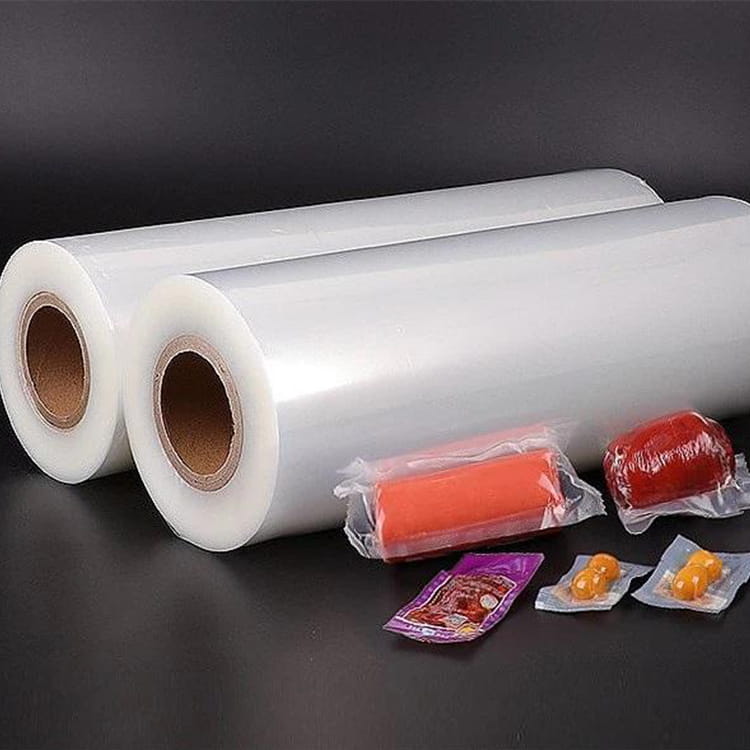
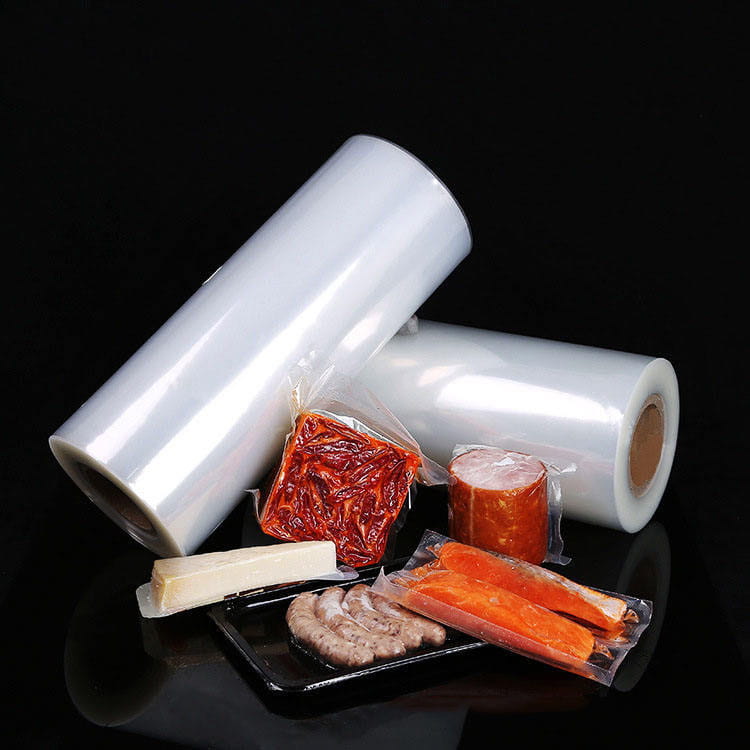
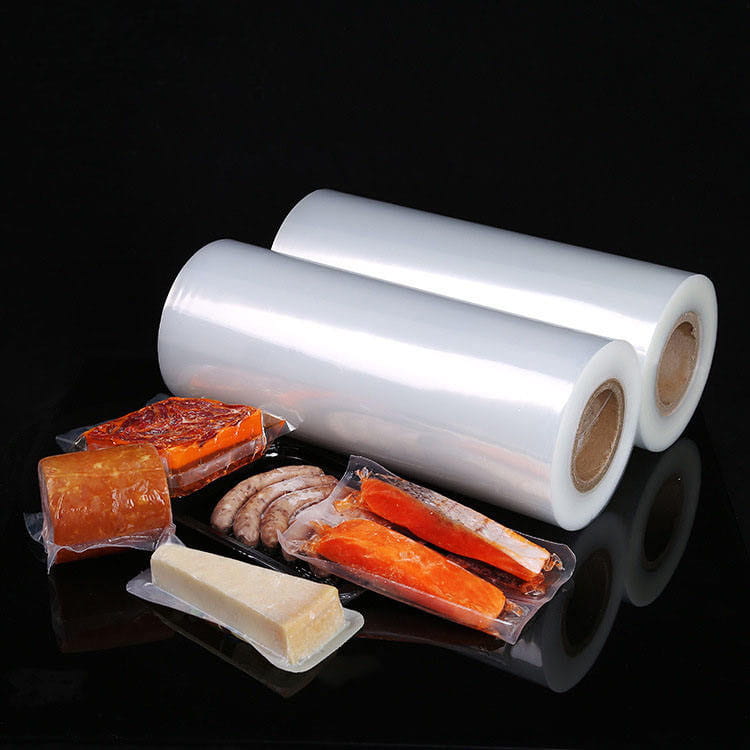
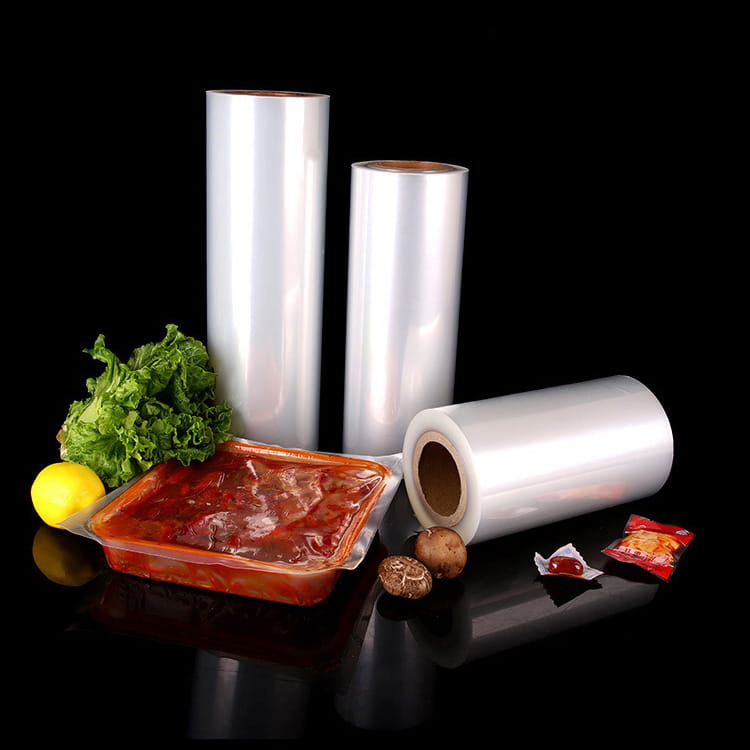
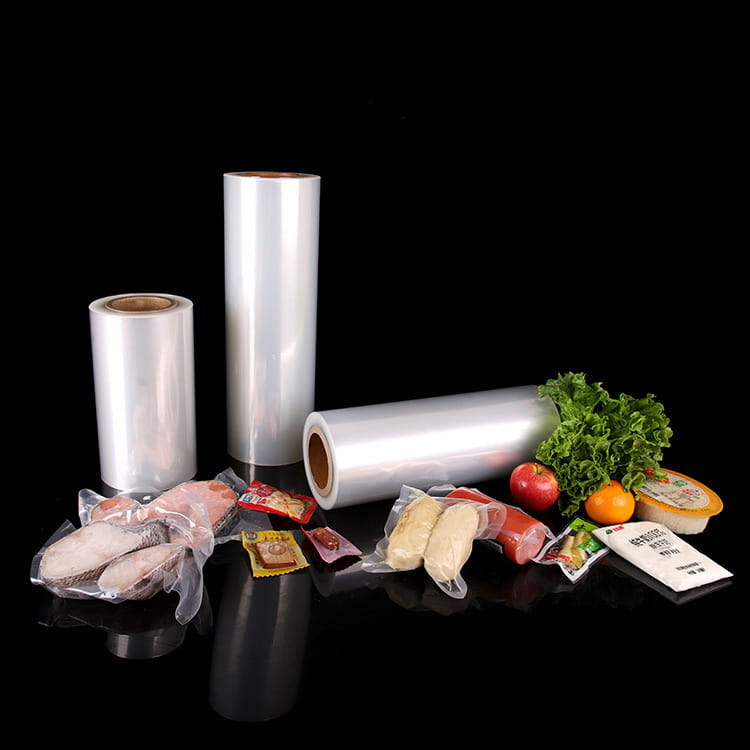
Modern food packaging demands multilayer films that combine barrier performance with flexibility, printability, and sustainability. A notable example is the 9 layer EVOH high barrier forming film for food packaging, which balances oxygen barrier efficiency, mechanical performance, and adaptability for thermoforming and other packaging methods.
Comparing EVOH and PVDC Barrier Properties
Both EVOH and PVDC offer strong oxygen barrier properties, yet their performance varies significantly under different environmental conditions. EVOH excels in maintaining low oxygen permeability at moderate humidity, making it ideal for food products sensitive to oxidation.
Oxygen Transmission Rate (OTR)
EVOH provides an OTR as low as 0.1 cc/m²/day in multilayer films, which is comparable to PVDC in dry conditions but superior when integrated into coextruded structures. PVDC's barrier efficiency diminishes when exposed to moisture, while EVOH’s multilayer integration maintains consistent barrier performance.
Moisture Sensitivity
PVDC tends to hydrolyze under high humidity or during sterilization processes, leading to a decline in barrier performance over time. EVOH, when encapsulated within multilayer structures, offers enhanced resistance to moisture without sacrificing oxygen barrier capabilities.
Processing Advantages of EVOH Films
From a manufacturing standpoint, EVOH offers distinct advantages over PVDC, particularly for thermoforming and high-speed packaging lines. Its compatibility with polyethylene (PE), polypropylene (PP), and other polyolefins allows for complex multilayer constructions without chemical incompatibility issues.
Thermoforming Efficiency
The 9 layer EVOH high barrier forming film for food packaging demonstrates excellent drawability, uniform thickness distribution, and minimal risk of delamination during thermoforming. PVDC films often require additional adhesive layers, increasing material complexity and cost.
Environmental Processing Benefits
EVOH does not release harmful chlorinated compounds during extrusion or disposal, unlike PVDC, which may emit hydrochloric acid during incineration. This makes EVOH more suitable for eco-conscious packaging solutions while aligning with evolving regulatory standards for sustainable materials.
Sustainability Considerations
Sustainability has become a critical factor in food packaging selection. EVOH’s compatibility with mono-material PE or PP layers enables easier recycling compared to PVDC, which contains chlorine and complicates waste processing. The adoption of EVOH contributes to reduced environmental impact while maintaining high barrier functionality.
End-of-Life Management
Multilayer EVOH films can be separated or incorporated into PE or PP recycling streams, unlike PVDC films, which require specialized treatment due to chlorine content. This makes EVOH films an environmentally responsible choice, particularly for large-scale food packaging operations.
Applications in Food Packaging
EVOH films are widely adopted across diverse food categories, including:
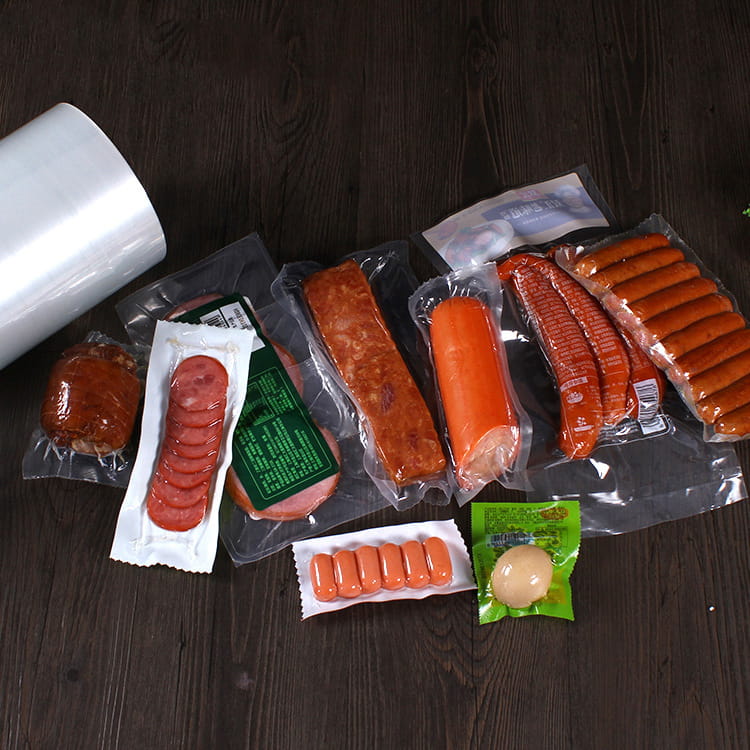
- Ready-to-eat meals requiring vacuum or modified atmosphere packaging (MAP)
- Deli meats and cheeses sensitive to oxygen exposure
- Snack foods and baked goods requiring extended shelf life
- Fresh produce packaging, balancing moisture control and gas permeability
The flexibility of the 9 layer EVOH high barrier forming film for food packaging enables it to be tailored for both rigid trays and flexible pouches, enhancing versatility in production lines without compromising protective qualities.
Cost Considerations and Lifecycle Value
While EVOH films may have a higher initial material cost than PVDC, their lifecycle value justifies adoption:
- Extended shelf life reduces food waste, lowering total product cost.
- Simplified processing and fewer adhesive layers reduce labor and operational costs.
- Sustainability compliance reduces long-term regulatory and disposal expenses.
- Compatibility with automated high-speed packaging improves production efficiency.
Ultimately, EVOH provides a balance between performance, processing efficiency, and environmental responsibility that PVDC struggles to match.
Technical Performance Table: EVOH vs PVDC
| Property | EVOH (Multilayer) | PVDC |
| Oxygen Transmission Rate (OTR) | 0.1–0.3 cc/m²/day | 0.1–0.3 cc/m²/day (degrades in humidity) |
| Moisture Sensitivity | Low (encapsulated layers) | High (hydrolysis risk) |
| Processing Compatibility | High with PE/PP | Limited, requires adhesive layers |
| Environmental Impact | Recyclable with PE/PP streams | Chlorinated, harder to recycle |
| Thermoforming Performance | Excellent | Moderate |
Conclusion
The transition from PVDC to EVOH in high-barrier food packaging is driven by a combination of performance, processing, and sustainability factors. 9 layer EVOH high barrier forming films provide reliable oxygen protection, moisture resistance, and mechanical robustness, while supporting flexible packaging designs and environmentally responsible production. These advantages position EVOH as the preferred material in modern food packaging solutions.
FAQ
Q1: Why is EVOH preferred over PVDC for food packaging?
EVOH is preferred due to consistent oxygen barrier performance under varying humidity, better recyclability, and compatibility with polyolefin processing.
Q2: Can EVOH replace PVDC in thermoforming applications?
Yes. EVOH performs well in multilayer thermoforming films, such as the 9 layer EVOH high barrier forming film for food packaging, providing excellent drawability and minimal delamination.
Q3: How does EVOH contribute to sustainability?
EVOH enables recycling with PE/PP streams and avoids chlorine emissions, unlike PVDC, making it more environmentally friendly.
Q4: What food products benefit most from EVOH films?
Ready-to-eat meals, deli meats, cheeses, snacks, baked goods, and fresh produce all benefit from EVOH’s high-barrier performance and extended shelf life capabilities.