

 English
 عربى
عربى


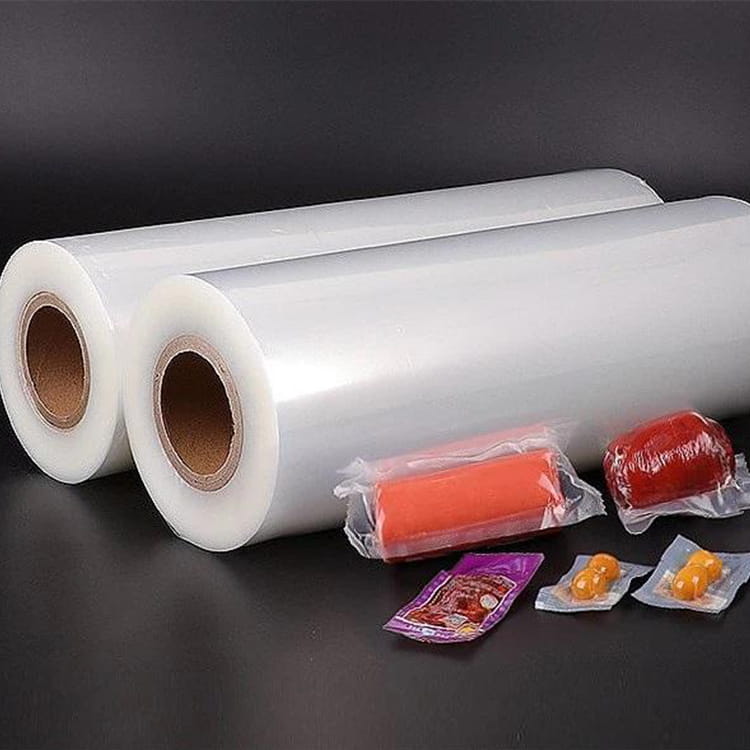
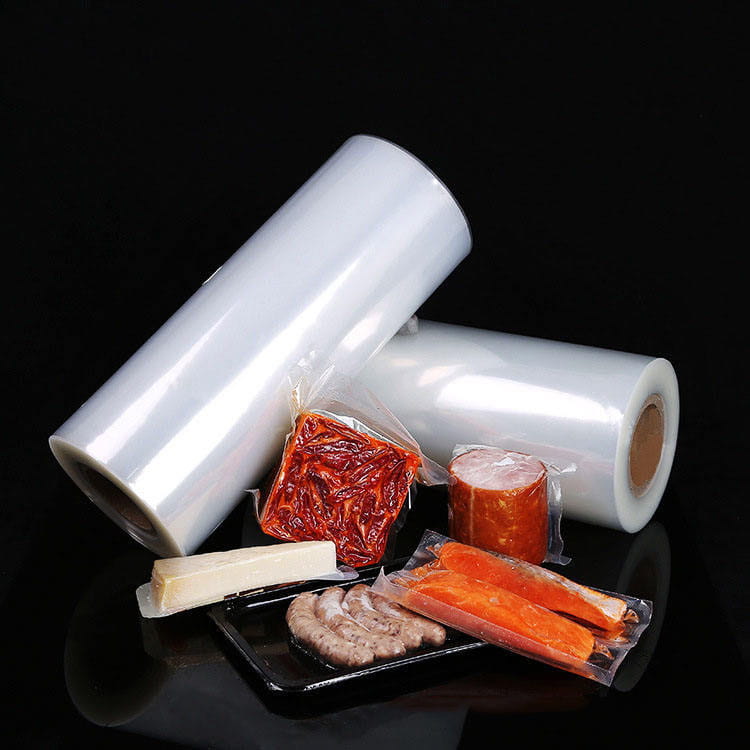
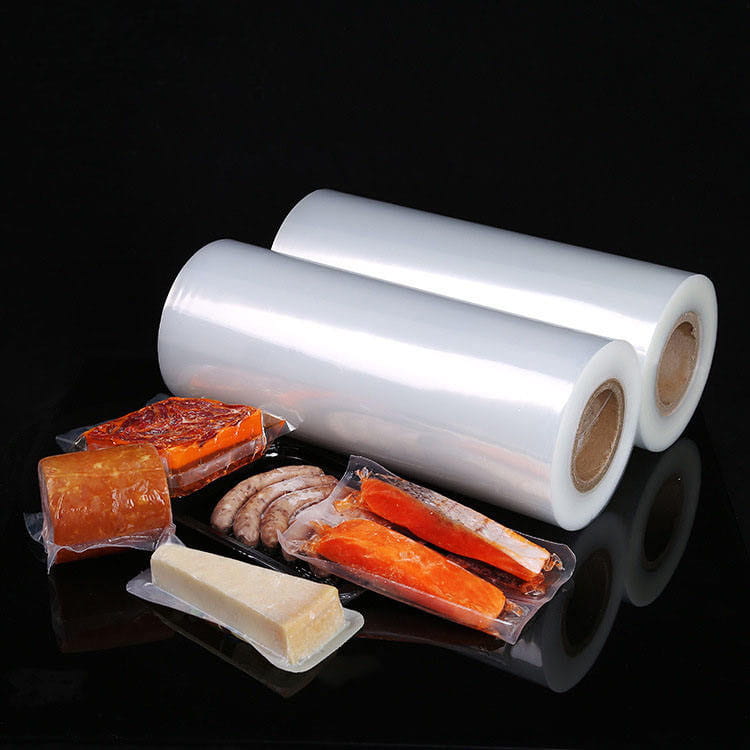
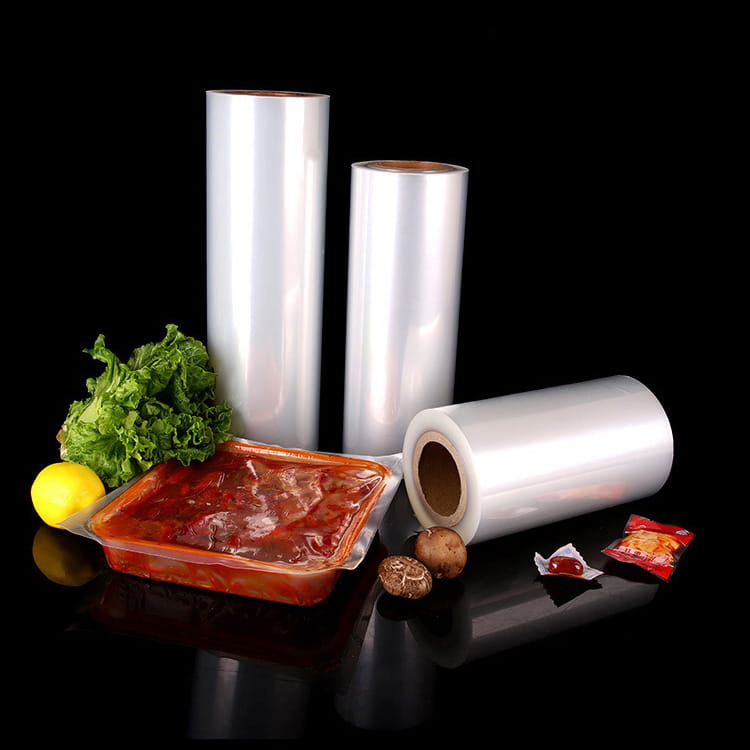
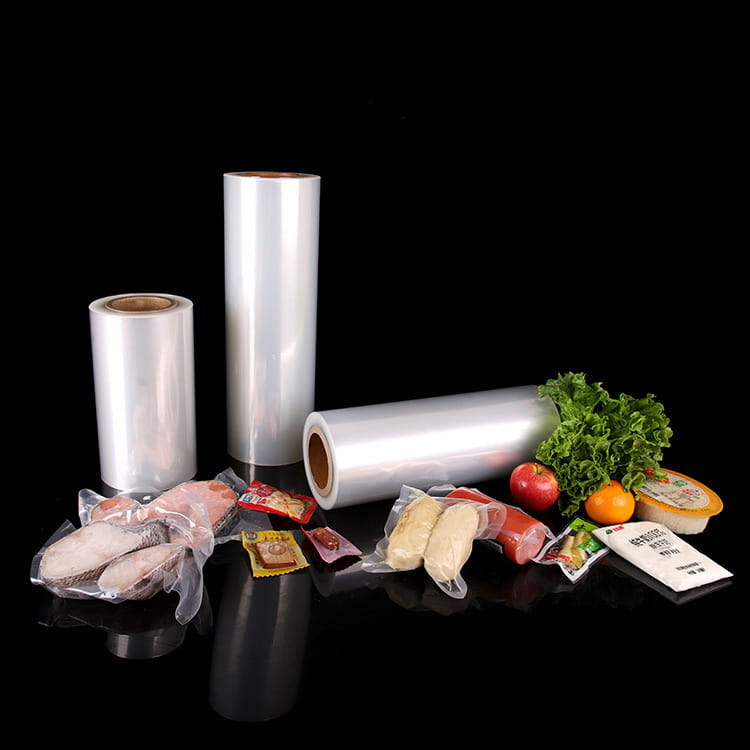
Tubular transparent packaging film is a versatile material widely used across food, pharmaceutical, and consumer goods industries. Its primary function is to protect products from external contamination while maintaining visibility. In recent years, the incorporation of anti-fog coatings has become increasingly important, particularly in applications where moisture accumulation can compromise product quality and consumer appeal.
Understanding tubular transparent packaging film
Tubular transparent packaging film is a flexible packaging solution typically manufactured from polymers such as polyethylene (PE), polypropylene (PP), or polyethylene terephthalate (PET). Its tubular form allows for seamless packaging, reducing the need for additional sealing processes and minimizing packaging waste. The transparency of the film is a critical attribute, providing clear product visibility, which is essential for consumer acceptance in retail environments.
In addition to its basic protective function, tubular transparent packaging film must meet specific performance requirements, including moisture resistance, tensile strength, clarity, and heat sealability. The integration of surface coatings, particularly anti-fog coatings, enhances these functional properties by addressing challenges related to condensation and fog formation on the film surface.
The problem of fog formation in packaging
Fog formation occurs when water vapor condenses on the inner surface of packaging film, creating small droplets that scatter light and reduce transparency. This phenomenon is common in high-humidity environments, cold storage, or products with high moisture content, such as fresh produce, frozen foods, and ready-to-eat meals. Fog can have several negative effects on packaging performance:
- Reduced product visibility, which can decrease consumer appeal and hinder purchasing decisions.
- Perceived quality issues, as fog may suggest that the product is compromised or less fresh.
- Potential impact on product safety, especially if moisture encourages microbial growth.
For these reasons, addressing fog formation is a critical consideration for both packaging engineers and buyers in the food and pharmaceutical industries.
Mechanisms of anti-fog coatings
Anti-fog coatings are designed to prevent water droplets from forming on the surface of tubular transparent packaging film. They achieve this by modifying the surface properties of the film, promoting the formation of a thin, uniform water layer rather than discrete droplets. There are two main mechanisms:
- Hydrophilic coatings: These coatings attract water molecules and spread them evenly across the surface. The water forms a continuous, transparent layer rather than droplets, preserving the clarity of the film.
- Surface energy modification: By altering the surface energy of the film, anti-fog coatings reduce the tendency of water to bead up. This is especially effective for packaging applications in high-humidity or temperature-variable environments.
The choice of anti-fog technology depends on factors such as the type of polymer used, the expected storage conditions, and the intended product shelf life.
Benefits of anti-fog coatings in tubular transparent packaging film
The integration of anti-fog coatings provides multiple benefits for both manufacturers and end-users:
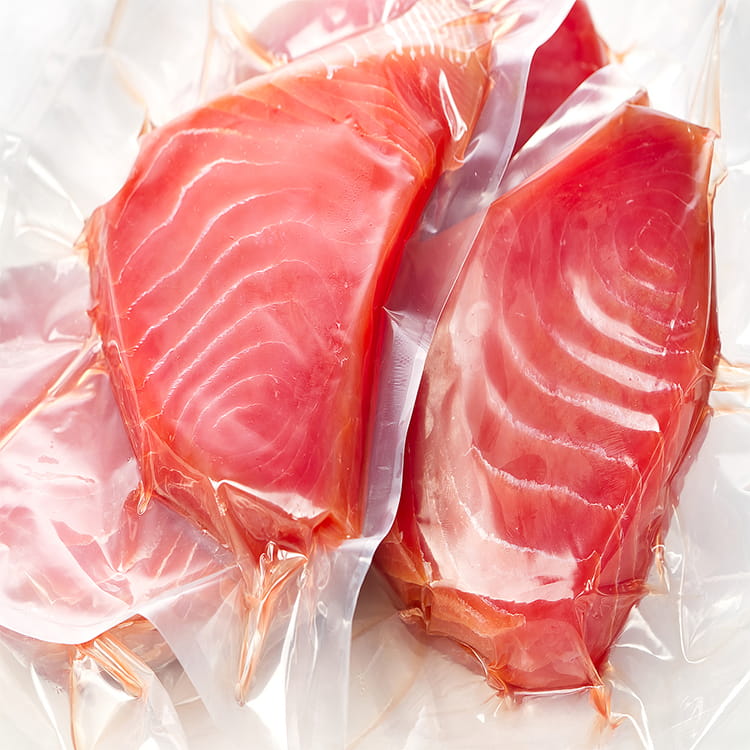
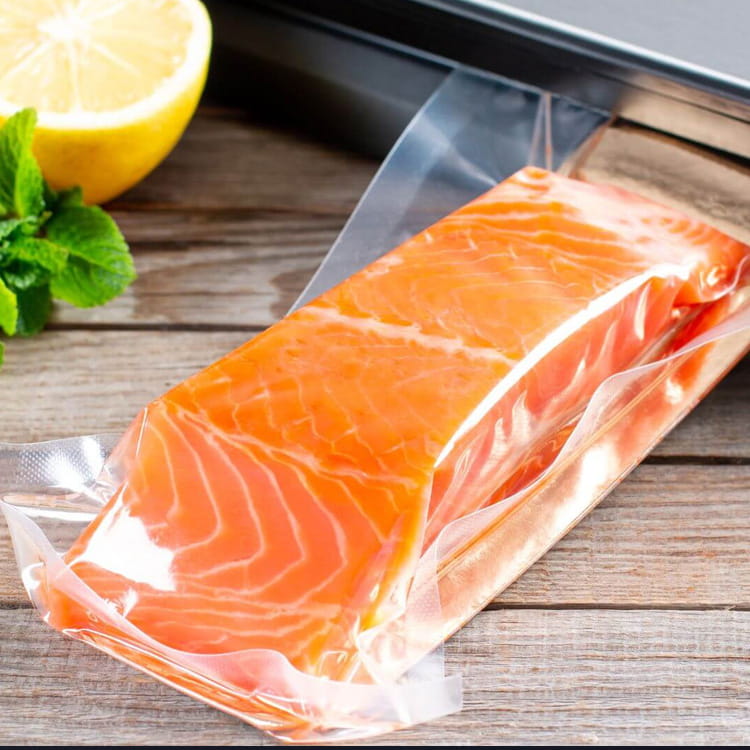
- Enhanced product visibility: Anti-fog coatings maintain the transparency of the film, ensuring that consumers can clearly see the product. This is particularly important for fresh produce, frozen goods, and pre-packaged meals.
- Extended shelf life: By preventing condensation, anti-fog coatings help reduce moisture-related degradation, such as microbial growth or texture changes in food products.
- Improved consumer experience: Clear packaging enhances the perception of freshness and quality, supporting brand reputation and customer satisfaction.
- Operational efficiency: Anti-fog coatings reduce the need for frequent handling or wiping of packaging surfaces in high-humidity environments, improving efficiency in production and retail settings.
These advantages make anti-fog coatings an essential consideration in the design and selection of tubular transparent packaging film for high-moisture and temperature-sensitive products.
Applications across industries
Anti-fog coatings in tubular transparent packaging film are widely used in industries where visibility and freshness are critical:
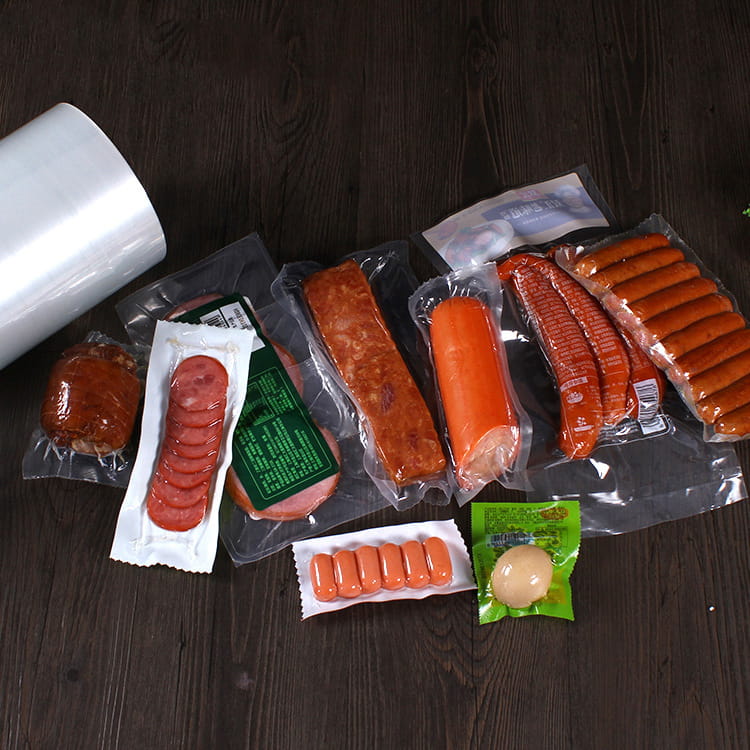
- Food packaging: Fresh fruits, vegetables, salads, and ready-to-eat meals benefit from anti-fog coatings to maintain an attractive appearance in refrigerated display cases.
- Frozen foods: Ice cream, frozen vegetables, and prepared meals often condense during thawing or storage, making anti-fog properties vital for maintaining clear visibility.
- Beverage packaging: Cold beverage bottles or multipacks wrapped in tubular transparent packaging film require anti-fog coatings to prevent condensation during refrigeration.
- Pharmaceuticals: Certain medications and supplements packaged in clear film require protection from moisture accumulation to preserve product integrity and readability of labels.
These applications illustrate the broad relevance of anti-fog coatings in maintaining product quality, consumer appeal, and packaging performance.
Considerations for manufacturers
When selecting or producing tubular transparent packaging film with anti-fog coatings, manufacturers should evaluate several technical factors:
- Compatibility with the base polymer: The anti-fog coating must adhere effectively without compromising film flexibility or clarity.
- Durability: Coatings should withstand mechanical handling, sealing, and transportation without losing efficacy.
- Food safety compliance: Coatings used in food packaging must comply with relevant regulatory standards to ensure safe contact with consumables.
- Cost-effectiveness: While anti-fog coatings enhance performance, manufacturers must balance additional costs with benefits in terms of shelf appeal and reduced product waste.
By carefully addressing these factors, manufacturers can optimize the performance of tubular transparent packaging film and provide value to buyers across multiple sectors.
Buyer considerations
For buyers, selecting tubular transparent packaging film with anti-fog properties involves understanding both product requirements and operational conditions:
- Product type: High-moisture products or those stored in refrigeration require films with superior anti-fog performance.
- Storage and display conditions: Films intended for cold chain or humid environments must maintain clarity despite condensation risks.
- Regulatory compliance: Buyers must ensure that the selected film meets all applicable food safety and labeling regulations.
- Cost-benefit analysis: The improved visibility, shelf life, and consumer appeal offered by anti-fog coatings should be weighed against additional procurement costs.
By addressing these considerations, buyers can select the most suitable tubular transparent packaging film for their specific applications.
Performance evaluation and testing
Evaluating the effectiveness of anti-fog coatings in tubular transparent packaging film requires standardized testing methods. Key evaluation criteria include:
- Fog resistance under high humidity: Simulating storage conditions to measure the persistence of clarity over time.
- Adhesion and durability: Ensuring the coating remains effective during handling, sealing, and transportation.
- Optical clarity: Assessing transparency through visual inspection or specialized instruments to verify that visibility is maintained.
- Moisture migration resistance: Evaluating the ability of the film to manage condensation and prevent water droplet formation.
Manufacturers often provide performance data to help buyers make informed decisions and optimize packaging applications.
Future trends and innovations
The demand for tubular transparent packaging film with anti-fog coatings is expected to grow due to increasing consumer expectations for freshness, product visibility, and quality assurance. Emerging trends include:
- Sustainable coatings: Development of environmentally friendly anti-fog coatings compatible with recyclable and biodegradable films.
- Multi-functional films: Integration of anti-fog properties with other features such as antimicrobial coatings, heat-sealability enhancements, or barrier layers.
- Advanced polymer technologies: Innovations in polymer formulations that enhance adhesion and durability of anti-fog coatings while maintaining transparency and flexibility.
These trends reflect the evolving needs of industries relying on tubular transparent packaging film and the growing emphasis on performance, sustainability, and consumer experience.