

 English
 عربى
عربى


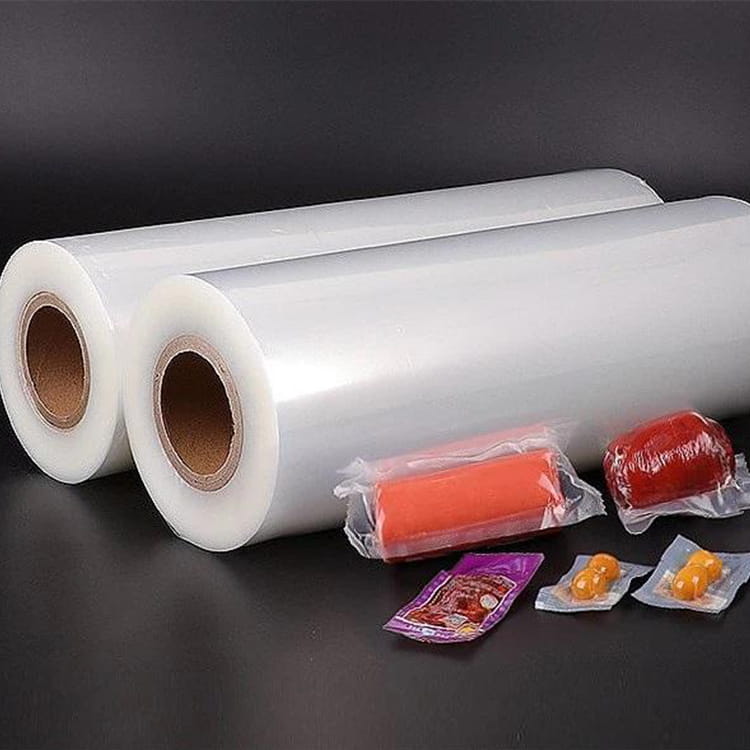
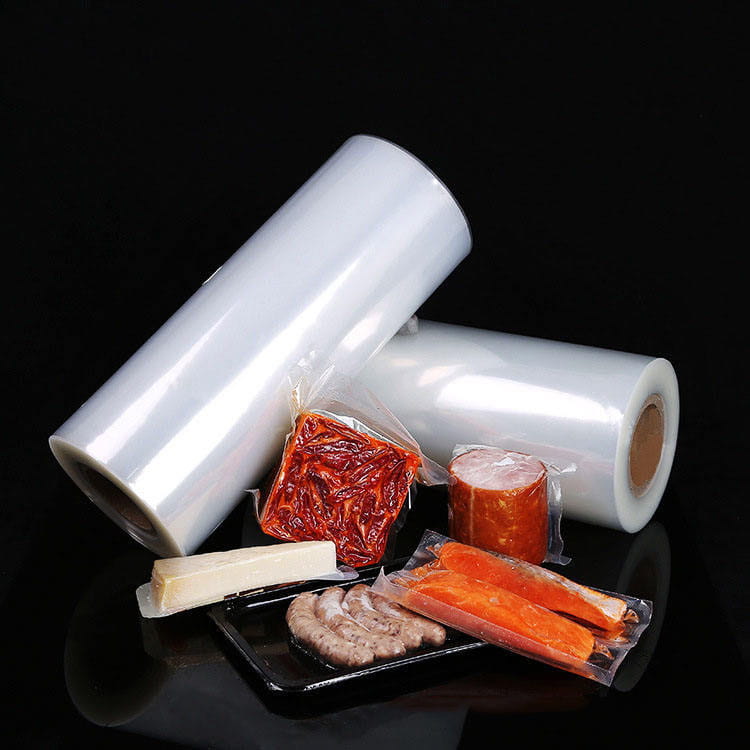
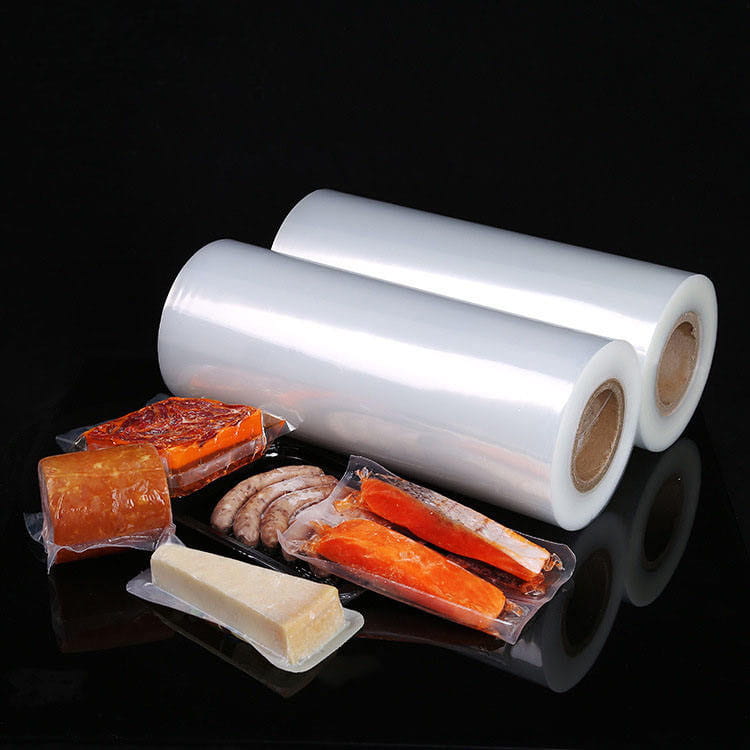
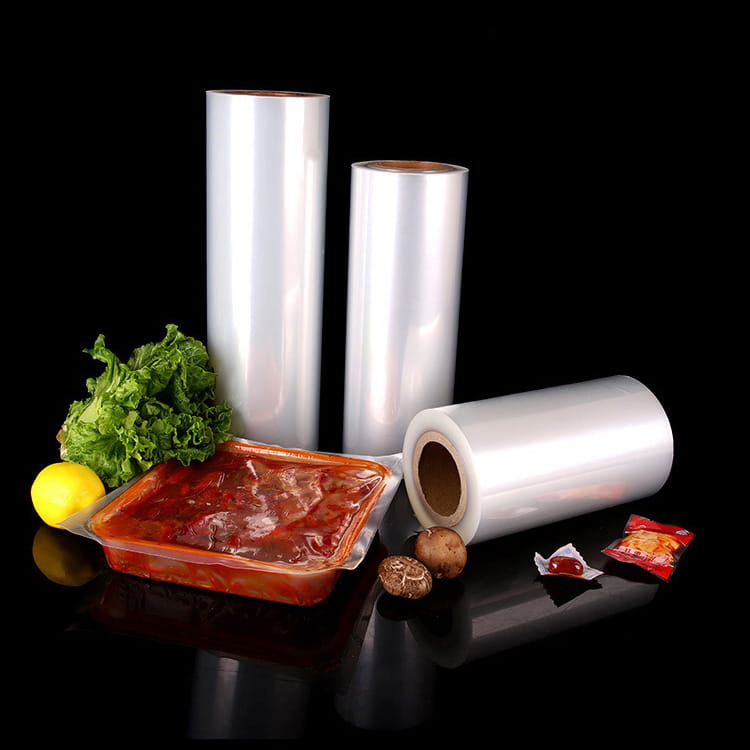
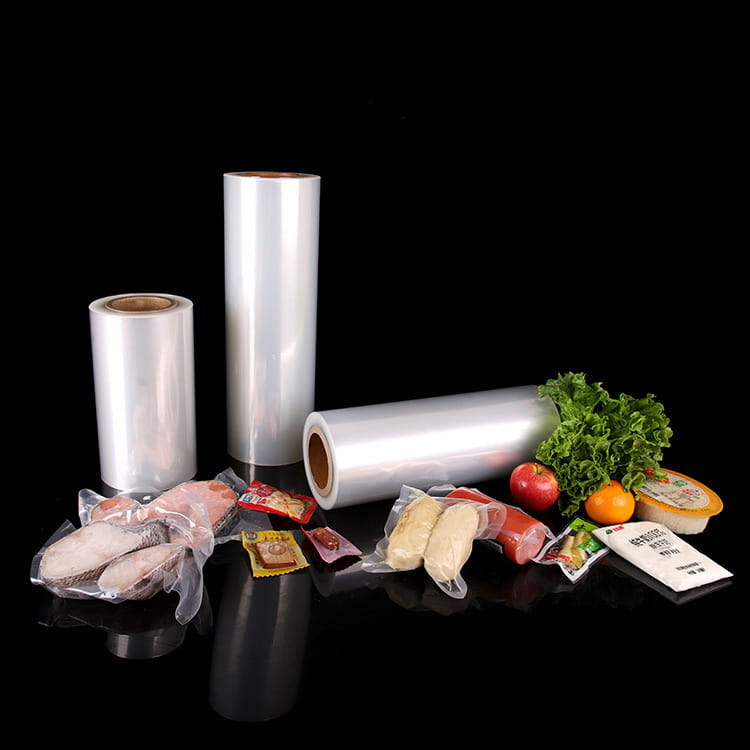
In modern packaging systems, the coextruded top and bottom high barrier film has emerged as a critical material for enhancing product protection, shelf life, and overall packaging performance. Unlike single-layer films, coextruded films integrate multiple polymer layers in a single manufacturing process, allowing for optimized barrier properties, mechanical strength, and process compatibility.
1. Structural Composition and Engineering Perspective
Coextruded barrier films are engineered through a process that combines multiple polymer layers into a single film structure. Each layer can serve a specific function, including:
- Barrier Function: Layers with high gas and moisture resistance reduce oxygen and water vapor transmission, which is critical for perishable products.
- Mechanical Strength: Structural layers provide tensile strength, puncture resistance, and flexibility, supporting both automated and manual handling.
- Sealing and Processability: Sealant layers enable compatibility with various packaging machinery, including thermoforming, flow-wrapping, and vacuum packaging.
From a systems engineering standpoint, the integration of these layers into a single film minimizes the variability introduced by combining different films post-production. This leads to consistent performance across the packaging line, reducing waste and operational interruptions.
2. Barrier Performance Comparison
The key advantage of coextruded films over single-layer alternatives lies in their ability to simultaneously meet multiple barrier requirements. Single-layer films typically provide limited protection against gases, moisture, and light. Coextruded structures can incorporate specialized polymers for each layer, achieving a balanced performance profile.
| Property | Single-Layer Film | Coextruded Top and Bottom High Barrier Film |
|---|---|---|
| Oxygen Transmission Rate (OTR) | Moderate | Low (enhanced) |
| Water Vapor Transmission Rate (WVTR) | Moderate | Low (enhanced) |
| Light Protection | Limited | Customizable with UV-blocking layers |
| Mechanical Strength | Variable | High and uniform |
| Seal Integrity | Limited | Reliable across packaging types |
As the table illustrates, coextruded films provide superior barrier performance without compromising mechanical properties, making them suitable for demanding packaging applications.
3. Shelf-Life Extension and Product Stability
Product degradation in packaging systems is often influenced by oxygen, moisture, and light exposure. The use of coextruded top and bottom high barrier film ensures a multilayer approach to protection.
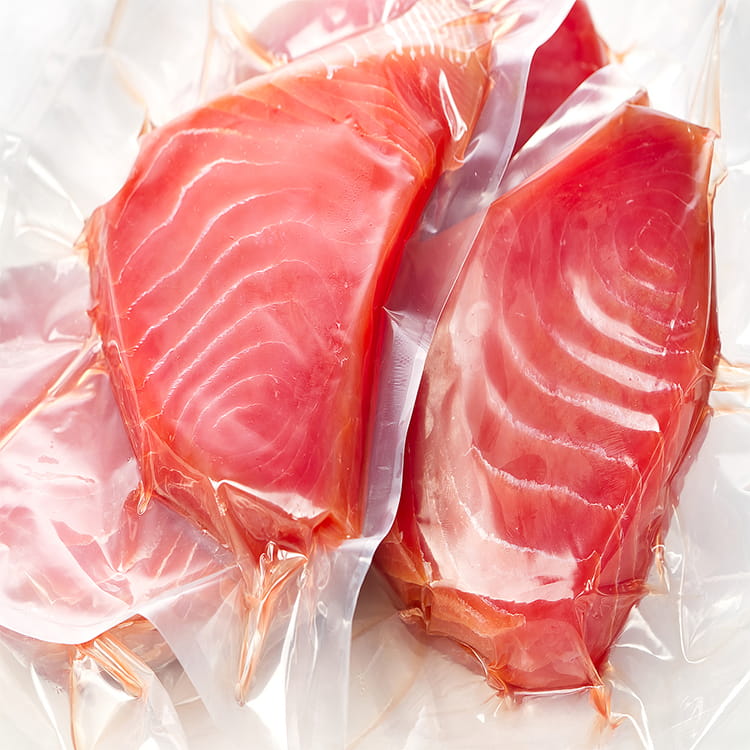
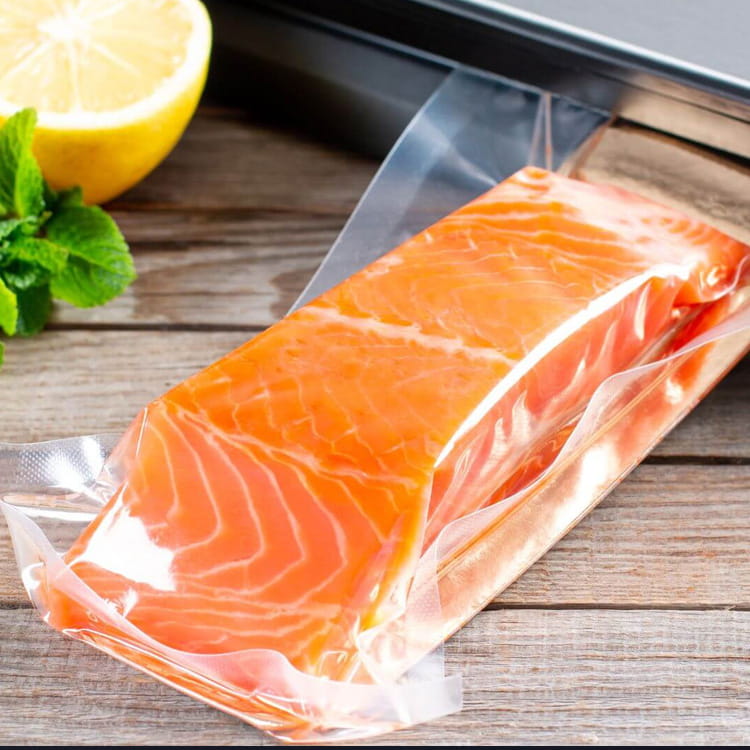
- Oxygen-sensitive products such as pharmaceuticals and fresh food benefit from reduced oxygen transmission, minimizing oxidation.
- Moisture-sensitive products maintain their intended texture, chemical stability, and performance.
- Light-sensitive products can be shielded using layers that selectively filter harmful wavelengths, without affecting visual clarity or printability.
By engineering films to match specific barrier requirements, manufacturers can extend the shelf life of products while reducing the need for secondary packaging.
4. Process Efficiency and Equipment Compatibility
From a technical integration perspective, coextruded films are advantageous in packaging lines due to:
- Thermoforming and flow-wrapping compatibility: Tailored layers allow films to seal effectively at lower temperatures while maintaining structural integrity.
- Reduced material handling: Single-film multilayer structures eliminate the need for laminating separate films, reducing operational complexity and machine downtime.
- Consistent web tension and feed: Engineered coextruded films maintain dimensional stability, reducing jams and defects on high-speed packaging lines.
The system-level benefit is a reliable packaging process, with predictable sealing behavior, reduced waste, and consistent package quality.
5. Design Flexibility and Layer Optimization
Coextrusion technology allows engineers to design films with specific layer compositions for targeted performance. Common layer configurations include:
- Barrier layer (EVOH, PVDC, or other high-barrier polymers) for oxygen and moisture resistance.
- Structural layer (PET, oriented polypropylene) for mechanical strength and dimensional stability.
- Sealant layer (polyethylene or modified polymers) for thermal and mechanical sealing.
This flexibility enables the development of customized solutions for different product categories, such as food, pharmaceuticals, and industrial components, aligning film properties with the end-use requirements.
6. Sustainability and Material Efficiency
While single-layer films may require additional packaging layers or laminates to achieve equivalent barrier performance, coextruded films can consolidate multiple functions into a single, thinner material. This approach:
- Reduces material consumption.
- Minimizes transportation volume.
- Potentially lowers energy use in manufacturing.
The integration of barrier, mechanical, and sealing layers into one structure aligns with sustainability objectives by optimizing resource usage while maintaining high performance.
7. System-Level Reliability and Risk Mitigation
Coextruded films enhance system reliability by addressing critical failure modes observed in single-layer alternatives:
- Delamination: Single-layer laminates can separate under thermal or mechanical stress; coextruded films eliminate the interface between layers.
- Seal failure: Engineered sealant layers provide robust sealing, reducing the risk of leaks.
- Mechanical tears: Structural layers distribute stress and reduce puncture susceptibility.
By considering coextruded films from a system engineering perspective, manufacturers can mitigate operational risks and maintain consistent product quality.
8. Cost-Benefit Analysis
Although coextruded films may have higher material costs than simple single-layer films, their system-level advantages often justify the investment:
| Aspect | Single-Layer Film | Coextruded Top and Bottom High Barrier Film |
|---|---|---|
| Material Cost | Lower | Higher |
| Waste Reduction | Moderate | High |
| Downtime & Machine Stops | Higher | Lower |
| Shelf-Life-Related Loss | Higher | Lower |
| Overall System Cost | Potentially Higher | Optimized |
The total cost of ownership favors coextruded films when evaluated in the context of operational efficiency, waste reduction, and product integrity.
9. Applications Across Industries
The versatility of coextruded high-barrier films supports a broad range of applications:
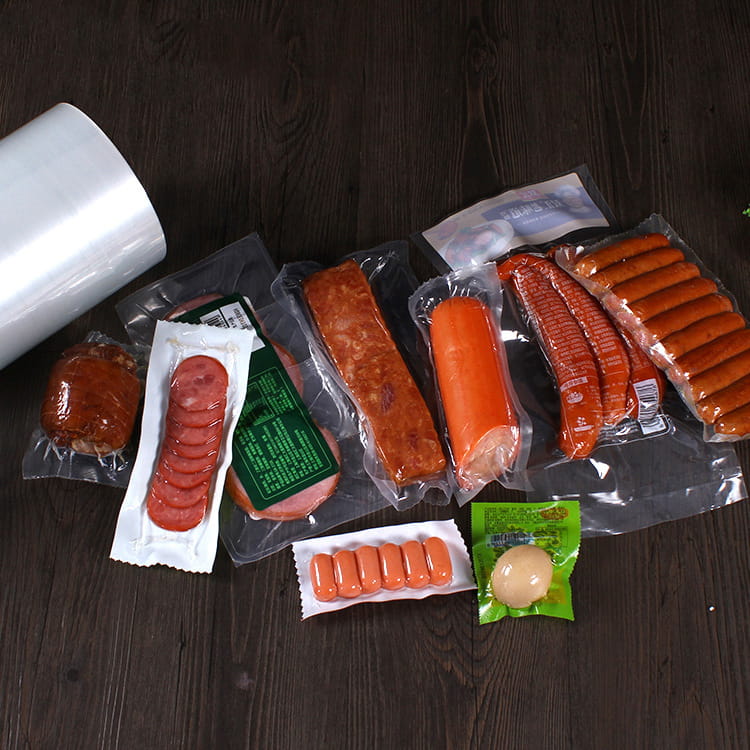
- Food Packaging: Extends freshness for baked goods, dairy, meat, and snacks.
- Pharmaceutical Packaging: Protects sensitive compounds from oxygen, moisture, and light exposure.
- Industrial Components: Maintains component stability in electronics and sensitive equipment.
- Medical Devices: Ensures sterility and barrier protection for single-use devices.
Engineering teams can select or design coextruded films to meet specific barrier requirements for each application.
Summary
Coextruded top and bottom high-barrier films provide significant advantages over single-layer alternatives by offering:
- Superior barrier properties (oxygen, moisture, light).
- Enhanced mechanical strength and sealability.
- Customizable layer structures for targeted performance.
- Operational efficiency and system reliability.
- Potential sustainability benefits through material consolidation.
From a system engineering perspective, coextruded films improve packaging performance while minimizing process risk, ensuring consistent product protection and cost efficiency.
FAQ
Q1: Can coextruded films be tailored for specific packaging machinery?
Yes, coextruded films can be engineered with specific sealant and structural layers to ensure compatibility with thermoforming, flow-wrapping, vacuum sealing, and other packaging processes.
Q2: How do coextruded films compare to laminated films in barrier performance?
While laminated films can achieve similar barrier properties, coextruded films offer improved layer adhesion, reduced delamination risk, and enhanced mechanical strength.
Q3: Are coextruded films suitable for recyclable packaging initiatives?
Yes, many coextruded films are designed with recyclable polymers, and the single-film structure simplifies separation and recycling processes.
Q4: How does the cost of coextruded films justify itself in packaging systems?
Although material costs are higher, the reduction in waste, downtime, and product spoilage often results in lower overall system costs.
Q5: What industries benefit most from coextruded high barrier films?
Industries such as food, pharmaceuticals, medical devices, and industrial components gain significant benefits from the enhanced barrier and mechanical properties of coextruded films.
References
- Robertson, G.L., Food Packaging: Principles and Practice, CRC Press, 2016.
- Yam, K.L., Encyclopedia of Packaging Technology, 3rd Edition, Wiley, 2017.
- Marsh, K., Bugusu, B., Food Packaging—Roles, Materials, and Environmental Issues, Journal of Food Science, 2007.