

 English
 عربى
عربى


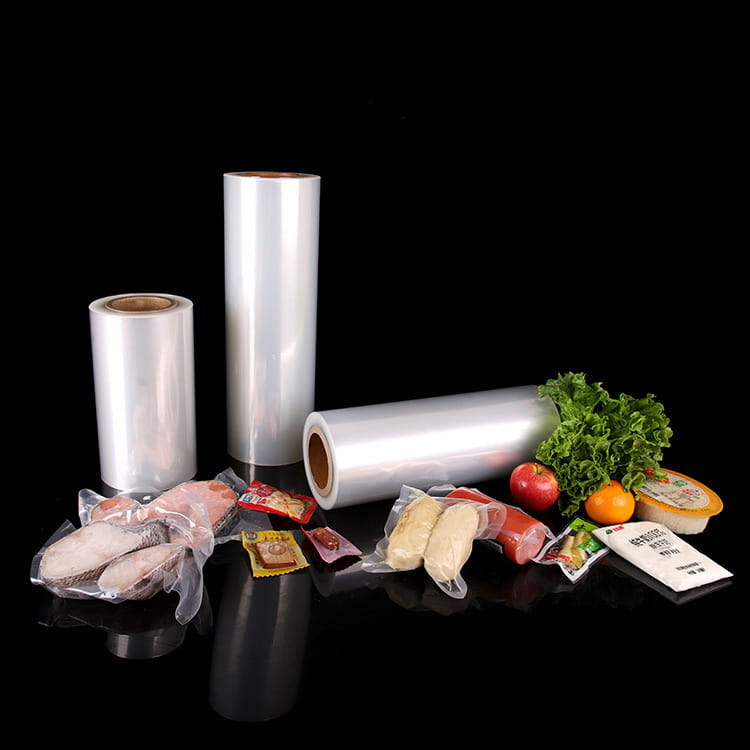
Understanding PA/PE Coextruded Tubular Films in Modern Packaging
The packaging industry has undergone significant transformation over the past two decades. As product demands evolve, manufacturers increasingly turn to advanced film technologies to meet stringent requirements for shelf life, product protection, and sustainability. Among these innovations, PA/PE coextruded tubular films have emerged as a cornerstone technology for premium packaging applications.
Traditional single-layer or dual-layer films served their purpose adequately for decades, but modern supply chains demand more sophisticated solutions. The rise of e-commerce, extended distribution networks, and consumer expectations for product quality have created a necessity for films that offer superior barrier properties, mechanical strength, and versatility. This is where coextruded tubular film roll technology distinguishes itself from conventional approaches.
This comprehensive guide examines the structural, performance, and practical differences between PA/PE coextruded films and their conventional counterparts. By understanding these distinctions, packaging professionals can make informed decisions that balance performance requirements with cost considerations.
Structural Composition: The Foundation of Performance
Conventional Tubular Films: Single and Dual-Layer Systems
Conventional tubular films typically employ straightforward layer architectures. A basic single-layer film consists of polyethylene (PE) or polypropylene (PP), providing fundamental barrier properties and mechanical strength. More advanced conventional systems feature two layers, often combining different polymer grades to balance cost and performance.
The manufacturing process for conventional films is relatively simple: a single resin stream flows through an annular die, forms a bubble, and produces a continuous tubular structure. This simplicity translates to lower capital equipment costs and straightforward production control, making conventional films economically attractive for high-volume applications where barrier requirements remain moderate.
Coextruded Systems: Multi-Layer Precision Engineering
Multi-layer coextruded film technology fundamentally changes how materials are combined. Instead of a single polymer stream, coextrusion simultaneous forces multiple resin streams through separate channels within the same die. These streams converge and bond molecularly as they exit, creating a unified film with precisely controlled layer thicknesses and compositions.
A typical PA/PE coextruded configuration might include three to five distinct layers, each selected for specific functional purposes. For example, an inner tie layer promotes adhesion between structural layers, oxygen barrier layers reduce permeation rates, and outer seal layers provide mechanical protection and surface properties optimized for secondary processing operations.
Mechanical Properties and Structural Integrity
Tensile Strength and Elongation
The multi-layer architecture of coextruded films inherently enhances mechanical performance. The combination of different polymers with complementary properties creates a composite structure where each layer reinforces the others' weaknesses.
Conventional single-layer PE films typically exhibit tensile strength in the machine direction (MD) of 20-35 MPa. Coextruded PA/PE systems routinely achieve 28-45 MPa by incorporating high-strength PA barrier layers that contribute significantly to overall tensile modulus while maintaining desirable elongation characteristics.
Puncture and Tear Resistance
Puncture resistance—the ability to withstand sharp point loads without rupturing—separates premium from commodity films. Conventional films demonstrate moderate puncture ratings of 2-4 kg/mm. Coextruded structures with optimized layer distribution and material selection achieve 4-7 kg/mm, providing substantially greater protection against damage from sharp edges, rough surfaces, or impact scenarios common in logistics environments.
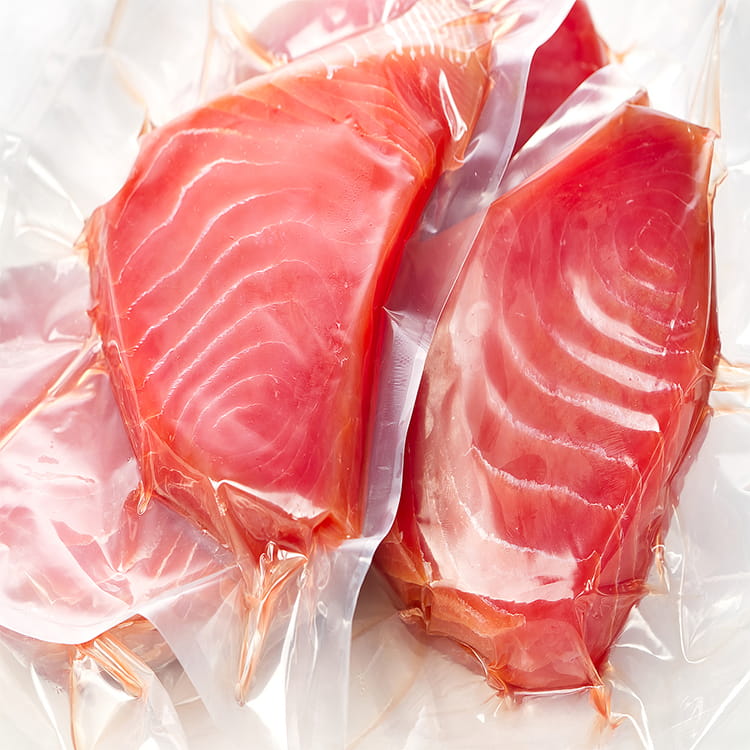
Tear propagation also improves in coextruded systems. The introduction of distinct layers with varying tear strengths creates internal stress distribution patterns that arrest propagating tears before they traverse the entire film thickness. This phenomenon proves particularly valuable for vacuum-packaged products where sudden decompression forces might otherwise cause catastrophic failure.
Impact and Flex Durability
Extended shelf life and complex supply chains expose films to repeated mechanical stresses—compression, flexing, temperature cycling. Conventional films accumulate microcracking and stress whitening as internal stresses accumulate. The PA/PE coextruded architecture distributes these cyclic stresses across multiple layers, dramatically extending flex crack initiation time. Testing reveals 5-10x improvement in repeated compression resistance before visible damage appears.
Processing Capabilities and Manufacturing Flexibility
Heat Sealing Performance
The seal layer in a coextruded film can be engineered independently of barrier requirements. Conventional films compromise—choosing PE grades that balance barrier properties with sealing behavior. Coextruded systems dedicate an outer layer specifically optimized for seal performance while maintaining barrier function through interior layers.
This separation enables seal temperatures 10-15°C lower than conventional films for equivalent seal strength, reducing thermal stress on packaged products and improving energy efficiency in high-speed form-fill-seal operations. Additionally, seal quality consistency improves dramatically because the seal layer composition remains constant regardless of barrier layer formulation changes.
Ink Adhesion and Printing
Direct printing on film packages requires excellent ink adhesion, but barrier layer materials don't always accept inks readily. Coextruded architectures solve this through dedicated outer layers with optimized surface energy and chemical compatibility for printing inks. Conventional films often require corona treatment or adhesion promoters; coextruded systems frequently perform adequately without pre-treatment.
Converting and Secondary Processing
Converting operations—slitting, pouch formation, hole punching—impose intense localized stresses. Coextruded films exhibit superior dimensional stability during converting, producing more consistent pouch dimensions and fewer defects. The multi-layer structure absorbs the energy from cutting dies more effectively, reducing delamination and edge-splitting common with conventional films.
Application Domains and Performance Requirements
Food Packaging
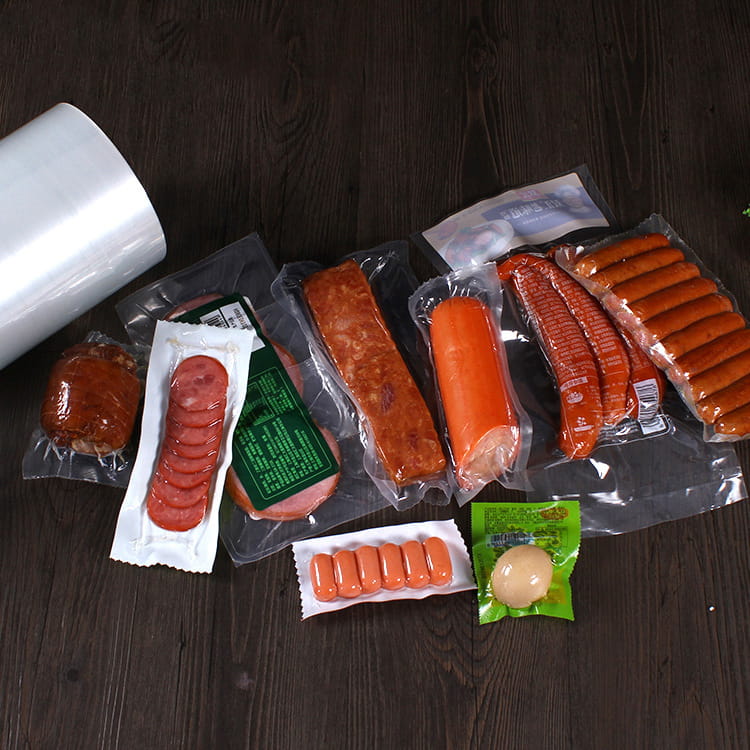
Food packaging represents the largest application sector for both conventional and coextruded films. However, the performance divide becomes apparent with premium products. Coextruded films excel in applications requiring extended shelf life: vacuum-packed cured meats, aseptic cheese packaging, specialty coffee, and nutritional powders all benefit from enhanced oxygen and moisture barriers.
Conventional films remain adequate for shorter shelf-life products (2-4 weeks) in stable temperature environments. But as distribution networks extend and supply chain complexity increases, even commodity food products increasingly migrate toward coextruded solutions to reduce spoilage risk and regulatory compliance costs.
Pharmaceutical and Medical Packaging
Pharmaceutical applications demand absolute barrier reliability. Moisture ingress can trigger chemical degradation in sensitive actives; oxygen can oxidize vitamins and sensitive compounds. High barrier coextruded film provides the consistency and performance margins that regulatory frameworks and manufacturer specifications mandate. The cost premium of coextruded films represents a negligible percentage of finished product cost while providing critical risk mitigation.
Chemical and Reactive Material Packaging
Aggressive chemicals, solvents, and reactive compounds require film materials with exceptional chemical resistance combined with barrier function. Coextruded architectures allow incorporation of specialized barrier materials while maintaining cost-effective outer layers. For example, EVOH-based barrier layers provide exceptional chemical resistance while PE sealing layers ensure reliable package integrity.
Industrial and Agricultural Applications
Seed packaging, fertilizer protection, and industrial product protection benefit from coextruded films' enhanced durability and barrier properties. Extended outdoor storage exposes films to UV degradation and environmental moisture. Coextruded systems with UV-stabilized outer layers and moisture barriers maintain product viability through seasonal storage cycles where conventional films might fail.
Application Suitability Matrix
| Application Type | Shelf Life | Conventional Film | Coextruded Film |
|---|---|---|---|
| Vacuum-Packed Meat | 4-8 weeks | Marginal | Excellent |
| Powder Products | 12+ months | Poor | Excellent |
| Fresh Produce | 2-3 weeks | Good | Excellent |
| Pharmaceuticals | 24+ months | Poor | Essential |
| Commodity Packaging | 1-4 weeks | Adequate | Overkill |
Cost-Benefit Analysis and Economic Considerations
Material Cost Premium
Coextruded films command a material cost premium of 25-45% compared to conventional films, depending on barrier layer formulation and film thickness. For manufacturers accustomed to commodity pricing, this premium warrants careful economic justification. The calculation, however, extends well beyond material costs.
Total Cost of Ownership
A comprehensive economic analysis must account for multiple factors beyond material costs:
- Reduced product spoilage and waste through extended shelf life
- Improved conversion efficiency and reduced defect rates
- Lower thermal energy consumption during heat sealing
- Reduced product recalls and liability from contamination or degradation
- Enhanced brand perception supporting premium pricing
- Regulatory compliance and documentation simplification
Break-Even Analysis
For many packaged goods manufacturers, the economic break-even point occurs surprisingly quickly. Consider a snack food manufacturer producing one million pouches monthly. A 2% reduction in waste through extended shelf life from improved barrier protection eliminates 20,000 spoiled packages. At a typical finished product value of $4-5 per pouch, this waste reduction equals $80,000-100,000 monthly—far exceeding the typical material cost premium of $5,000-10,000 monthly.
Similarly, extended distribution reach enabled by superior shelf life can unlock premium market channels with higher per-unit margins. Premium positioning in specialty retail or international markets frequently commands 15-30% price premiums that easily justify coextruded film investment.
Risk Mitigation Value
Product recalls represent catastrophic financial events that extend beyond immediate replacement costs. Regulatory fines, litigation expenses, brand damage, and market share loss can exceed $10-50 million for major recalls. Coextruded films significantly reduce recall risk through consistent barrier performance margins that withstand manufacturing variability and supply chain uncertainties.
Environmental and Sustainability Considerations
Material Efficiency and Waste Reduction
Counterintuitively, coextruded films can deliver superior environmental performance despite higher material costs. By enabling extended shelf life, coextruded films dramatically reduce food waste throughout supply chains. Data from environmental impact studies indicates that extended shelf life reducing waste by just 3-5% typically outweighs the environmental impact of additional material usage in the film itself.
From a manufacturing perspective, coextruded processes achieve higher material utilization rates. Less trim and off-quality material is generated compared to conventional manufacturing, improving overall production efficiency and reducing landfill impacts.
End-of-Life Considerations
Multi-layer coextruded films present challenges for mechanical recycling compared to single-layer conventional films. However, emerging chemical recycling technologies designed specifically for multi-layer structures offer pathways to recover polymer value even from complex film architectures. Additionally, the superior durability of coextruded films reduces the frequency of packaging replacement, extending product lifecycles.
Energy and Emissions
Modern coextrusion equipment operates with comparable energy efficiency to conventional extrusion equipment. While material transportation costs increase slightly due to higher film density, the extended product shelf life enabled by coextruded films often permits consolidated logistics and reduced transportation frequency, potentially offsetting material-related environmental impacts.
Selecting the Right Film Type for Your Application
Decision Framework
Choosing between conventional and coextruded films requires systematic evaluation of multiple factors. Consider the following framework:
Critical Questions
- Product Sensitivity: Does your product degrade when exposed to oxygen, moisture, or light? Sensitive products justify coextruded investment.
- Shelf Life Requirements: Extensions beyond 8-12 weeks strongly favor coextruded films. Short shelf-life applications may not justify the premium.
- Supply Chain Duration: Longer supply chains (international distribution, extensive retail time) benefit from extended barrier protection.
- Temperature Stability: Products exposed to temperature extremes during storage or transport benefit from coextruded films' superior mechanical stability.
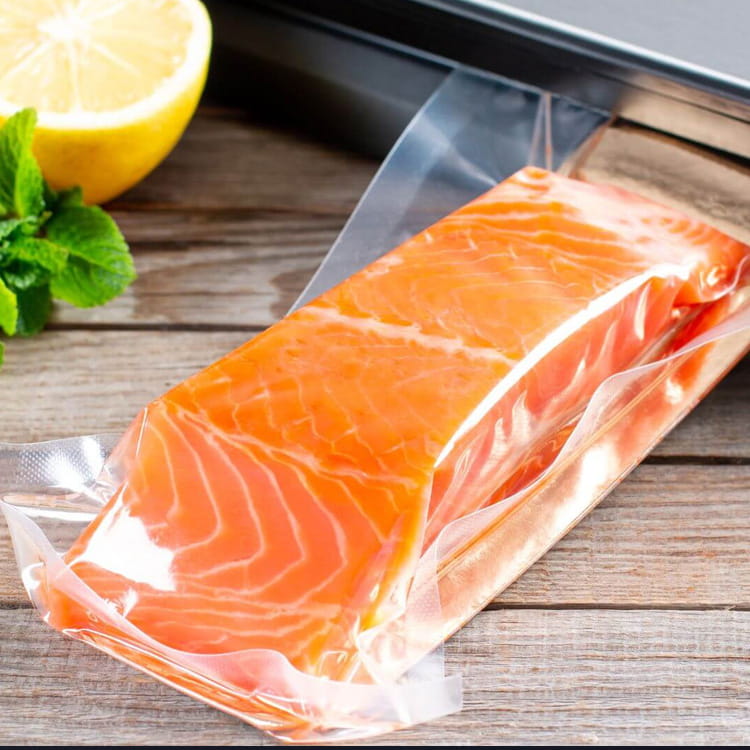
- Package Format: Vacuum packaging and aseptic processing nearly always require coextruded performance. Standard form-fill-seal may not.
- Regulatory Requirements: Pharmaceutical and medical applications typically mandate barrier performance only coextruded films reliably deliver.
- Brand Positioning: Premium market positioning often justifies—and even requires—coextruded film performance as part of the value proposition.
Economic Justification Matrix
Use this simplified matrix to assess economic viability of coextruded films for your application:
- Green Light (Strongly Justified): Shelf life >12 weeks, product value >$3 per unit, supply chain >6 weeks, regulatory requirements present, or brand premium positioning critical.
- Yellow Light (Consider Carefully): Shelf life 6-12 weeks, product value $1-3 per unit, supply chain 2-6 weeks, potential quality or waste reduction benefits.
- Red Light (Difficult to Justify): Shelf life <6 weeks, commodity product <$1 value, local supply chain <2 weeks, no waste or quality concerns.
Emerging Innovations and Future Directions
Advanced Barrier Technologies
The packaging industry continues advancing coextrusion capabilities. New barrier materials offering oxygen transmission rates below 0.5 cc/m2/day are emerging, enabling shelf life extensions to 24+ months even in traditionally challenging applications. These ultra-high-barrier materials typically employ ceramic nanoparticles or specialized EVOH formulations that create tortuous pathways for gas molecules, approaching theoretical barrier limits.
Sustainability-Focused Innovations
Manufacturers are developing coextruded films incorporating recycled content percentages of 30-50% while maintaining performance parity with virgin-material films. Mechanical and chemical recycling advances increasingly enable circular economy approaches where multi-layer structures can be recovered and reprocessed rather than discarded.
Functional Layer Additives
Emerging innovations add functional capabilities to coextruded films without increasing layer count. Antimicrobial additives, oxidation scavengers, and ethylene-absorbing compounds can be incorporated into dedicated layers, extending product freshness and reducing spoilage mechanisms that oxygen barrier alone cannot address.
Smart Packaging Integration
Coextruded film structures provide excellent platforms for integrating smart packaging technologies—time-temperature indicators, gas permeability sensors, and freshness indicators. The inherent performance consistency of coextruded films enables reliable sensor calibration and predictable response to environmental conditions.
Frequently Asked Questions
Q1: What is the primary advantage of PA/PE coextruded films over conventional films?
The primary advantage is superior barrier performance. PA/PE coextruded films reduce oxygen transmission rates by 50-80% and water vapor transmission rates by 60-75% compared to conventional films. This enhanced barrier extends product shelf life significantly, reducing spoilage and waste while enabling access to premium market channels requiring extended shelf-stable products.
Q2: Are coextruded films recyclable?
Mechanical recycling of multi-layer coextruded films presents challenges because mixed polymer layers complicate processing in conventional recycling streams. However, emerging chemical recycling technologies designed for multi-layer films are enabling increasingly practical recycling pathways. Additionally, the extended product shelf life provided by coextruded films often reduces overall packaging material usage by extending product lifecycles.
Q3: How much more expensive are coextruded films compared to conventional films?
Material costs for coextruded films typically run 25-45% higher than conventional films. However, this premium is often rapidly offset by reduced product spoilage, improved conversion efficiency, and access to higher-margin market segments. For many applications, the total cost of ownership favors coextruded films despite higher initial material costs.
Q4: Can conventional equipment seal coextruded films?
Yes, coextruded films are designed to run on standard form-fill-seal and pouch-making equipment. Their seal layer is specifically engineered to be compatible with conventional heat-sealing temperatures and processes. In some cases, coextruded films actually improve sealing efficiency by enabling lower seal temperatures and more consistent seal quality compared to conventional alternatives.
Q5: What film thickness ranges are typical for coextruded applications?
Coextruded tubular films typically range from 40 microns to 150 microns depending on application requirements. Food packaging applications commonly use 60-120 micron thicknesses, while vacuum and specialized applications may employ 80-150 micron gauges to maximize puncture resistance and durability.
Q6: How does humidity affect the barrier performance of coextruded films?
Moisture-sensitive barrier materials like EVOH can experience reduced oxygen barrier effectiveness at high humidity levels. Modern coextruded formulations address this through layering architectures that isolate moisture-sensitive layers or incorporate water-resistant protective layers. When properly formulated, coextruded films maintain reliable barrier performance across typical ambient humidity ranges.
Q7: Can coextruded films withstand high-temperature processing applications?
Coextruded films typically withstand continuous temperatures up to 50-60°C and brief excursions to 80°C depending on formulation. For ultra-high-temperature applications requiring sustained heat exposure above 65°C, specialized polyimide or advanced barrier films may be necessary. Consult material specifications for your specific temperature requirements.
Q8: What printing options are available for coextruded films?
Coextruded films accept gravure, flexographic, and rotogravure printing via standard decorating equipment. The engineered outer layer provides excellent ink adhesion without pre-treatment in most cases. Specialty effects like metallization or high-gloss effects are also compatible with coextruded film structures.
Q9: How do coextruded films compare to aluminum laminations for barrier?
Coextruded films offer superior flexibility and formability compared to aluminum laminates while achieving comparable—or in some cases superior—barrier properties depending on formulation. Coextruded films also offer superior recyclability potential and don't present the puncture vulnerabilities that thin aluminum foil introduces to multilayer structures.
Q10: What quality control measures ensure consistent performance of coextruded films?
Manufacturers employ continuous on-line measurement of film properties including thickness uniformity, barrier performance, seal strength, and tensile properties. Statistical process control and frequent offline validation testing (ASTM/ISO standard test methods) confirm that production batches meet specified performance parameters throughout the production run.