

 English
 عربى
عربى


Thermoforming packaging film is a critical material in the packaging industry, widely used in food, medical, and consumer goods applications. The performance of thermoforming packaging film depends on several production parameters, among which thermoforming speed plays a pivotal role. Understanding how speed influences film quality helps manufacturers optimize production efficiency while maintaining product integrity.
Understanding Thermoforming Packaging Film
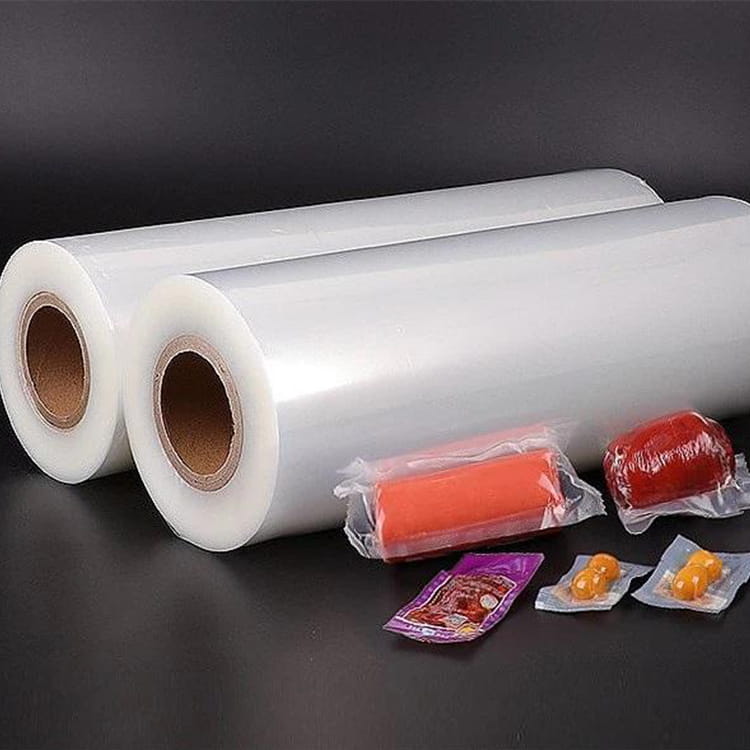
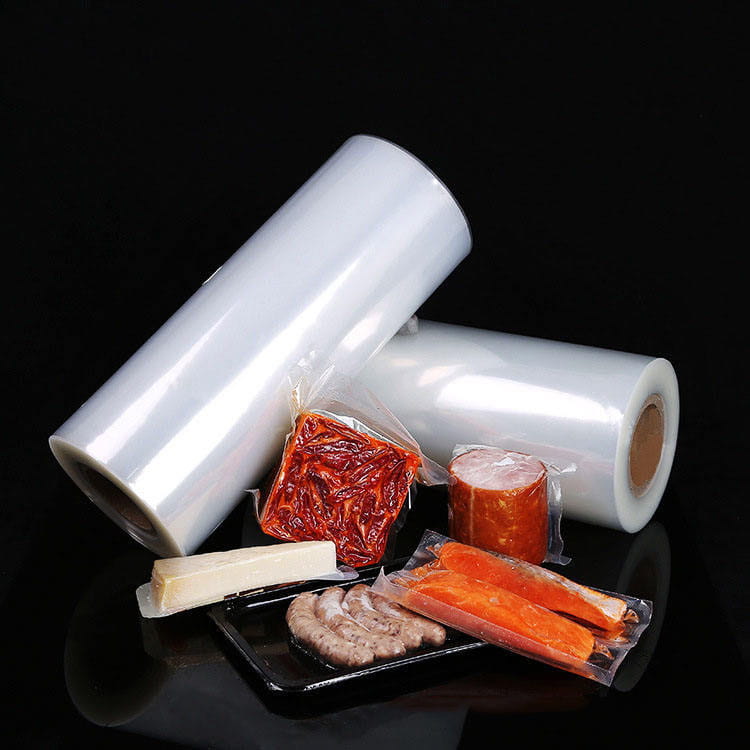
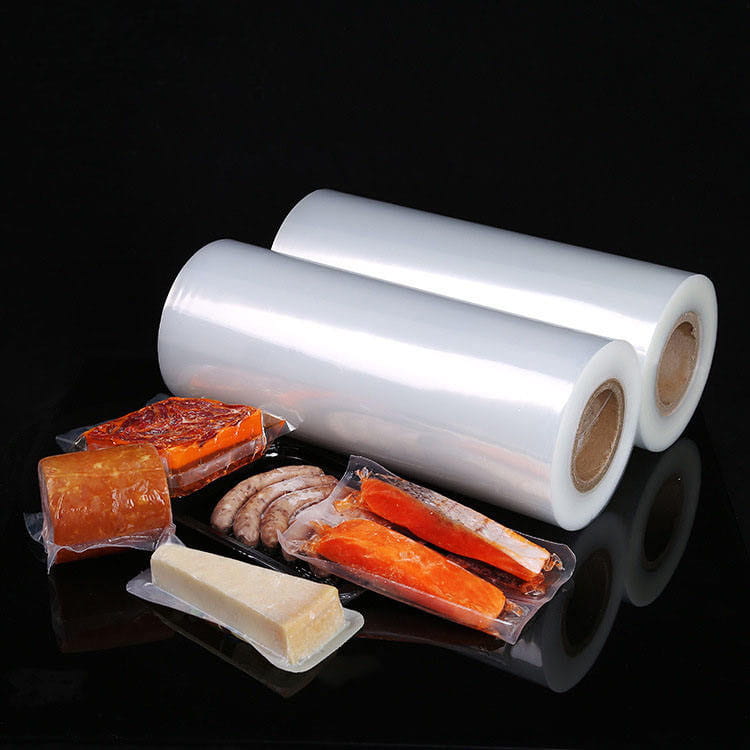
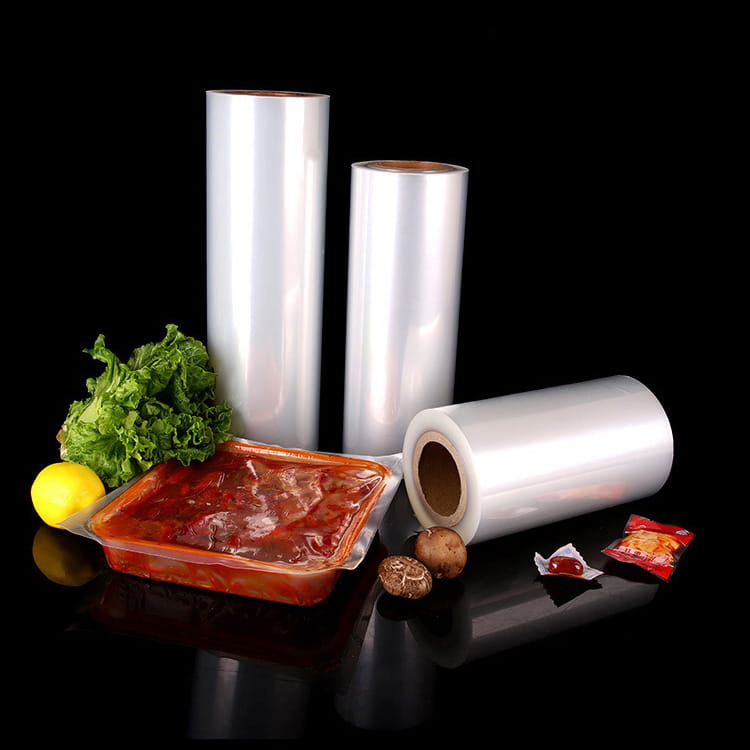
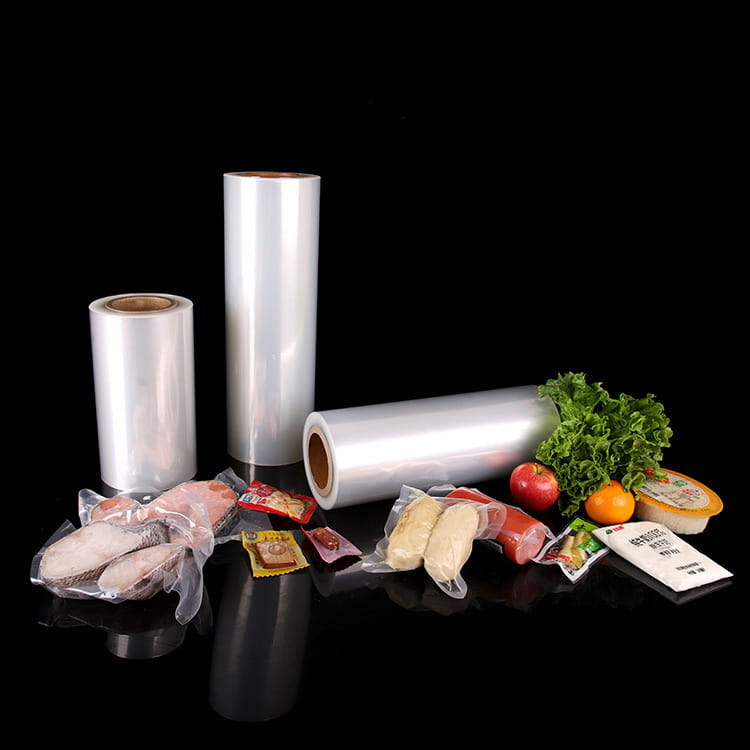
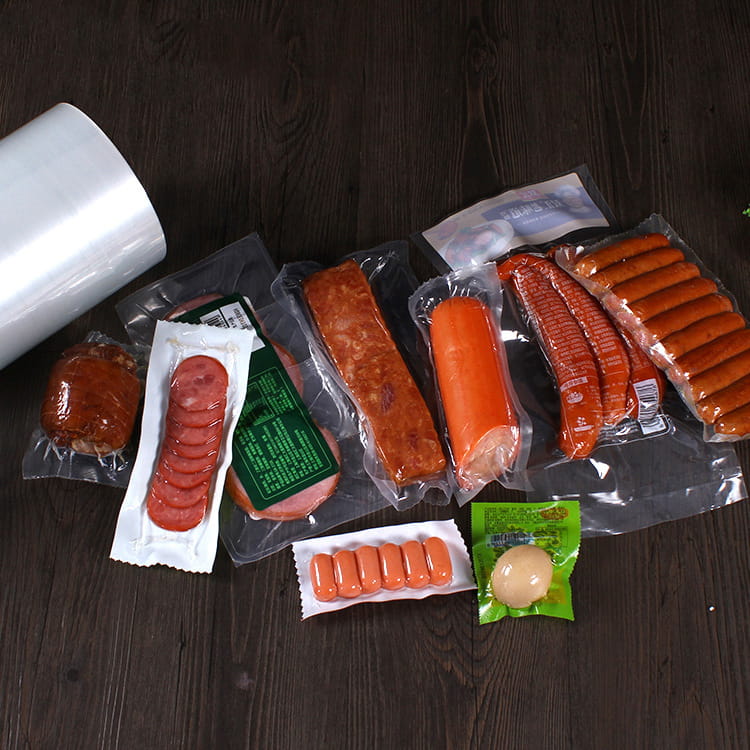
Thermoforming packaging film is a type of plastic film designed to be heated, formed into specific shapes, and cooled to retain those shapes. It is typically made from polymers such as PET, PP, or PS, and can be mono-layer or multi-layered depending on the required barrier properties. Thermoforming packaging film is valued for its versatility, clarity, and ability to protect contents while maintaining a visually appealing presentation.
The quality of thermoformed products is influenced by multiple factors, including film thickness, material composition, temperature control, and importantly, thermoforming speed. Each of these factors interacts with one another to determine the final product’s strength, transparency, and barrier effectiveness.
The Role of Thermoforming Speed
Thermoforming speed refers to the rate at which the film moves through the heating and forming stages of the thermoforming machine. It is a critical production parameter because it directly affects the film’s ability to stretch, conform to molds, and maintain structural integrity. Improper speed settings can result in defects such as thinning, warping, or incomplete forming.
Influence on Film Thickness and Uniformity
One of the most immediate impacts of thermoforming speed is on film thickness uniformity. When the speed is too high, the film may not have sufficient time to heat evenly, causing uneven stretching and areas of variable thickness. Conversely, very low speeds may allow the film to sag or overheat, leading to unwanted stretching and weak spots. Maintaining an optimal speed ensures that the thermoforming packaging film retains a consistent thickness, which is crucial for both mechanical strength and barrier properties.
Impact on Clarity and Surface Quality
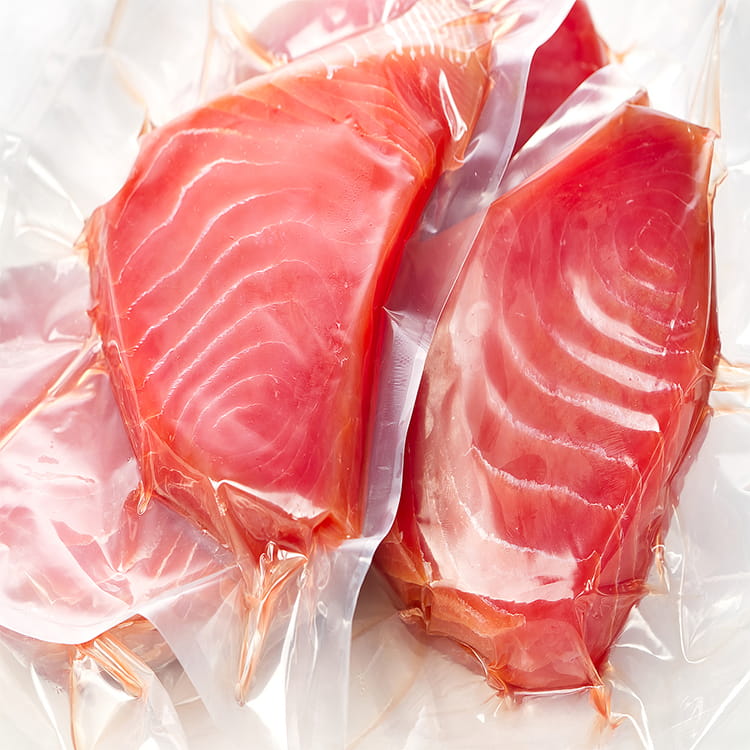
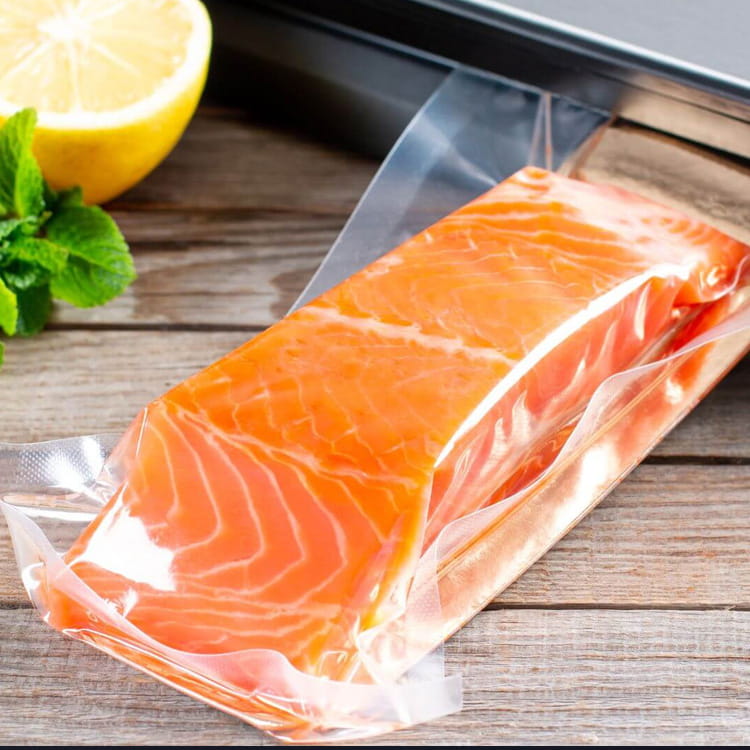
Surface appearance is another important quality aspect affected by thermoforming speed. Rapid forming can lead to surface imperfections such as wrinkles, haze, or streaks, particularly in films that are highly transparent. Slower speeds, when controlled properly, allow the polymer chains to orient more evenly, resulting in smooth surfaces with high optical clarity. For applications where product visibility is important, such as fresh food trays, controlling thermoforming speed is essential to achieve a professional finish.
Effects on Mechanical Strength
The mechanical properties of thermoforming packaging film, including tensile strength and puncture resistance, are also influenced by speed. High-speed forming can create localized stress points, which may reduce the overall durability of the package. On the other hand, too slow a speed may reduce productivity without significant improvements in strength. The optimal speed balances mechanical integrity with production efficiency, ensuring that thermoforming packaging film meets both performance and operational requirements.
Considerations for Barrier Properties
For applications requiring moisture, oxygen, or aroma barriers, thermoforming packaging film must maintain uniform thickness and consistent layer distribution. Speed variations can lead to areas where the barrier layer is compromised, affecting the shelf life of food or medical products. Manufacturers must carefully calibrate thermoforming speed to preserve barrier effectiveness, particularly in multi-layer films where each layer contributes to overall performance.
Optimizing Thermoforming Speed
Optimizing speed involves considering multiple interrelated factors:
- Material type: Different polymers have varying heat absorption rates and stretch characteristics. PET and PP films, for instance, respond differently to high-speed forming.
- Film thickness: Thicker films may require slower speeds to allow even heating, while thinner films can tolerate faster speeds.
- Forming method: Vacuum forming, pressure forming, or plug-assist forming each have unique speed requirements to ensure complete mold conformity.
- Machine capabilities: Modern thermoforming equipment often includes variable speed controls and heating zones to optimize performance without sacrificing throughput.
Manufacturers often perform trial runs and use visual and mechanical inspections to identify the speed range that delivers consistent quality. Incorporating inline monitoring systems, such as thickness gauges and surface inspection cameras, can further enhance control over the thermoforming process.
Implications for Buyers and Industry Professionals
For buyers of thermoforming packaging film, understanding the relationship between thermoforming speed and film quality is essential when specifying materials and machines. Selecting a film compatible with high-speed forming can improve production efficiency, reduce waste, and maintain consistent product quality. Buyers should consider:
- Compatibility with forming machinery: Films must match the speed capabilities of existing equipment.
- End-use requirements: High-clarity or high-barrier films may require more controlled speeds.
- Production scale: Large-scale operations benefit from films designed to tolerate faster forming without compromising strength or appearance.
Table: Relationship between Thermoforming Speed and Film Quality
| Thermoforming Speed | Effects on Film | Recommendations |
|---|---|---|
| Too high | Uneven thickness, surface defects, reduced strength | Reduce speed, adjust heating zones |
| Optimal | Uniform thickness, smooth surface, maintained barrier properties | Maintain consistent machine settings |
| Too low | Potential sagging, low productivity, possible overheating | Increase speed within safe material limits |
Common Challenges and Mitigation Strategies
Even with careful control, challenges can arise in managing thermoforming speed:
- Wrinkling and warping: Occur when speed exceeds the material’s stretching capacity. Mitigation includes pre-heating films and using plug-assist forming.
- Inconsistent thickness: Can be addressed by adjusting mold depth and forming pressure in conjunction with speed control.
- Surface defects: May require optimized temperature profiles and slower initial heating before full forming.
By systematically addressing these factors, manufacturers can ensure high-quality thermoforming packaging film that meets customer and regulatory requirements.
Future Trends in Thermoforming Speed Management
Advancements in thermoforming technology are providing better tools to optimize speed without compromising quality. Innovations include:
- Intelligent control systems that adjust speed and temperature in real-time based on material feedback.
- High-performance polymers engineered to withstand higher forming speeds while maintaining clarity and strength.
- Automated inspection systems that detect minor defects and feed corrections back into the forming process.
These developments allow for higher productivity, reduced material waste, and consistent quality across large production volumes.